Panthera pardus orientalis

Amur leopard

Order: Carnivora / Family: Felidae / Genus: Panthera

What is a panther?

The panther is a medium-sized feline, measuring between 1.8 and 2 meters long, and can weigh up to 90 kilograms. The legs are rather short and thick, and the body continues into a long tail. The coloration varies from pale yellow to reddish yellow punctuated with dark spots. Some individuals even have an almost entirely black coat. In reality, there is a great variation in size, weight, and color in this species due to its vast geographic range. Generally, panthers are more robust in Africa than in Asia.

It is important to specify that this species, Panthera pardus, has historically been subdivided into 9 subspecies, each of which occupies a specific range:

  • P. pardus pardus, the African leopard that inhabits Africa
  • P. pardus nimr, the Arabian leopard in Arabia
  • P. pardus saxicolor, the Persian leopard in Central Asia
  • P. pardus melas, the Javan leopard on the island of Java
  • P. pardus kotiya, the Ceylon leopard in Sri Lanka
  • P. pardus fusca, the Indian leopard in India
  • P. pardus delacouri, the Indochinese leopard in Southeast Asia
  • P. pardus japonensis, the North China leopard in northern China
  • P. pardus orientalis, the Amur leopard in the Amur region

However, new studies based on genetics propose only 8 subspecies:

  • Panthera pardus pardus
  • Panthera pardus tulliana, which includes P.p. cicsaucasica and P.p. saxicolor
  • Panthera pardus fusca
  • Panthera pardus kotiya
  • Panthera pardus delacouri
  • Panthera pardus orientalis, which includes P.p. japonensis
  • Panthera pardus melas
  • Panthera pardus nimr

The spotted coat with ocelli shows different colors depending on the subspecies, reflecting adaptation to a specific environment. However, in all cases, the black panther is not a full subspecies of panther.

Weight

25-50 kg

Habitat

Coniferous and deciduous forests

Diet

Carnivore

Gestation

90 -109 days

Longevity

12-17 years

Longevity

12-17 years

Location

Forests of southern Primorsky Krai in Russia and provinces of Jilin and Heilongjiang in eastern China
Frequently Asked Questions

Where does the leopard live?

When we talk about a panther, or ‘leopard’ in English, we are referring to a feline species that lives in various environments such as forests, grassy savannahs, mountains, and deserts throughout Africa and Asia.

Behavior

Panthers are primarily nocturnal and solitary animals. Being territorial, they mark their territory with olfactory signs such as urine or their excrement, and visual marks like claw scratches on various surfaces. Communication is achieved through numerous vocalizations such as growls, roars, and even purring.

Contrary to popular belief, they are animals that swim very well. They can run at speeds of over 60 km/h and can leap nearly 6 meters long and 3 meters high.

They have excellent eyesight and very good hearing.

What does she eat?

Panthers are strict carnivores who get most of their water needs from their prey. They prefer to hunt at night, but some subspecies have also been observed hunting during the day in environments where vegetation is denser.

They hunt by stalking, which involves approaching the prey as quietly as possible to pounce on it before it has a chance to escape. If, however, the panther must chase its prey, its powerful legs allow it to reach almost 60 km/h to catch up.

Once the prey is captured, the panther bites the prey’s neck in order to break it and paralyze it.

Next, it bites the muzzle to suffocate it. To enjoy its meal in peace, most panthers take refuge in the safety of the treetops. This helps prevent their meal from being stolen by other big carnivores like lions or hyenas, for example.

The panther is an opportunistic hunter, and as such, has one of the most varied diets among large carnivores. Scientists have observed a sub-Saharan African panther hunting nearly 92 different prey species. This range of prey includes antelope or deer as well as smaller prey such as birds, reptiles, or small rodents.

It has even been observed that panthers living near cities or villages enjoyed hunting domestic animals such as dogs, cats, or even sheep.

But generally, panthers favor prey between 10 and 40 kg.

Reproduction strategy

For panthers, reproduction occurs throughout the year. Depending on its geographic distribution, a peak is observed during the rainy season in May. The estrus lasts for 7 days and recurs every 46 days. Both males and females may have multiple partners.

Every panther has a territory; those of the females are smaller and are partially overlapping with those of the males. When a male and a female meet, they stay together for several days during which they can mate up to a hundred times per day. After about 3 months of gestation, the female gives birth to a litter of 2 to 3 cubs that weigh less than 1 kg and still have their eyes closed for a week.

The first weeks after birth are particularly delicate regarding the survival of the cubs. The female must continue to feed herself while keeping her cubs, who are still too vulnerable, safe from predators. She then regularly moves her cubs, using large bushes, hollows in trees or crevices in rock faces as hiding spots.

After 6 to 8 weeks, the young panthers start to venture outside the den and begin eating meat. They are weaned at 3 months and become independent at around a year and a half old. The survival rate of the young is about 50%.

Sexual maturity occurs during the second year of life. The life expectancy is 10–12 years in the wild and 21–23 years in captivity.

What are its predators?

The biggest predator of the panther is humans. However, other large carnivores present in its habitat, such as hyenas, lions or even wild dogs, can attack panther cubs by following the mother to the place where she hides her young. In other cases, such as during territorial conflict, an adult panther can be killed by these other species.

What threatens it?

Of the 9 subspecies of panthers, 5 are considered “endangered” or “critically endangered.” Depending on the region, the panther is hunted for pleasure (trophy hunting), its skin, as well as other body parts for traditional Asian medicine.

Although the panther adapts easily to various habitats, the destruction and fragmentation of its environment is intensifying. Multiple habitats are being destroyed for agriculture, leading to a reduction in prey populations. This then causes conflict between humans and panthers, with panthers attacking the livestock of shepherds, who in some countries have permission to kill them on sight. As a result, some panther populations, already too fragmented, struggle to survive in the long term.

Today, several countries have already abolished panther hunting and many reserves and national parks exist throughout much of its range. Unfortunately, far too many individuals still live outside these zones, not always allowing for effective protection of this species. Additionally, actions such as partnerships with textile companies to replace the fur of these animals with fake furs for traditional ceremonies have been put in place.

Furthermore, in 2007, a program to reintroduce the panther in the greater Caucasus was launched in Sochi National Park (Russia), leading to the reintroduction of 3 Persian panthers.

Regarding the Amur leopard...

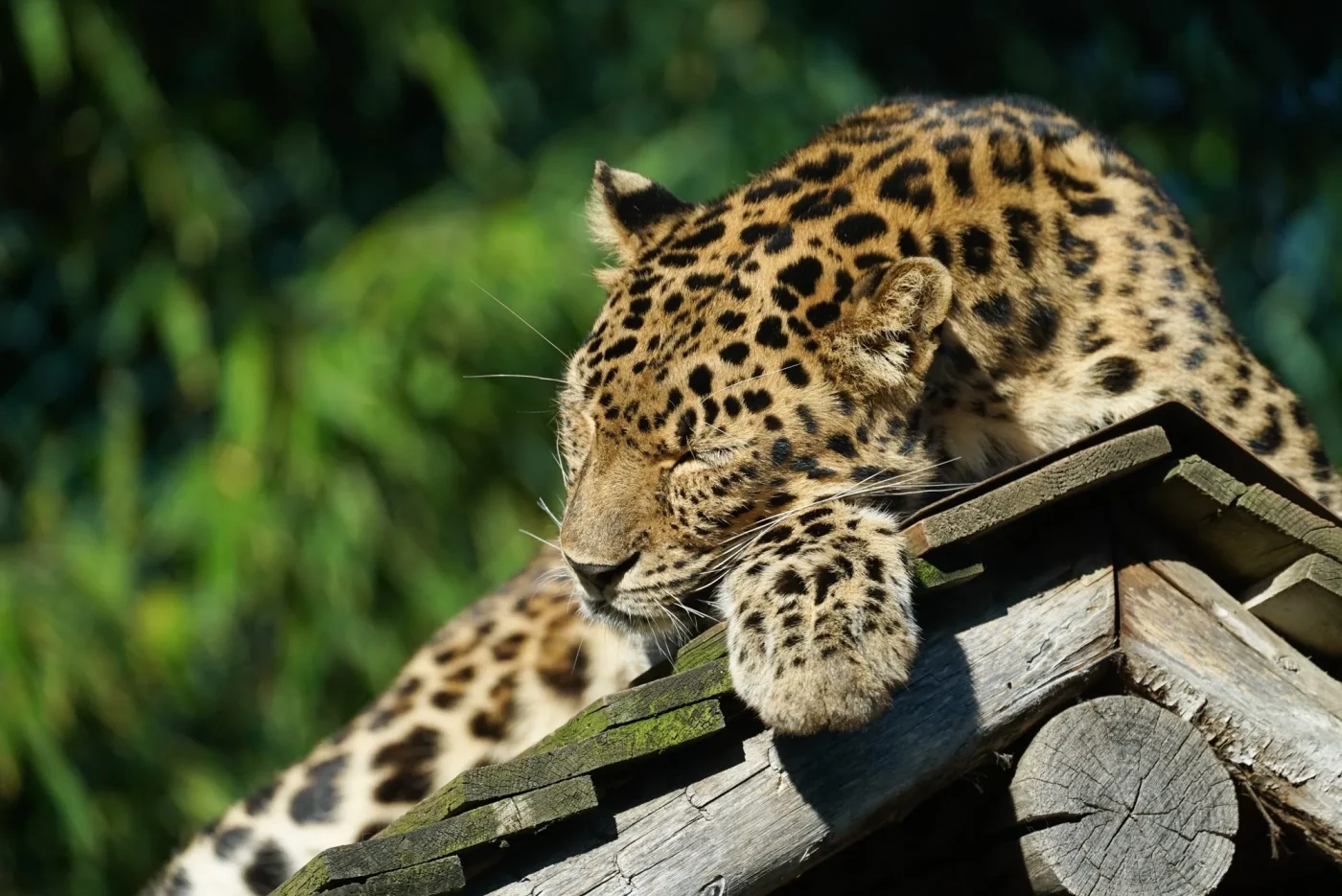
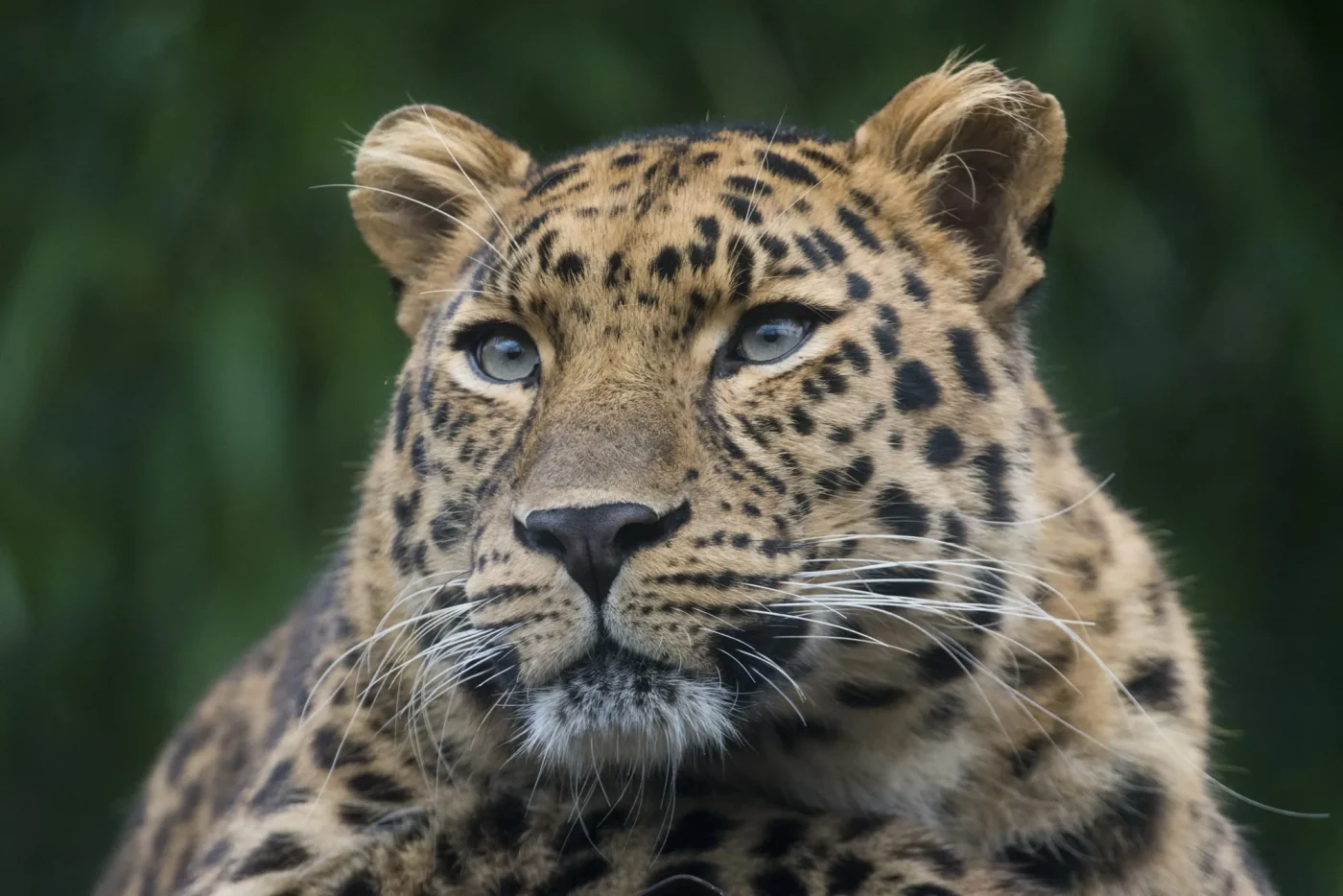
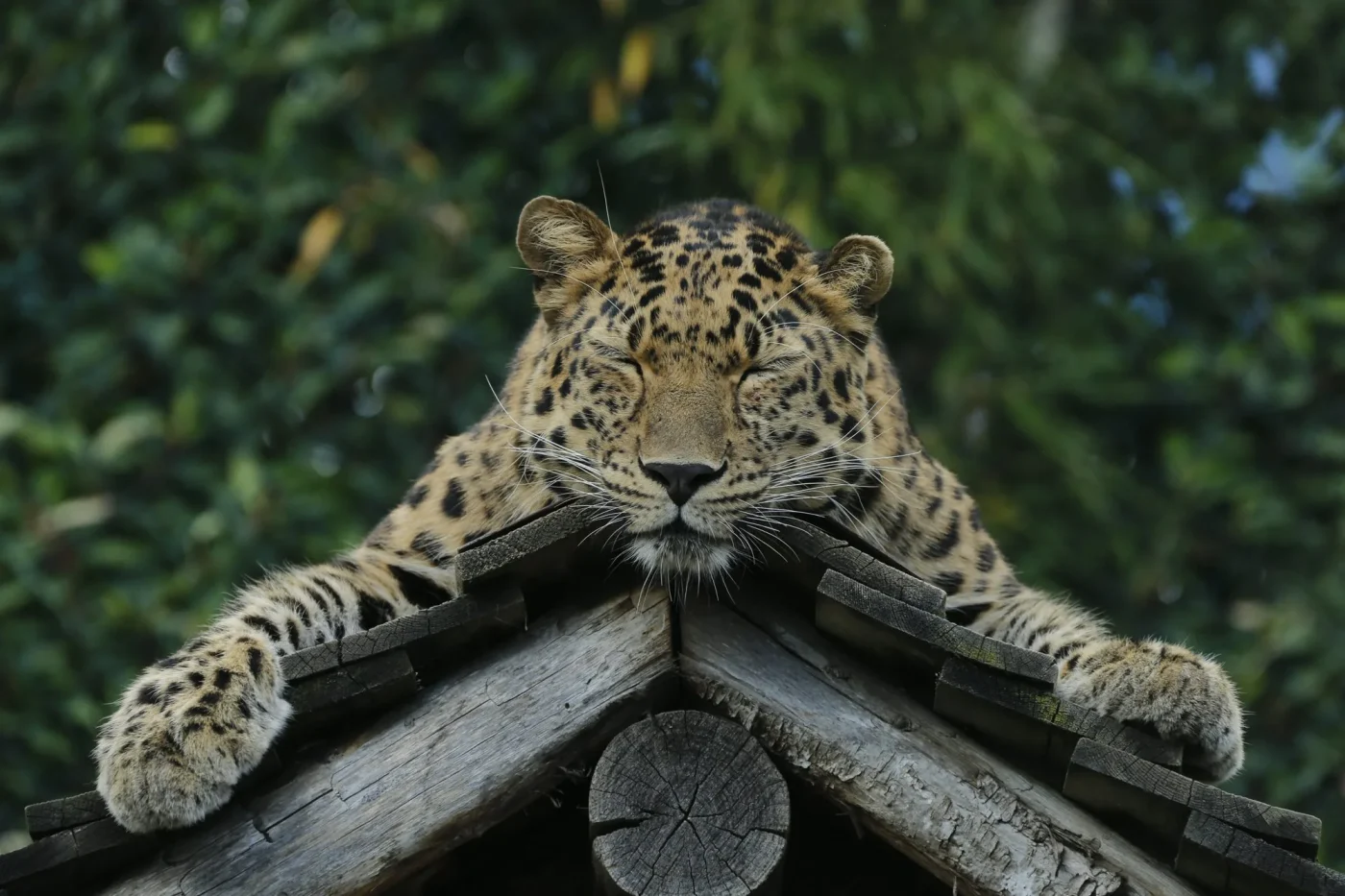
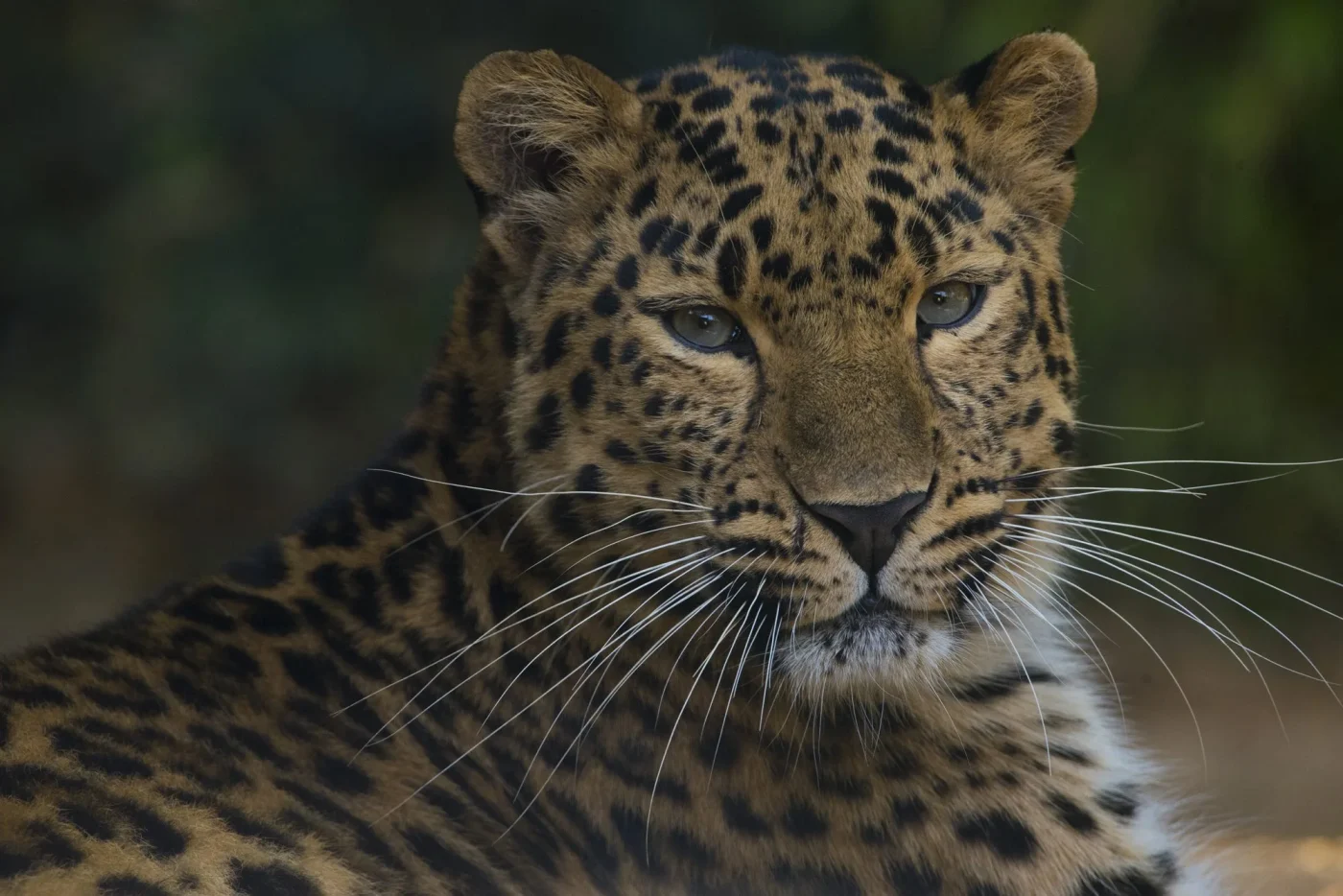
This panther is distinguished from other panther subspecies by its lighter fur, which turns reddish in summer, and its large, widely-spaced rosettes.

It is smaller than the African panther subspecies but has long legs, which would allow it to move more easily in the snow.

The Amur leopard, also called the Chinese leopard, inhabits the forests of southern Primorsky Krai in Russia and the Jilin and Heilongjiang provinces in eastern China. It owes its name to its range, which borders the Amur River.

This solitary panther is crepuscular, setting out to hunt at dusk. Strictly carnivorous, it hunts a wide range of prey: deer, roe deer, wild boar, hares, and badgers. Patient, it waits and observes its prey in order to ambush it. Once the time is right, it springs at over 56 km/h and leaps onto its prey thanks to jumps that can reach 3 meters in height and 6 meters in length.

The female makes a den in a cave where 1 to 5 cubs are born, measuring about 15 centimeters and weighing around 600 grams. At birth they are blind but already covered in spotted fur. The young stay with their mother for 2 years to learn hunting techniques and the survival skills they need. Amur leopards reach sexual maturity at about 3 years old.

The Amur leopard is one of the most endangered and rarest big cats on the planet. Their population is estimated at about 50 individuals: 7 to 12 in China and between 20 and 25 in Russia. The risks of inbreeding are also very worrying given the very low number of individuals. Breeding among inbred individuals can cause genetic disease and reduced fertility. Studies have shown the average number of cubs per female dropped from 1.9 in 1973 to 1 in 1991. It also suffers from the destruction of its habitat. It is estimated that deforestation for logging, agriculture, and urbanization has already destroyed 90% of its range. Unfortunately, this loss of territory has been accompanied by a drastic decrease in the available prey. It is then forced to venture into farms in search of livestock. This leads to conflicts with farmers, who do not hesitate to shoot them. Being close to domestic animals brings new diseases, such as distemper, posing an additional threat to this feline. To make matters worse, this panther is a victim of poaching for its magnificent pelt and for Chinese medicine.

Other animals to discover