Procyon lotor

Raccoon

Order: Carnivora / Family: Procyonidae / Genus: Procyon

What is a raccoon?

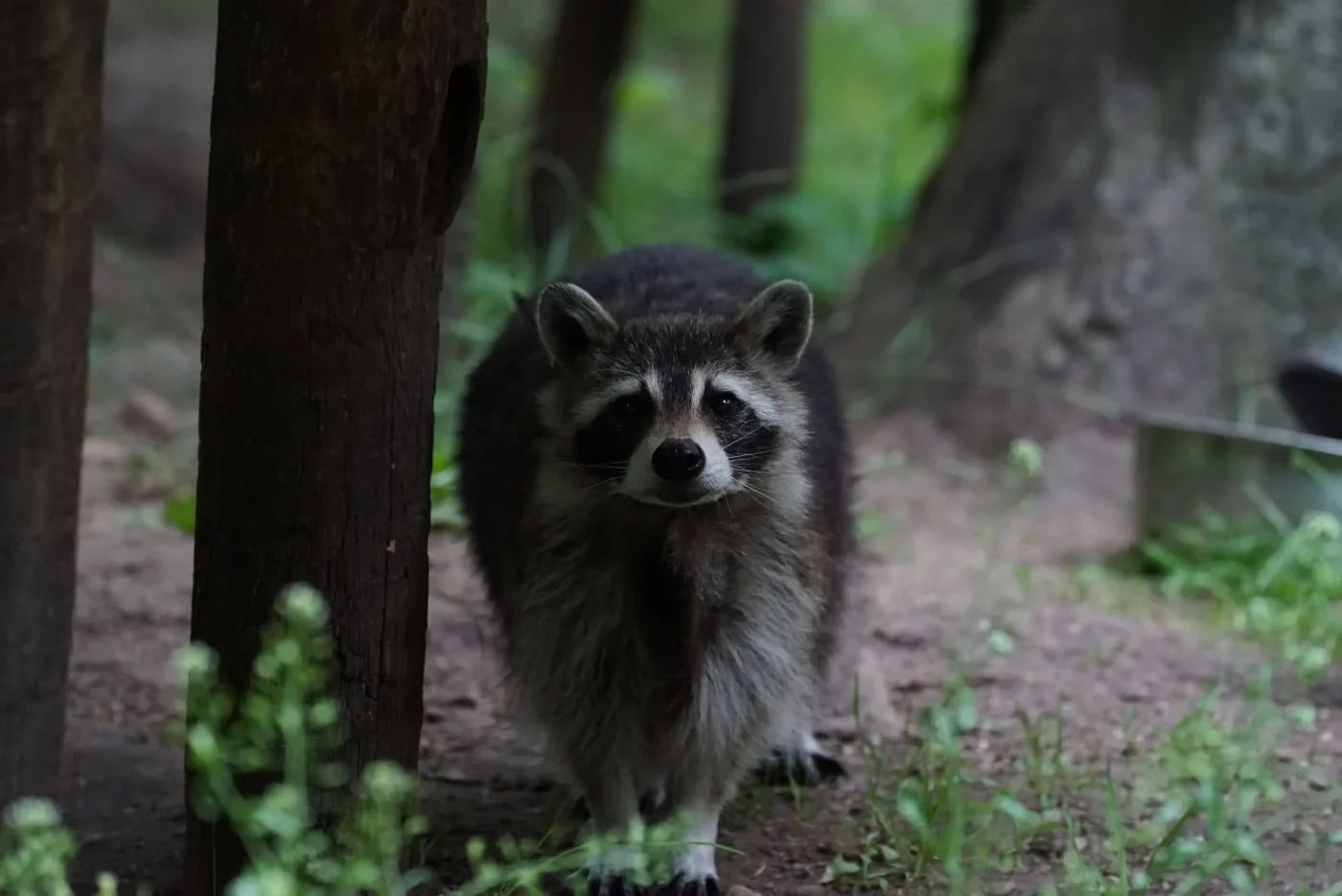
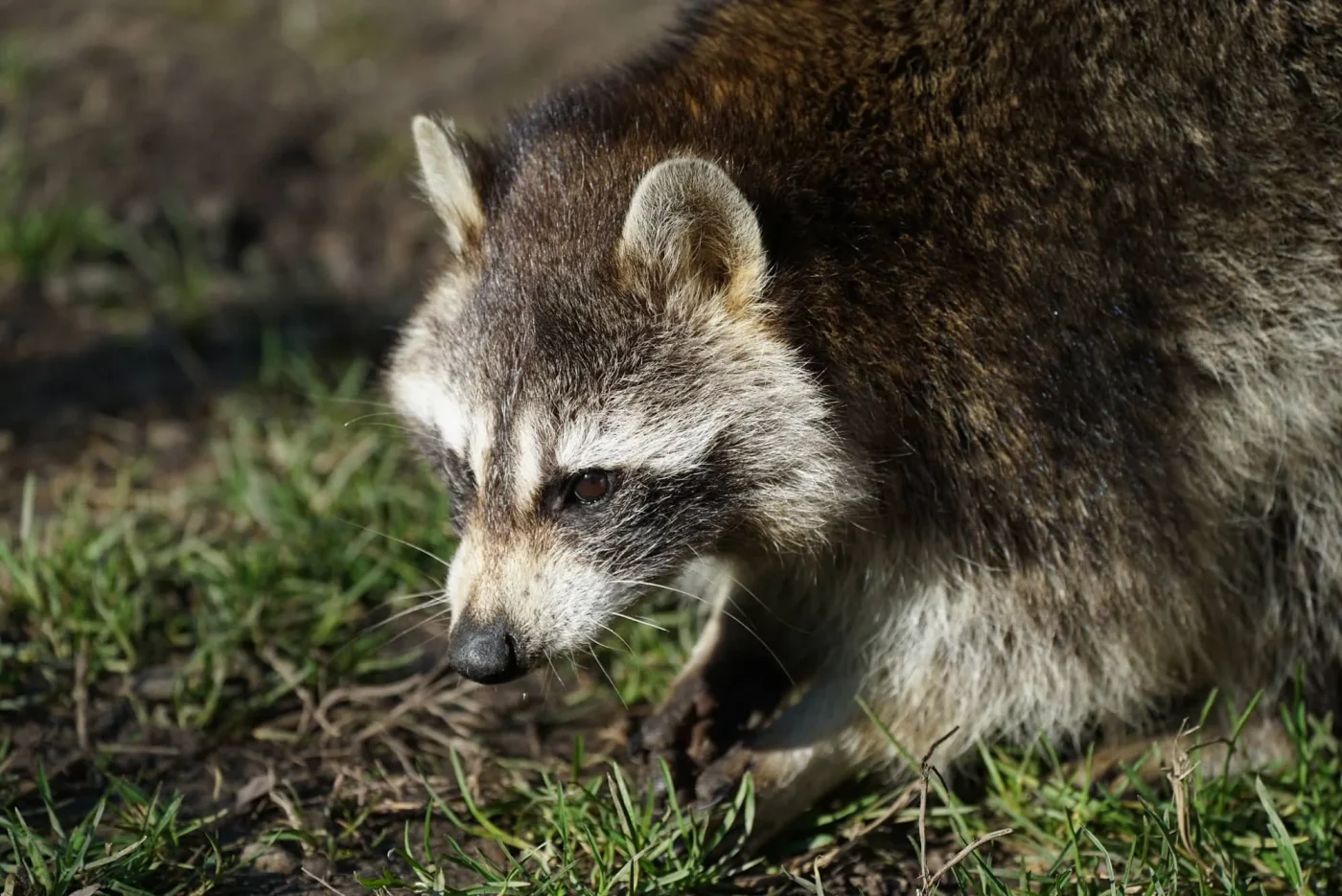
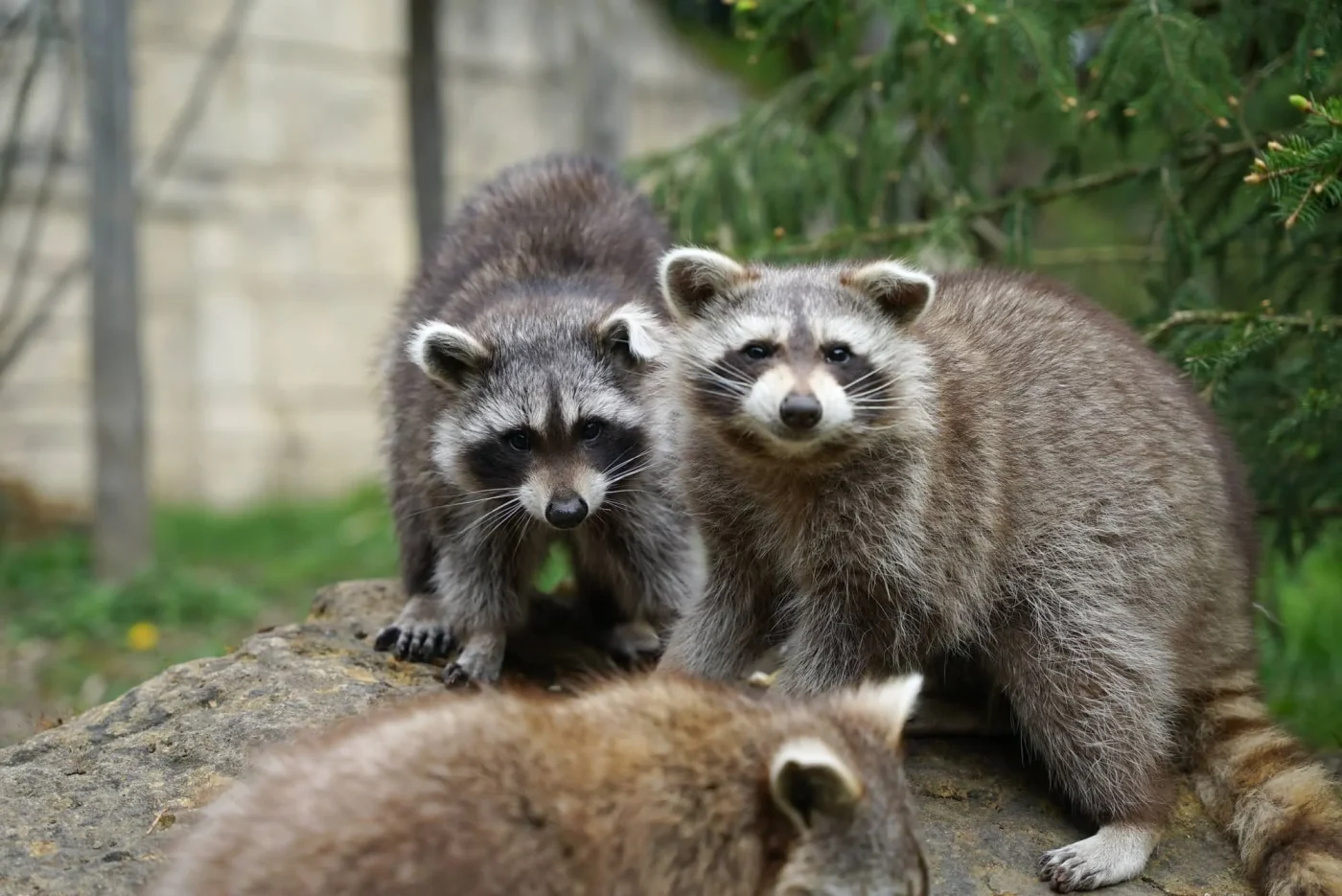
The raccoon, or procyon lotor, is easily recognized thanks to its black mask around the eyes and a line of white fur above the eyebrows. Its black mask is thought to reduce glare for better night vision. Its fur varies from brown to gray depending on the habitat it occupies, whether in France or in America.

It is a stocky animal, its weight varies between 1.8 and 10 kg depending on their geographical distribution and access to food. Individuals from the North are larger than those from the South, which live in a nearly tropical climate. The male is 10 to 30% heavier than the females. A cousin of the coati, its tail is shorter and measures between 19 and 40 cm. It has 4 to 10 black rings, characteristic of species of American wildlife.

It has non-retractable claws, giving it good grip. Its paws can rotate up to 180 degrees, making it an excellent climber. The paws have five fingers and look like primate hands. However, they do not have an opposable thumb. Nonetheless, raccoons show incredible dexterity, allowing them to access food sources unavailable to other animals. This remarkable mammal is increasingly present in cities, and its adaptation to urban environments raises questions about exotic and invasive species.

Weight

1.8 to 10.4 kg

Habitat

Forest

Diet

Omnivore

Gestation

60 to 80 days

Longevity

15 to 20 years

Longevity

12-17 years

Location

North America
Frequently Asked Questions

Where does the raccoon live?

The raccoon is native to North America and Central America. It has been introduced to Europe as well as Japan.

The raccoon adapts to all types of environments as long as a water source is available. Its density is highest in marshy areas and floodplain forests. It can also be observed in urban and agricultural areas. The raccoon is accustomed to finding shelter in tree hollows, abandoned groundhog burrows, mines, as well as garages or attics.

What does it eat?

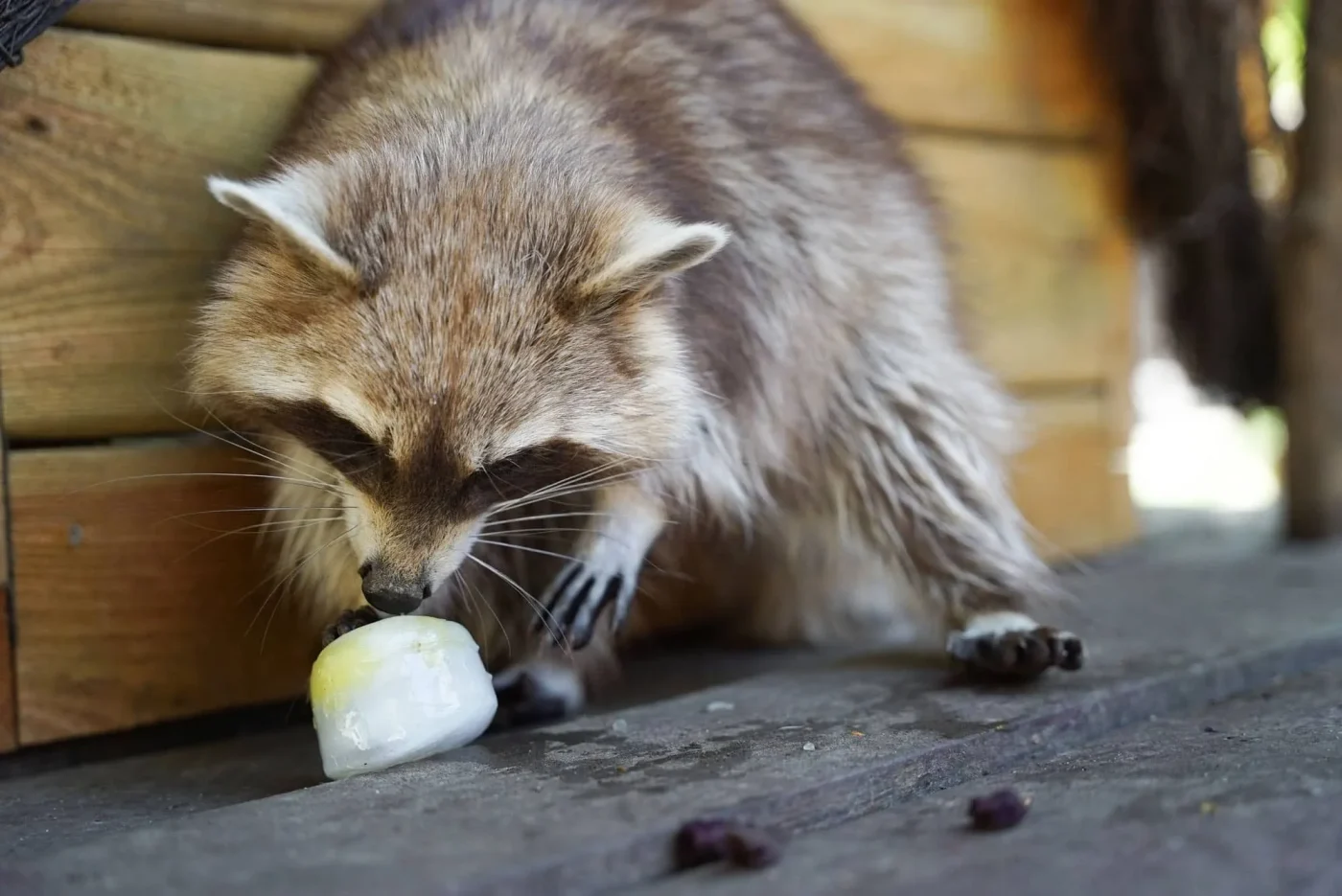
The raccoon is an opportunistic generalist omnivore; it eats whatever it finds. Its diet consists of fruits, acorns, nuts, invertebrates such as crayfish, insects, but also rodents, amphibians, fish and bird eggs. The nerve endings in its paws are more sensitive in a moist environment. It is therefore able to hunt a crayfish underwater just by touch! In urban areas, it regularly rummages through trash cans to find food.

Generalist animals are those whose evolution has allowed them to consume a very wide variety of food resources. The raccoon, for example, is a generalist. This means that it can eat all kinds of food: fruits, roots, nuts, leaves, invertebrates, eggs, amphibians or vertebrates. As a result, generalist species are able to adapt very quickly to a new environment or disturbances in their habitat.

On the other hand, specialist animals have evolved by specializing in consuming only one food resource. Therefore, they can hardly, if at all, eat anything else. Most of the time, they are the only ones to eat this food source.

Koalas, for example, are specialists in eucalyptus. In fact, they eat only eucalyptus leaves. They are almost the only animals capable of eating these particularly toxic leaves. Giraffes, on the other hand, have specialized in eating acacia leaves. Polar bears are specialists in hunting seals on the ice floes.

As a result, these are the animals that suffer first from even the slightest disruption in their environment.

Behavior

The raccoon, an animal with adorable and mischievous looks, is a member of the wildlife originating from America. Mainly nocturnal, this animal possesses highly developed senses, such as hearing, smell, and touch, which allow it to navigate its environment especially at night. Although it has good night vision, during the day, it is significantly reduced. It is nearsighted and sees poorly at a distance; in fact, it is colorblind, which makes it difficult for it to differentiate colors.

The raccoon, also known as raccoon in English, is a procyon lotor, an agile species that carefully handles its food before eating it. It was once thought that it washed its food, but in reality, this is not the case; it makes up for its poor daytime vision with its sense of touch. Some studies in captivity have even proven that it is capable of opening latches and thus has rather developed cognitive abilities.

Solitary by nature, the raccoon can nonetheless be observed in pairs for a few weeks during the breeding season. Although it does not hibernate, during cold and snowy periods, its metabolism slows down, and it sleeps for long periods, living off its fat reserves. Thus, it can lose up to 50% of its weight during these difficult times. The raccoon, with its average lifespan that extends over several years, remains a fascinating species to observe and study. It is also interesting to note that some exotic species of raccoons have been introduced in various cities in France, adding a unique touch to the local wildlife.

Who are its predators?

Due to its nocturnal lifestyle, the raccoon avoids many predators. However, it is preyed upon by coyotes, wolves, and large birds of prey. The youngest may fall victim to snakes.

Reproduction strategy

The breeding season takes place between February and June. The males expand their territory to discover potential new females. The female gives birth to 3 to 7 young after a gestation period of 63 to 65 days. The young are born blind and only open their eyes after 18 to 24 days. They spend the first winter with their mother and then separate in the spring. Sexual maturity occurs before one year in females and at 2 years in males.

What threatens it?

The raccoon is not threatened, the species is classified as “least concern” by the IUCN and its population is increasing. Hunting for sport or its fur

Other animals to discover