Panthera onca

Jaguar

Order: Carnivora / Family: Felidae / Genus: Panthera

What is a jaguar?

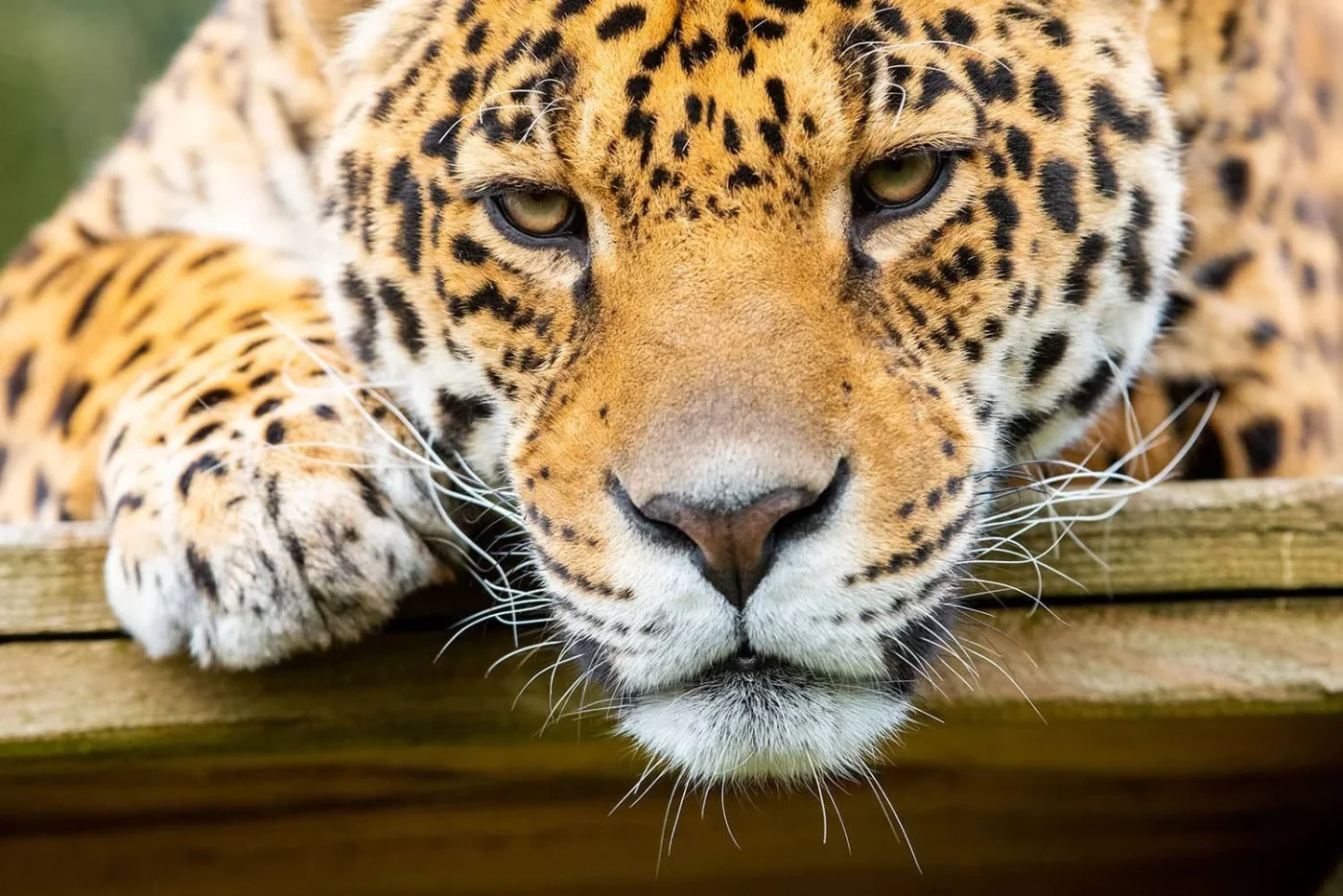
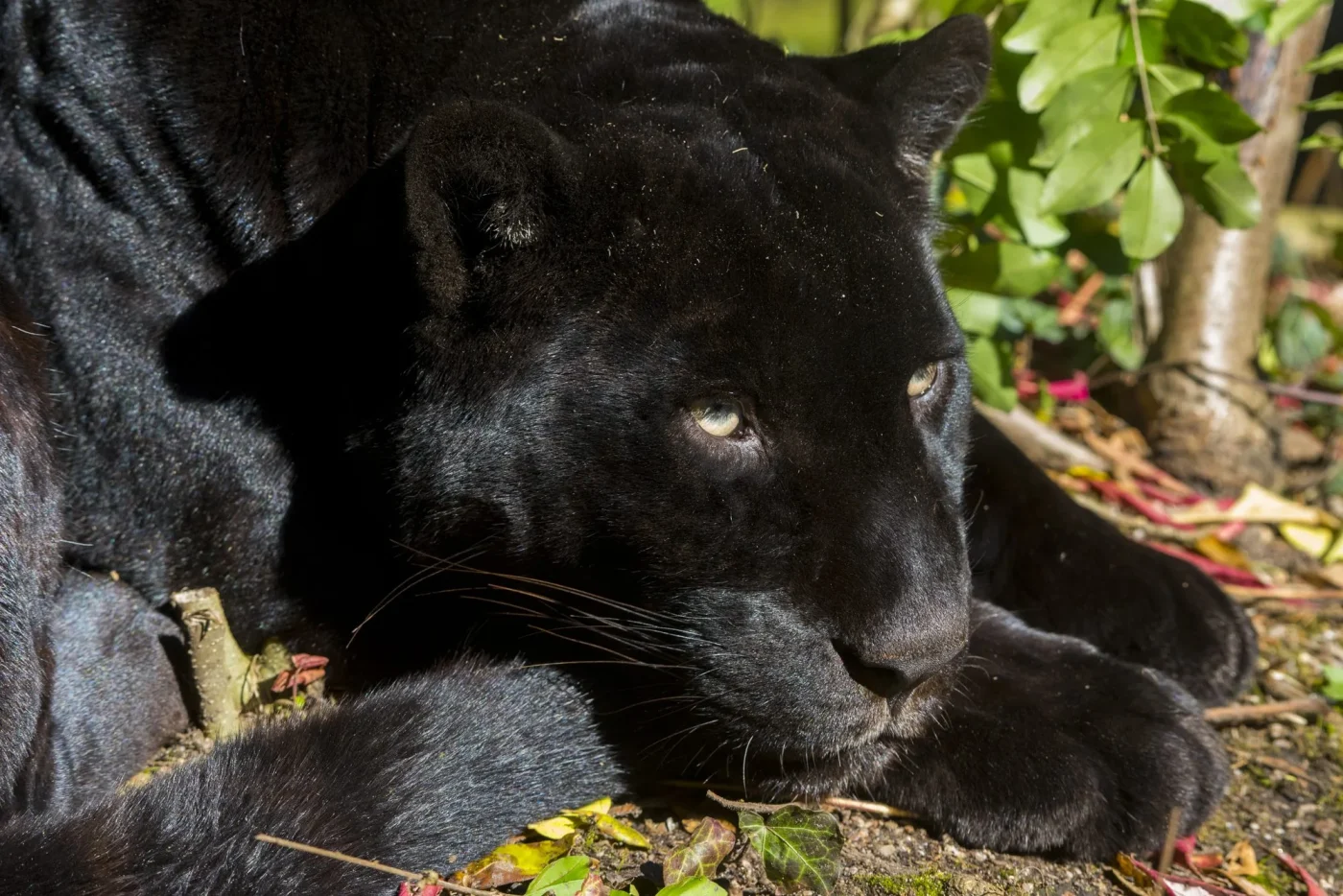
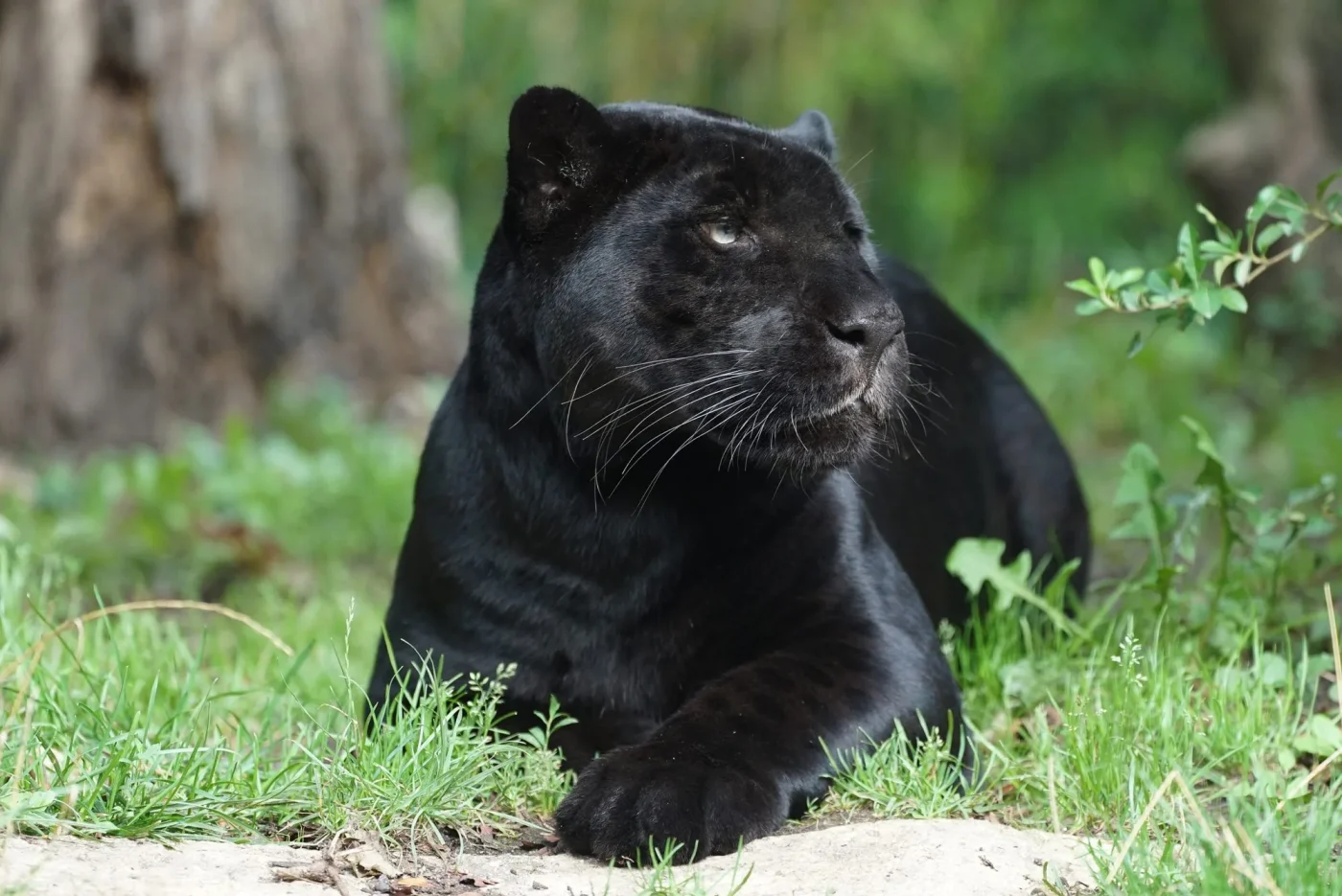
The jaguar is the largest feline in the Americas, measuring on average 75 centimeters at the shoulder for a body length of 150 to 180 centimeters with a tail averaging 80 centimeters. Its build is slender, and weight varies between 70 and 140 kilograms. It has powerful legs as well as strong jaw muscles. The top of its coat, whose main color ranges from pale yellow to copper brown, is marked with black rosettes. In fact, it is by these rosettes that one can distinguish the jaguar from the panther, with which it is often confused. The panther has empty rosettes, whereas those of jaguars are irregular and filled with several black spots. The underside is white. Among jaguars there are individuals whose coat is entirely black. This color is the result of a genetic mutation that causes an abnormally high production of melanin, the pigment responsible for cell coloration. These individuals are therefore almost black, called melanistic individuals. This trait affects 6% of the population. Despite this black color, the rosettes on its coat remain slightly visible.

In this species, the size of individuals varies according to the regions where it lives and the availability of prey. The largest jaguars are found in the Pantanal, where the biggest males can reach 100 kg. The smallest ones are seen in Honduras and do not exceed 60 kg.

Weight

70 to 130 kg

Habitat

Rainforest

Diet

Carnivore

Gestation

3 months

Longevity

15 years

Longevity

12-17 years

Location

Southern North America to South America
Frequently Asked Questions

Where does the jaguar live?

The jaguar is found across a wide geographic range that extends from southern North America to South America. It is present from New Mexico to northern Argentina. The largest area is located in the Amazon basin in the regions of the Cerrado, Pantanal, and Southern Chaco. Populations in the United States, Mexico, and the southern part of the South American continent have largely disappeared.

It is a feline that particularly favors humid forests with dense vegetation but can still be found in scrublands, thickets, and marshes, always near bodies of water. Northern populations live in oak forests. In general, it avoids arid areas and rarely exceeds 2,700 meters in altitude.

What does it eat?

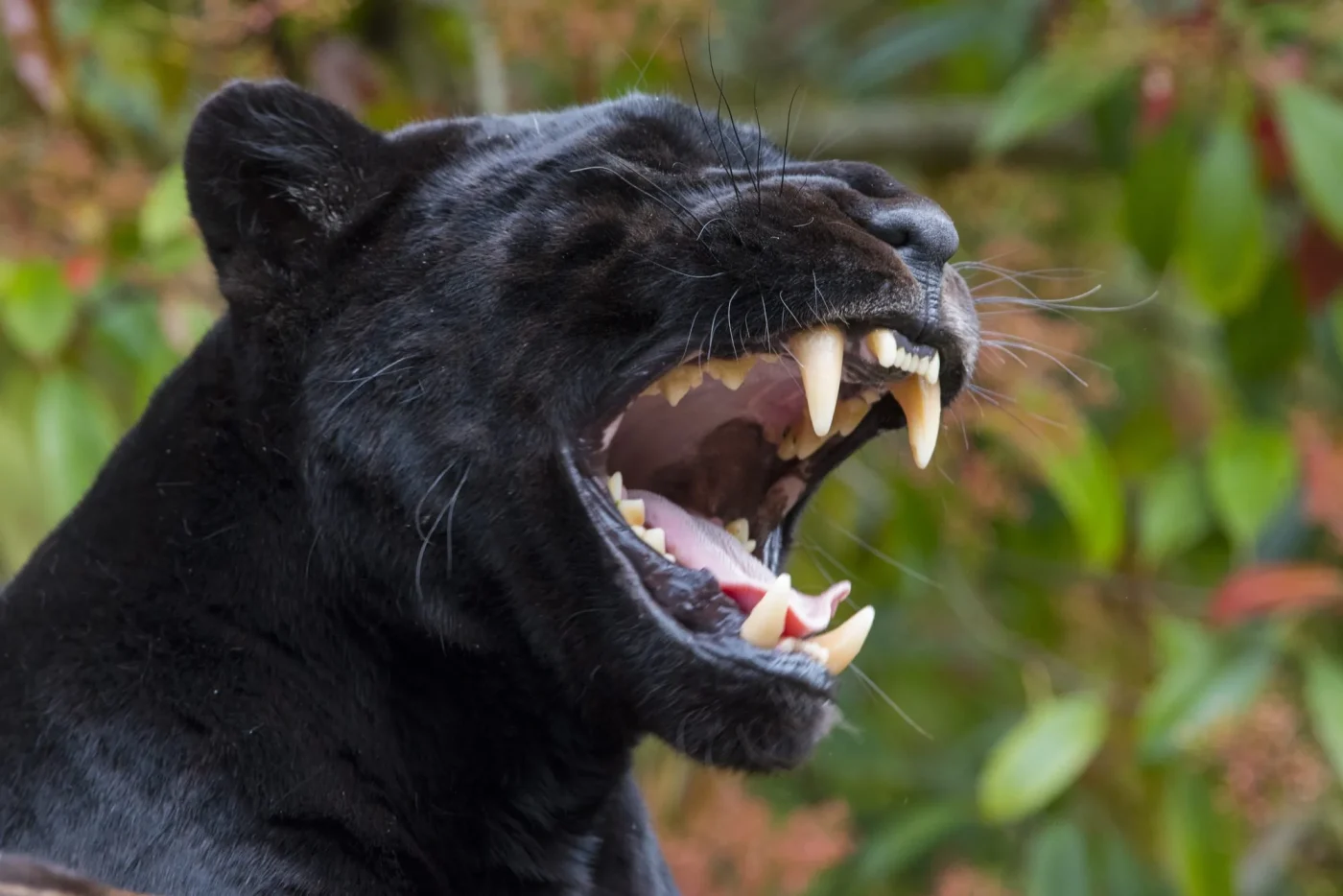
Exclusively carnivorous, it is opportunistic and feeds on whatever it finds. The jaguar has many prey; in fact, its diet consists of more than 85 different prey species: capybaras, porcupines, peccaries, tapirs, deer, ungulates, fish, birds, livestock, snakes, turtles, caimans… Its hunting technique is rather rudimentary, as the jaguar attacks its prey by leaping on them from a hidden spot. The kill can be made either by biting directly at the neck to suffocate it, or by biting the back of the skull. This second option is made possible thanks to the power of its jaws, considered the strongest among felines. Unlike many felines, the jaguar is a predator that loves water. It catches many prey directly from the water, like caimans or turtles. Its bite can pierce the thick skin of caimans and the shells of turtles. Large prey can be exploited for up to 4 days, which helps save energy.

As such, they play an important role in the ecosystem by regulating prey populations.

The jaguar has no predator other than Man.

Behavior

The jaguar is a solitary animal, mostly active at dawn and dusk, although it can be active throughout the day. It often rests during the day hidden in vegetation or under rocks.

A very good swimmer, it is capable of crossing a river several kilometers wide by swimming. The aquatic environment is essential for cooling off during hot periods.

This feline marks its territory with different indicators: scratches on trees, excrement, urine, and vocalizations. The territory covers 25 to 38 square kilometers for females and up to nearly 80 for males, which then includes 2 to 3 female territories.

Vocalization is the main mode of communication for this feline.

Reproductive strategy

Solitary animals, jaguars only come together for reproduction, which can occur all year round, even though a peak is observed between December and March. During estrus, which lasts between 6 and 17 days, females call the nearby males using powerful vocalizations. These calls are usually made in the morning or evening. The males then respond to the female and go to her territory. This regularly leads to confrontations for access to the female. After mating, the female chases the male out of her territory. After a gestation period of about one hundred days, the female gives birth to 1 to 4 cubs. At birth, their eyes are closed and remain so for 2 weeks. The cubs are weaned at around 5 to 6 months but will only become truly independent at 15 to 24 months. The mechanisms of juvenile dispersal are still not well understood, but it does not seem to be triggered by the onset of sexual maturity in the young. Females become fertile between 2 and 2 and a half years, while males only reach fertility at around 3 and a half to 4 years.

Most births take place during the rainy season, when prey density is highest.

Females reproduce only every two years, due to their involvement in caring for the young.

Threats and conservation

The IUCN lists jaguars as near threatened. Even though some populations remain stable, the species is threatened by poaching, persecution and habitat destruction.

As the Amazon rainforest is increasingly exploited, the territory of the jaguar shrinks and becomes depleted. Having more and more trouble finding prey, it attacks livestock, increasing conflict with humans. The cause is the creation of crops for soy and oil palm. The jaguar is estimated to have lost 49% of its original range. Poaching also persists for the jaguar’s skin, teeth, and bones, as well as for trophies.

To protect this species and better study it, many actions are therefore being undertaken. Awareness campaigns and education programs are launched in schools to draw locals’ attention to the jaguar’s situation. In addition, green corridors are established between protected areas to allow jaguars to move from one region to another.

Other animals to discover