Description
n
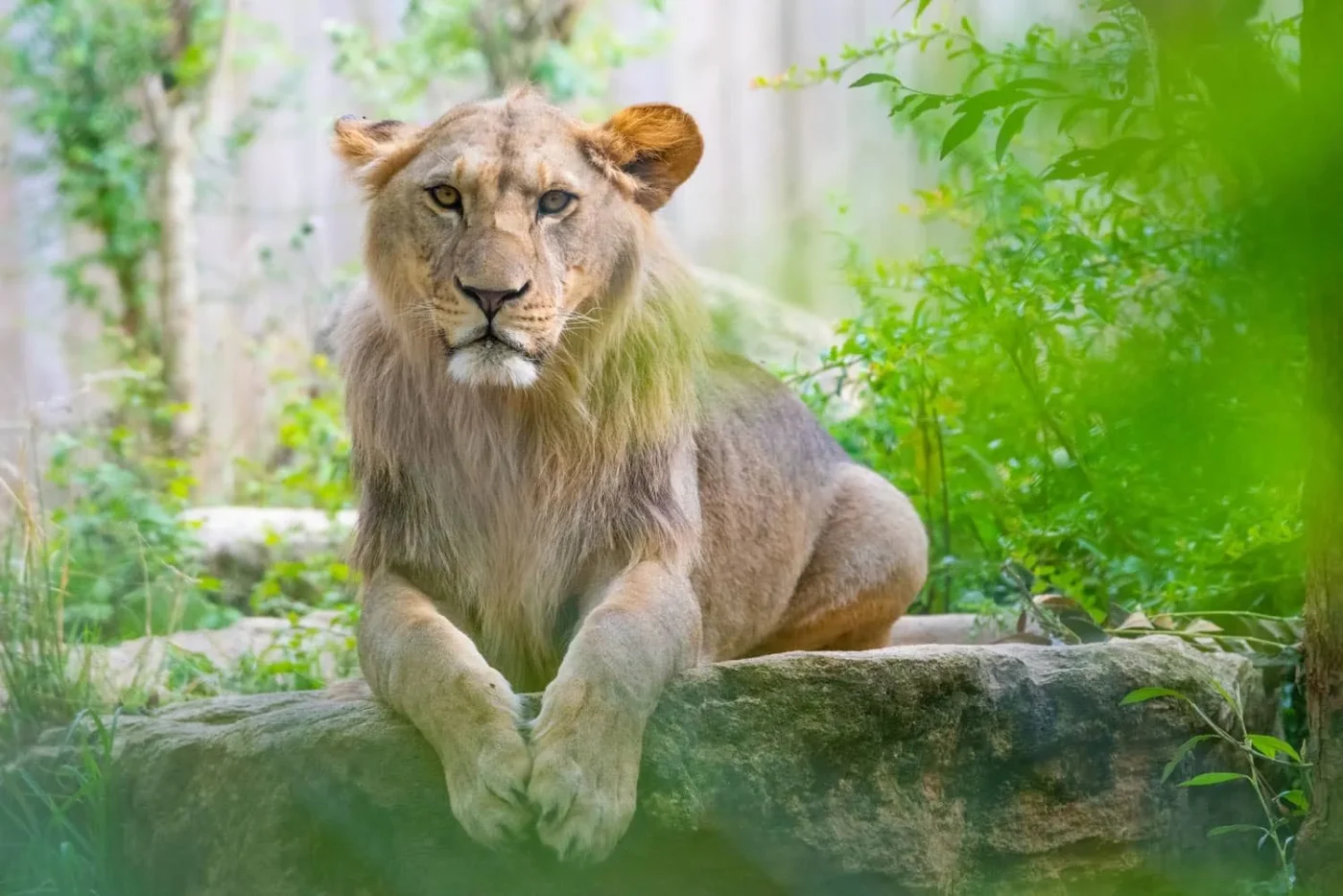
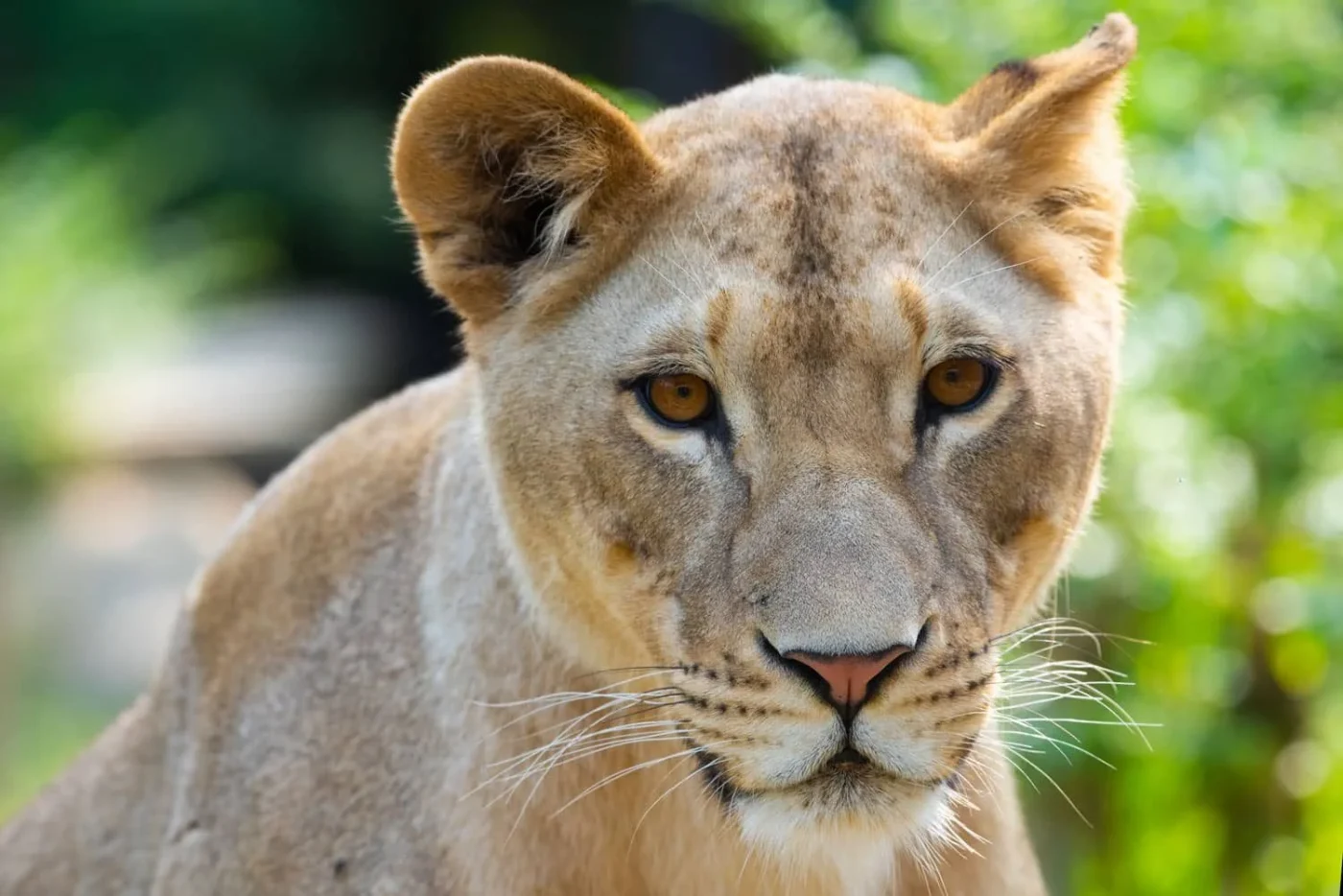
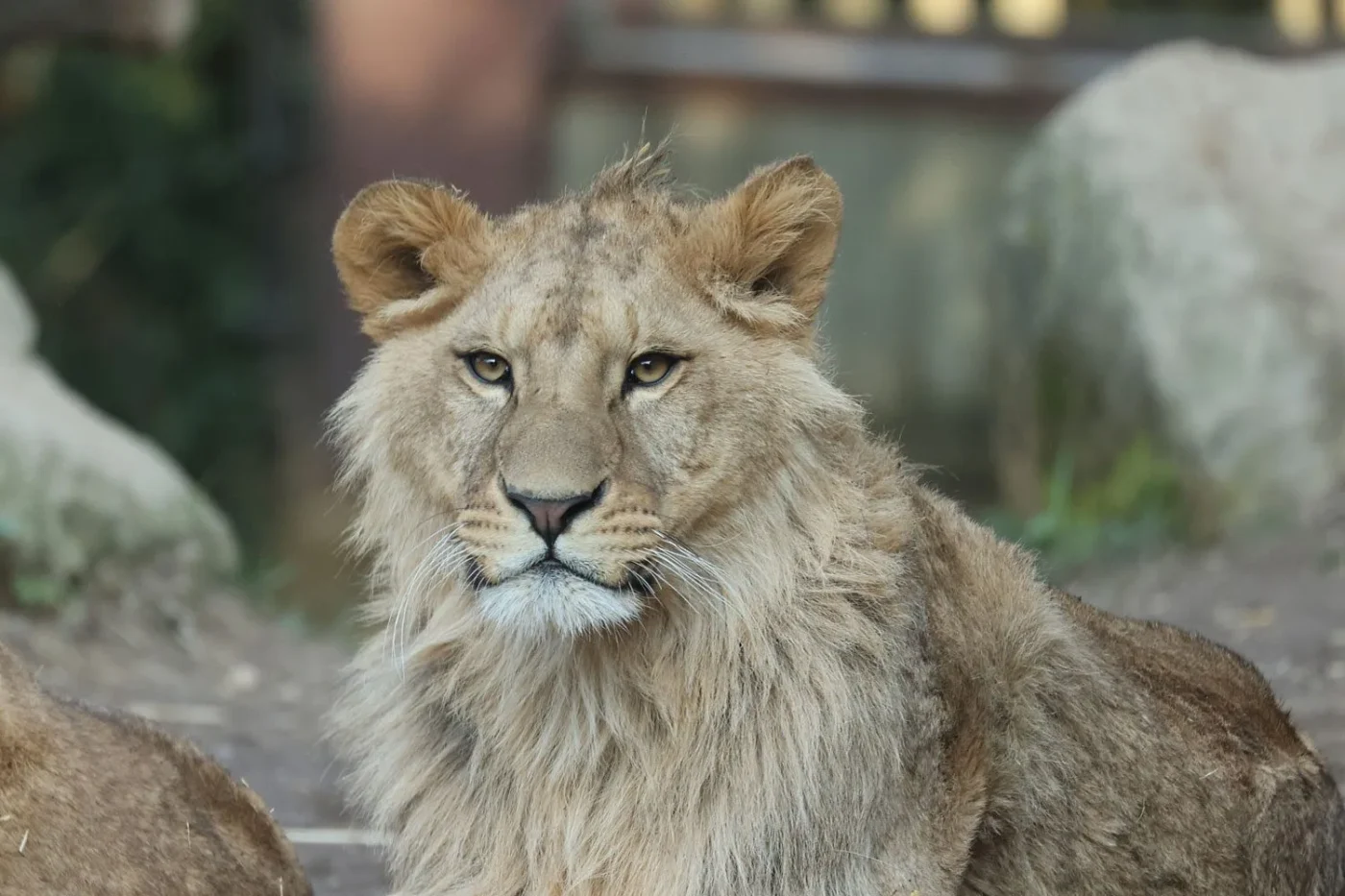
Lions are the largest carnivores in Africa, and strong sexual dimorphism allows males to be distinguished from females. Indeed, male lions are the only felines in the world to have a mane. These dark hairs develop at puberty and extend from the head to the forelimbs. In fact, it is this feature that allows the lion to be quickly differentiated from a lioness since only males have one. The purpose of this secondary sexual characteristic appears to be protection against bites and scratches from their fellow lions. However, the mane seems to be a handicap for camouflage while hunting. Lions can weigh between 220 and 240 kg, with a length of 2.5 to 2.7 meters and a height of 120 to 130 cm at the shoulder. Females, on the other hand, are less bulky, weighing only between 170 and 200 kg, with a length of 1.1 to 1.9 meters and a height of 115 cm at the shoulder. The mouth has 7-centimeter-long fangs and a bite force of more than 300 kilograms. Lions have retractable claws 6 cm long.
n
Lion cubs have a unique coat; it is grayish and has spots on the head, legs, and back. This provides effective camouflage against predators like hyenas, for example. These spots gradually fade starting at 3 months old.
n
Asian lions have a less developed mane but a thicker coat.