Hippotragus equinus

Roan antelope

Order: Artiodactyla / Family: Bovidae / Genus: Hippotragus

What is a Roan Antelope?

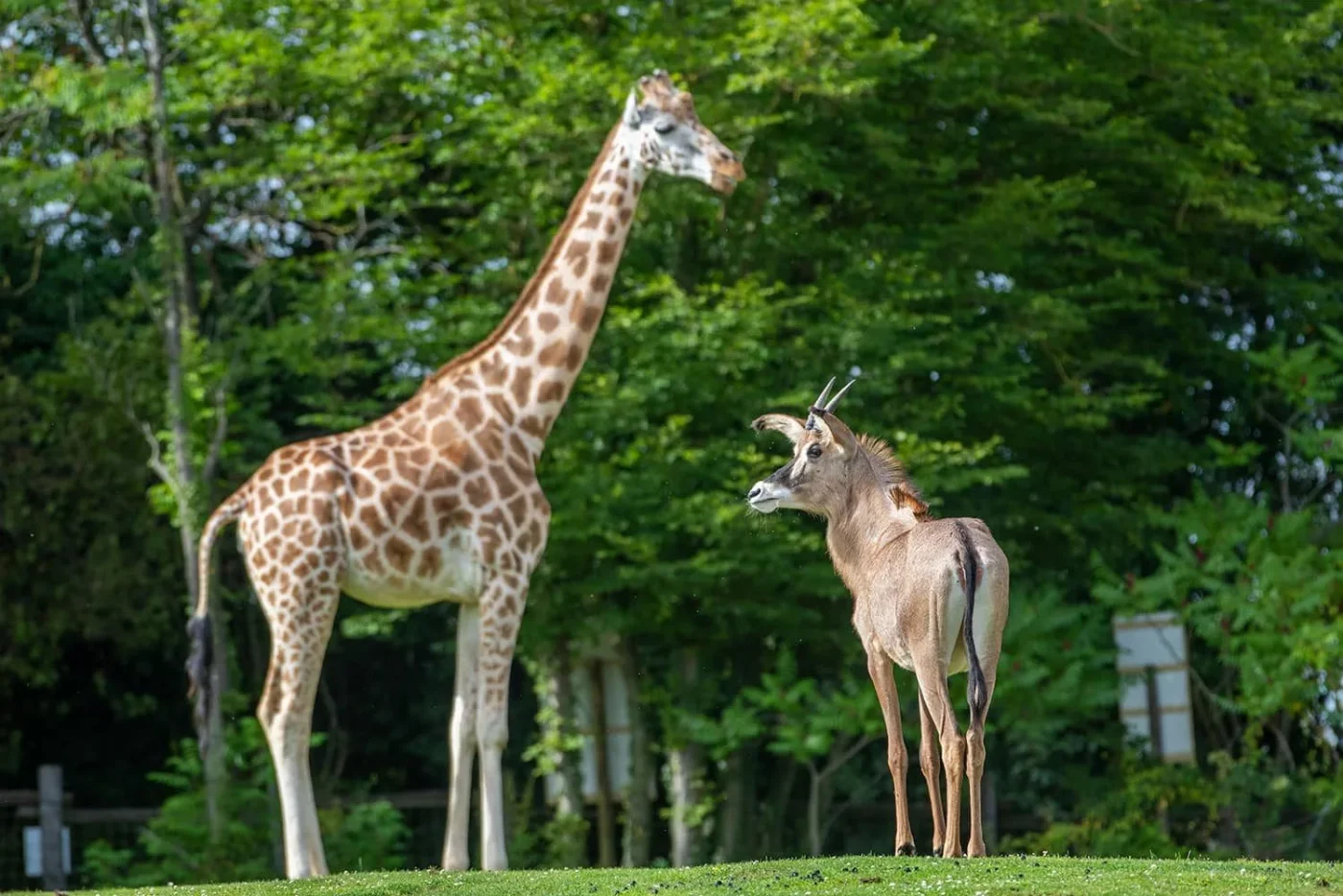
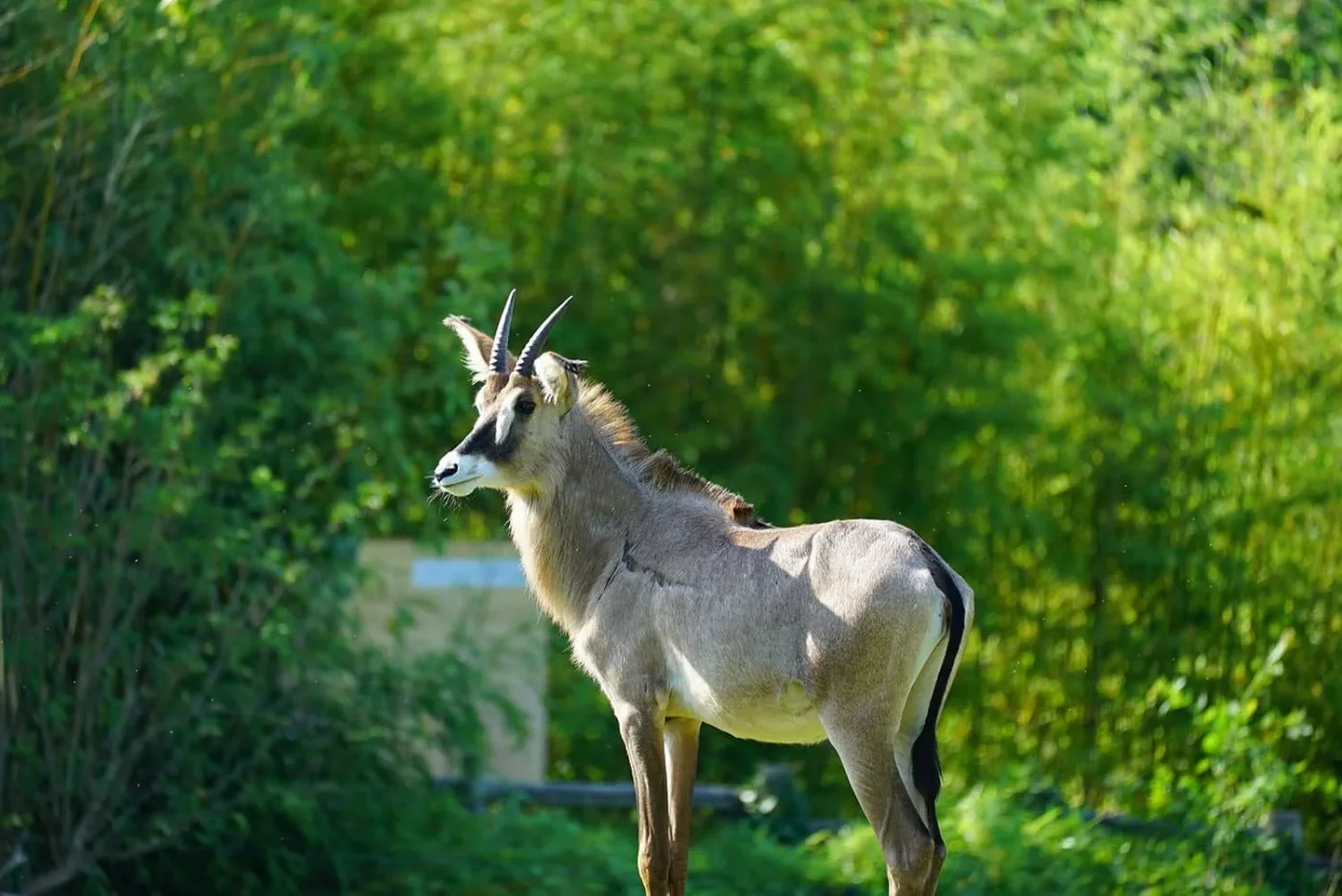
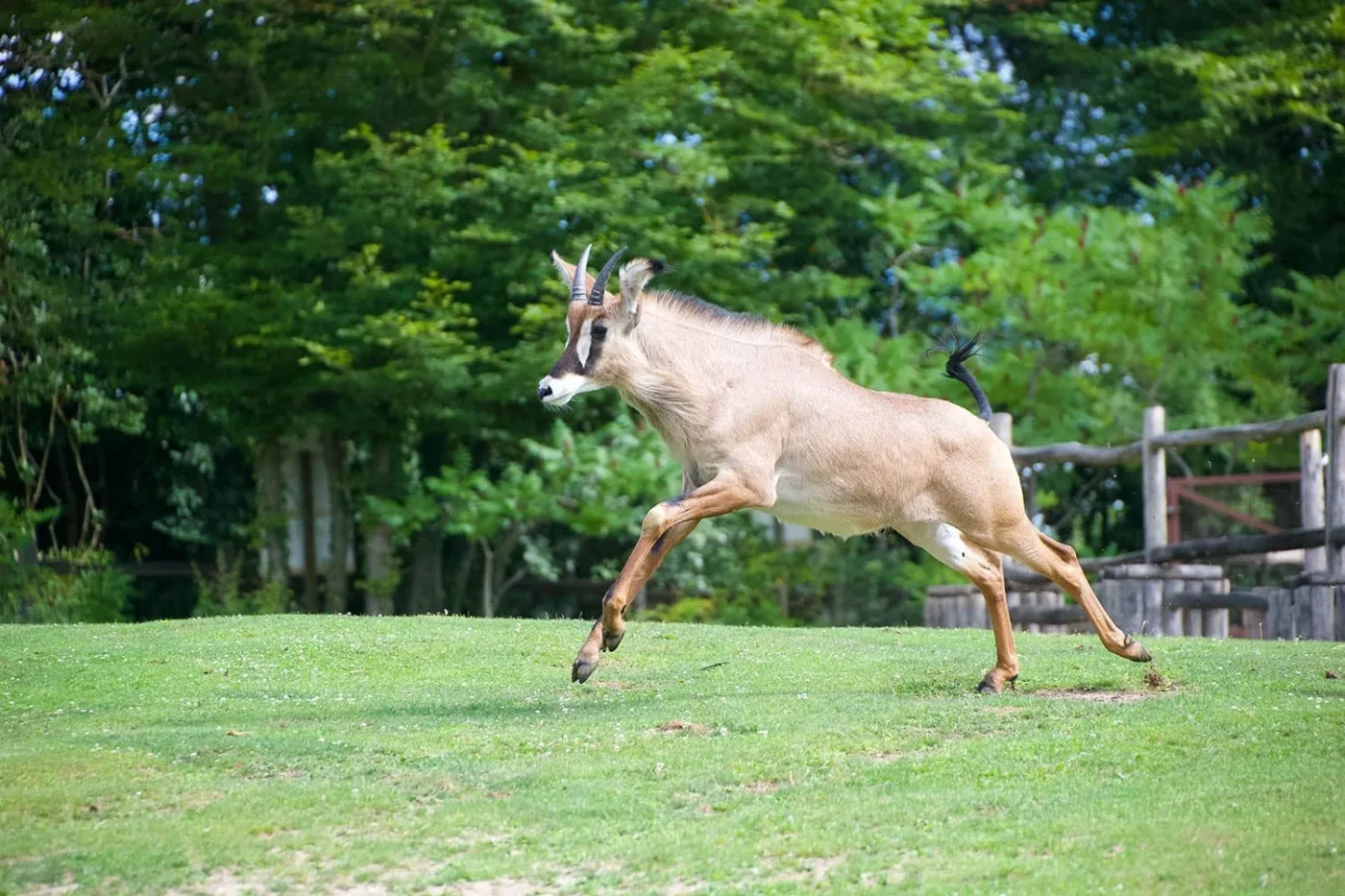
The roan antelope is also called horse antelope, hence its scientific name Hippotragus equinus. Its appearance, large size and mane recall the silhouette of a horse. In fact, it is the second largest antelope after the Derby eland. The roan antelope weighs between 225 and 300 kg. Males are larger than females. Both sexes have long horns, between 55 and 99 cm in length. It measures between 140 and 160 cm at the shoulder.

Its coat is grayish brown to reddish fawn. The ventral side is white, its muzzle is black and white. The young are lighter in color than the adults.

Weight

225 to 300 kg

Habitat

Savanna

Diet

Herbivore

Gestation

8 to 9 months

Longevity

17 years

Longevity

12-17 years

Location

From Gambia to Central Africa to South Africa
Frequently Asked Questions

Where does the antelope live?

The roan antelope has a large range. It extends from Gambia to Central Africa and down to South Africa. However, this range has shrunk over the decades. The roan antelope has disappeared from Burundi and Eritrea. The species also became extinct in Swaziland before later being reintroduced. It has also been reestablished in certain areas of South Africa where it is locally threatened. It lives in wooded savannas and grasslands near water sources. In total, 6 subspecies are recognized.

What does she eat?

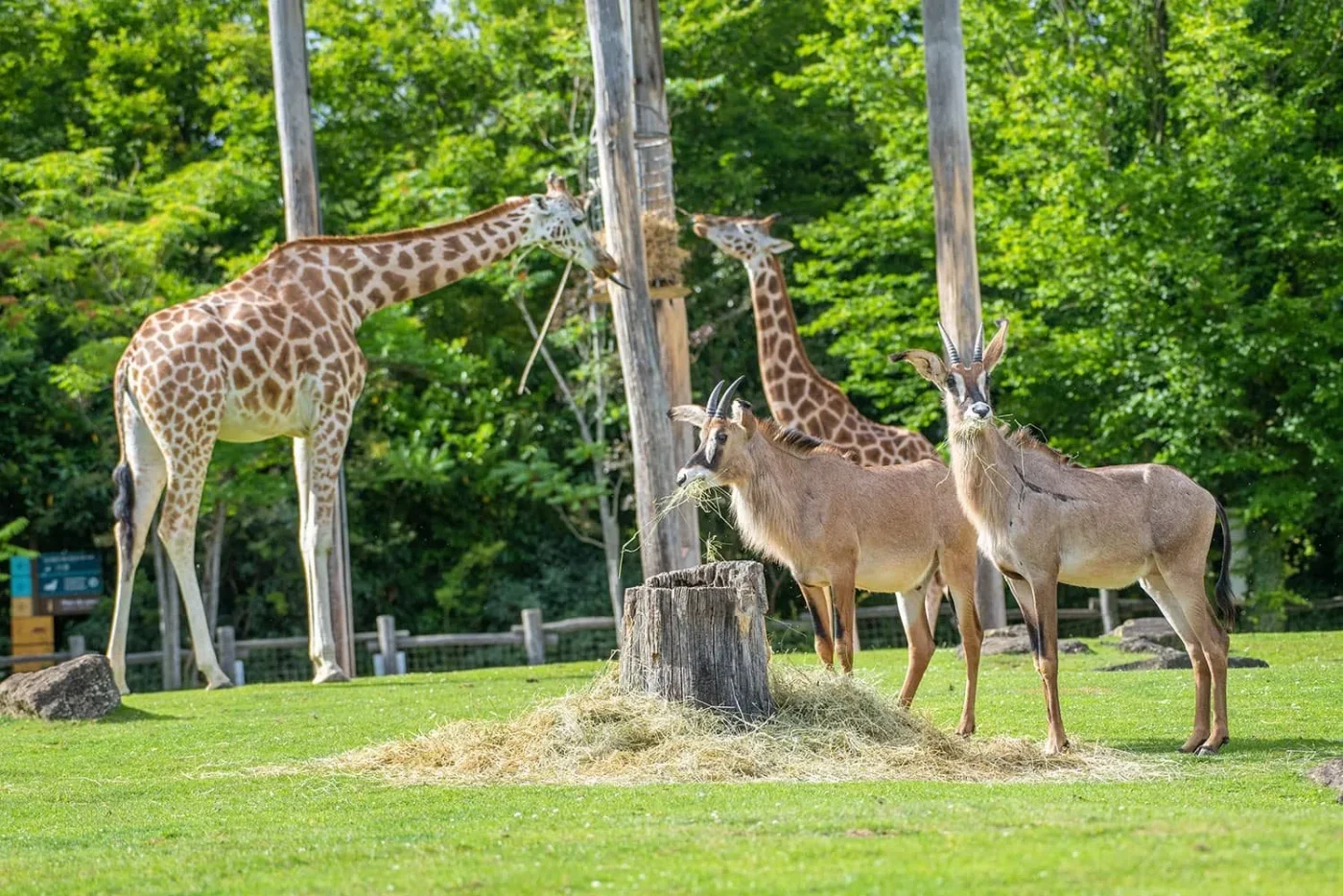
The roan antelope is herbivorous. It feeds on grass, shoots, and leaves. Through its diet, it plays an important ecological role as a grazer. It helps maintain open habitats such as prairies and enriches the soil with nutrients via its droppings. The roan antelope is a ruminant like the cow. It has 3 pre-stomachs. Exchanges thus take place before actual digestion. It swallows a large amount of food that it chews little and sends to the rumen with the help of its saliva. The food is regurgitated, chewed, and fragmented so that it can be sent to the second pre-gastric chamber, the reticulum, then to the omasum before reaching the true stomach, the abomasum, where a second digestion begins.

Behavior

The roan antelope is gregarious and lives in a harem composed of a dominant male, females, and their young. The females are represented by a dominant female. Herds usually consist of 6 to 15 individuals, but groups of up to 35 antelopes have been observed. During adolescence, young adults are driven from the herd by the dominant male to avoid inbreeding. They gather to form groups of bachelor males to help each other in fights through play. These groups are generally formed of 3 to 5 males, up to a maximum of 12. Once experienced, at the age of 5 or 6 years, they separate and try to take control of a harem through battles with their horns. Despite their violence, deaths are rare.

The roan antelope is mainly active during the cooler periods of the day, in the morning and evening. It retreats into vegetation to rest during the hot periods. It is not particularly shy in areas where it is not hunted. Rather fast, it can run up to 57 km/h to escape from predators such as the lion, the spotted hyena, the leopard, or the African wild dog.

The roan antelope’s life expectancy is about 17 years.

Reproductive strategy

The roan antelope does not have a specific breeding season. The female leaves the herd to give birth to only one young after 8 to 9 months of gestation. It is one of the rare nidicolous mammals. The calf stays hidden in a nest, in tall grass, sheltered from predators, while the female rejoins the herd during the day. The calf makes little effort and conserves its energy. It thus grows quickly. Its weight can triple in 5 weeks. It is fast enough to try to escape predators and joins the herd with its mother. It is weaned after 6 months.

What is she threatened by?

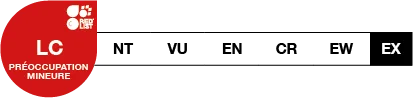
The roan antelope is currently not considered threatened. Its range is large. About 60% of its population lives in protected areas. It is classified as “least concern” by the International Union for Conservation of Nature, which is the most favorable status. Despite this, the number of individuals seems to be decreasing. There were 76,000 in 1999. Today, 50,000 to 60,000 mature individuals, thus of reproductive age, are counted. Some populations declined by 70% between 1978 and 1998. In South Africa, it is even locally classified as “endangered.”

The roan antelope is heavily hunted as bushmeat but also for trophies. It is also impacted by habitat loss, especially for cotton crop plantations. Today, it is protected but poaching remains a threat to the species.

Other animals to discover