
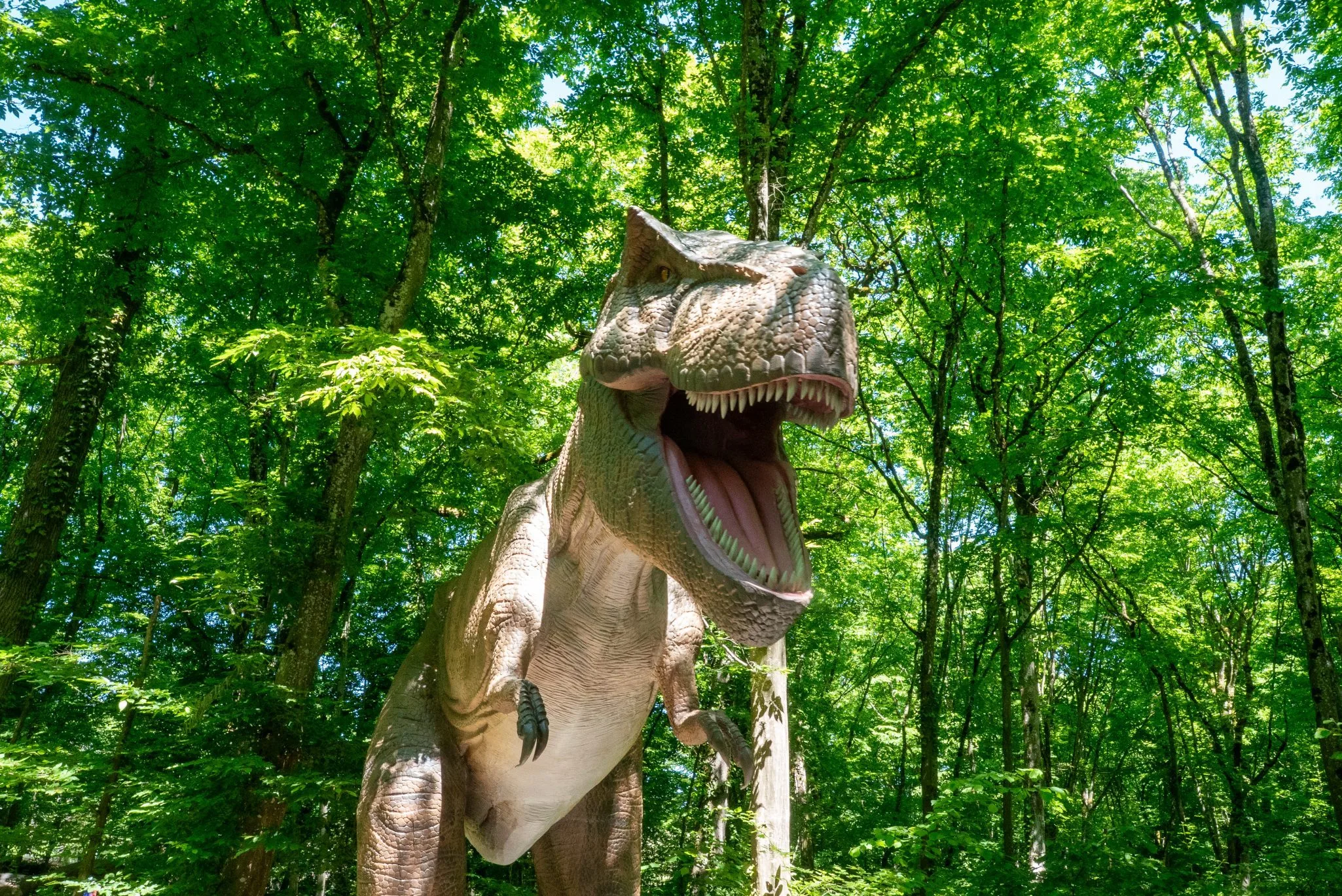
Its name means “the king of tyrant lizards.” Its body is aligned horizontally with the head forward and the tail backward. It is the largest land carnivore.
Equipped with powerful hind legs, it could not exceed 30km/h due to the tension of its weight on the joints and the shape of the legs, the tibia is shorter than the femur. They moved on the tips of their legs like ostriches. The strides could reach 3.75 meters. Thus, it did not run but walked.
The absence of a syrinx allows us to state that it could not produce harmonized sounds; in reality, it uttered guttural cries, somewhat like crocodiles.
It had excellent vision and a very good sense of smell due to the very large olfactory lobes in the brain (comparable to certain mammals).
The head measures 1.4 meters long and the jaw has 58 teeth. The teeth measured up to 20 cm. The tail thus served as a counterweight to avoid tipping forward.
These tiny forelimbs, 75 cm long, probably helped it get up when lying down, to balance, and to grasp its food. Other hypotheses suggest they shrank to avoid adding weight and risking imbalance due to the weight of the head.
A super predator, it was at the top of the food chain and was capable of preying on large herbivores such as hadrosaurs and ceratopsians, including the famous Triceratops. However, it was probably common for it to scavenge carcasses.
It was homeothermic, its body temperature was between 35 and 38°C.
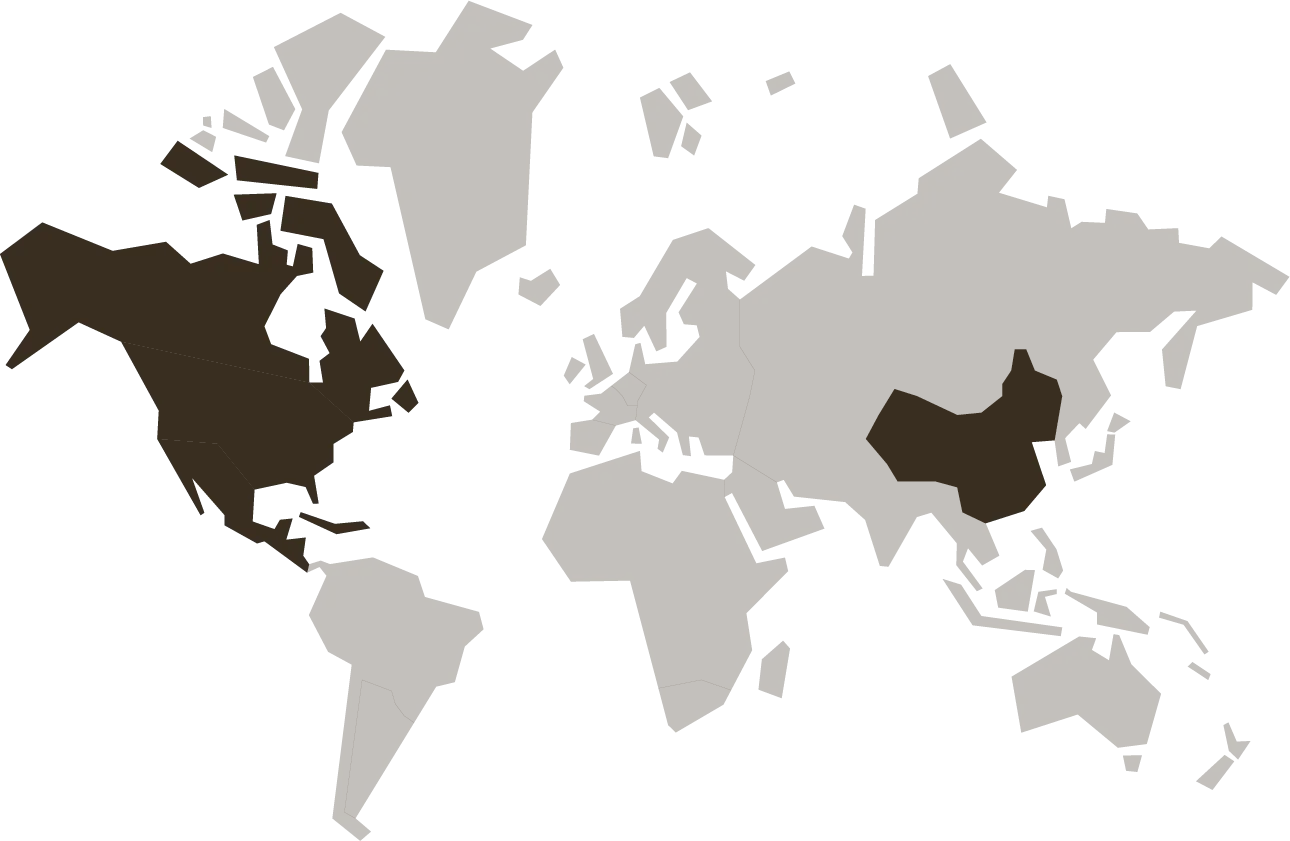
Studies in China have suggested that it may have had feathers. Although nothing can be confirmed at present, it seems that among the group of tyrannosaurids, some older dinosaurs that lived 50-60 million years before the T-rex had feathers. So it is possible that feathers originally present disappeared over time.