Cryptoprocta feros

Fossa

Order: Carnivora / Family: Eupleridae / Genus: Cryptoprocta

What is a Fossa?

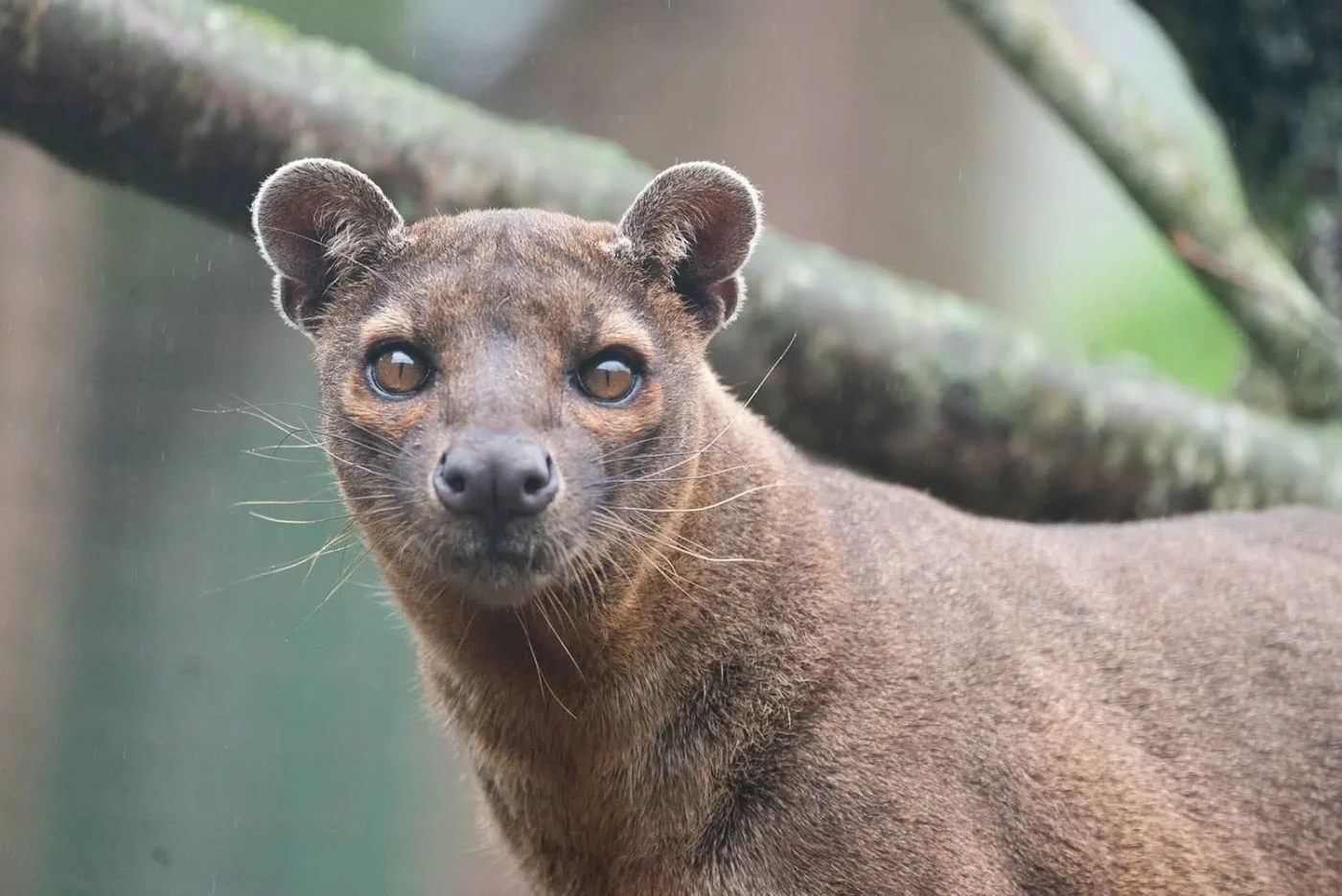
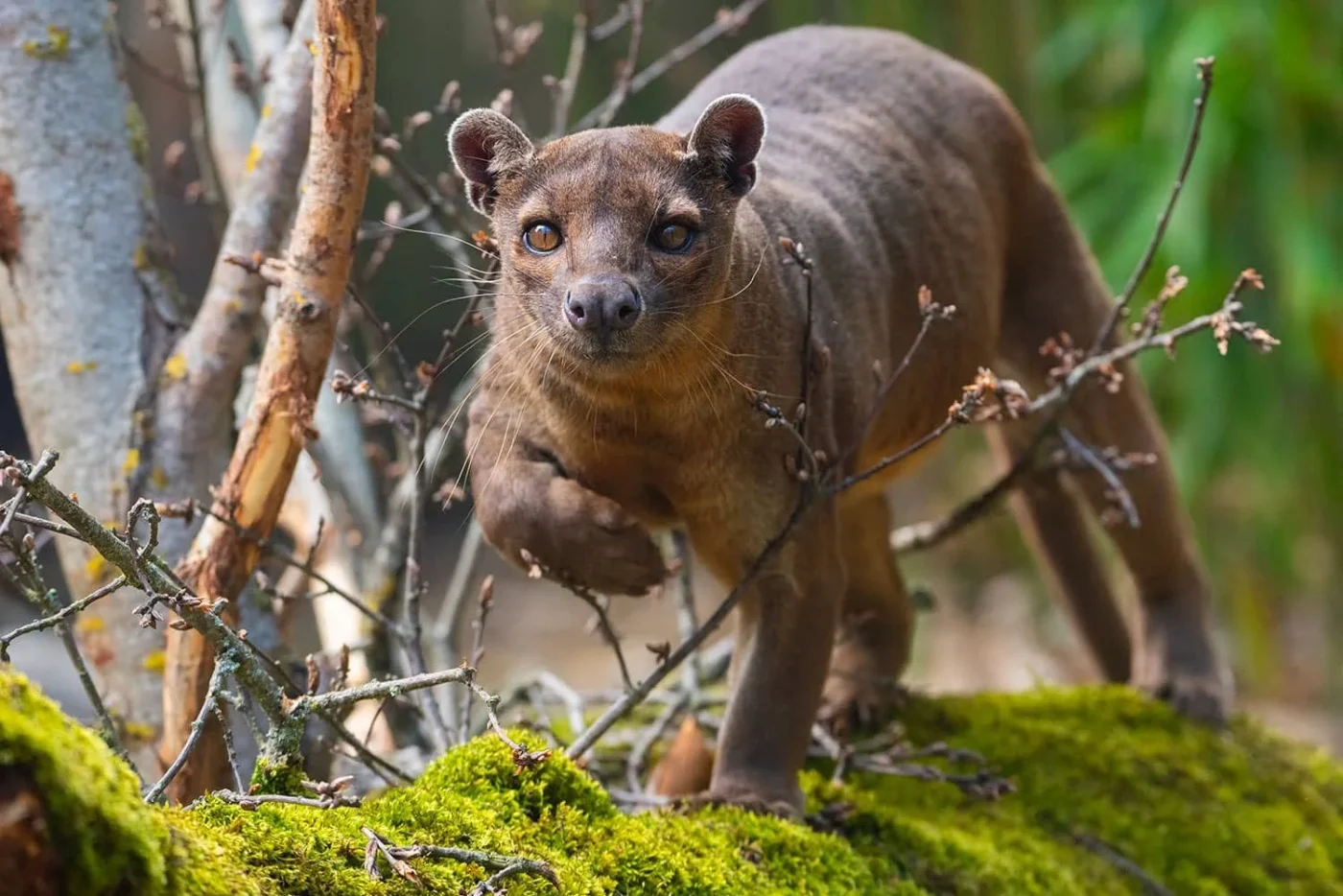
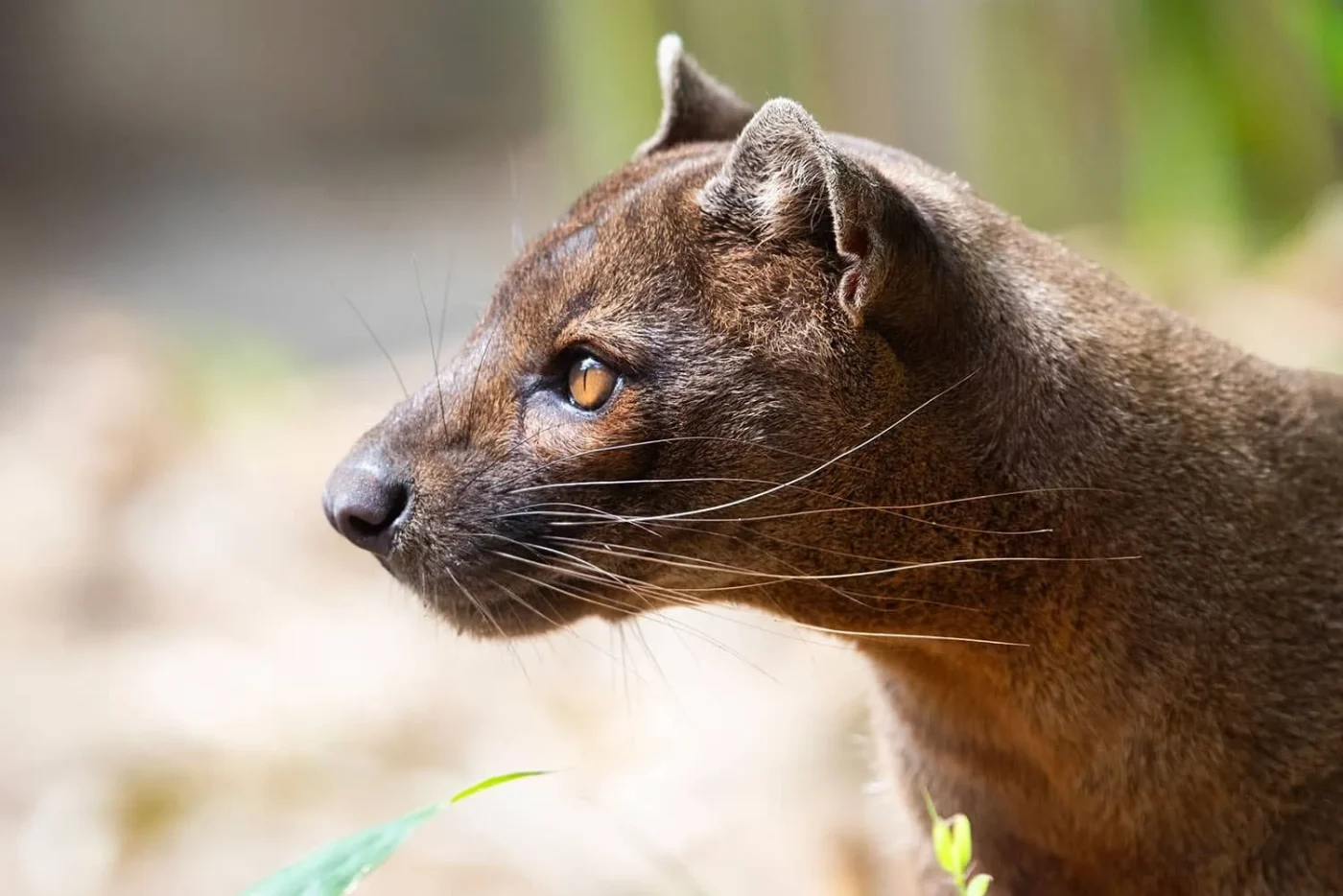
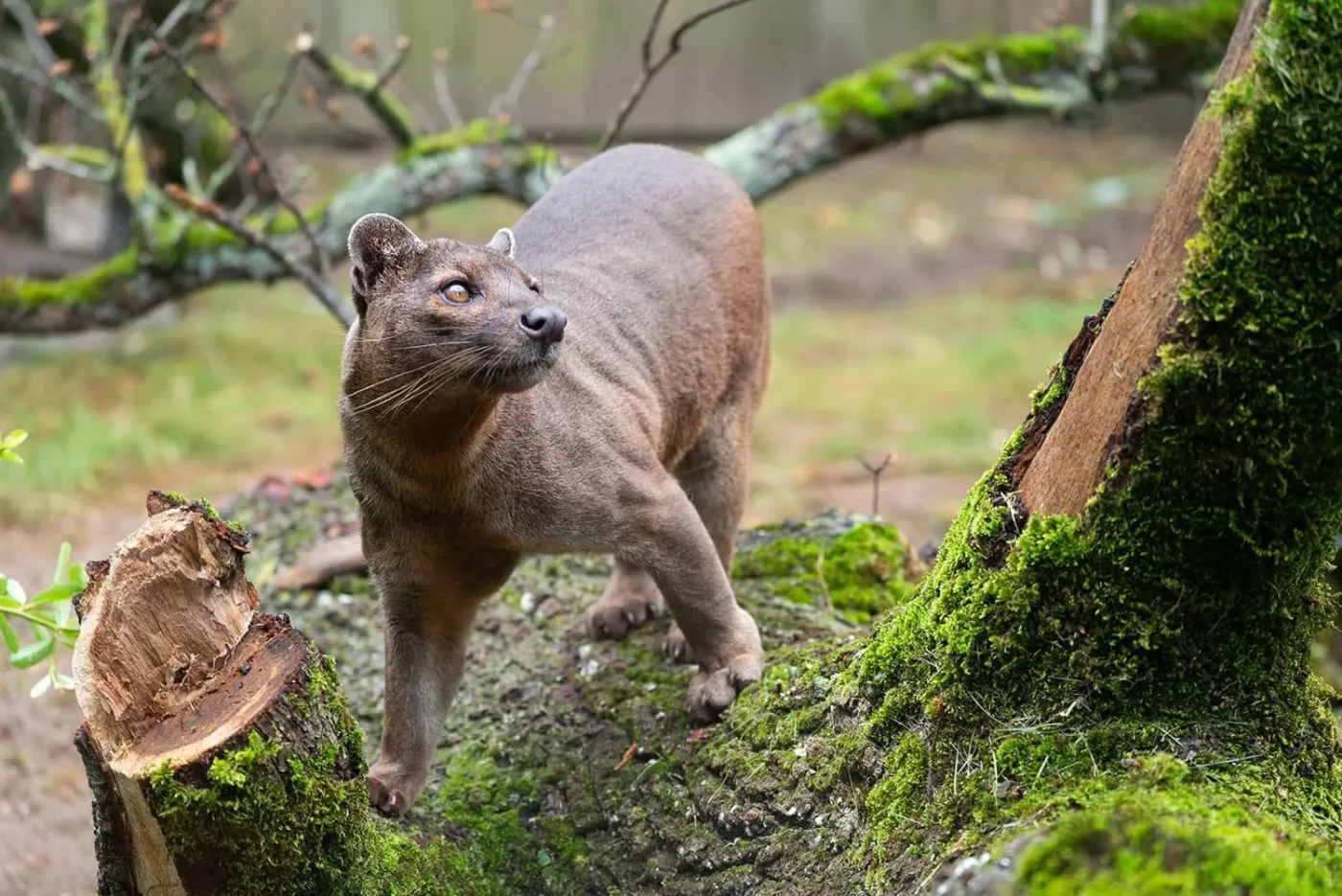
The fossa is the largest mammal of Madagascar. It is slender and long, 60 to 80 cm. Its body is slightly longer than its tail. Its legs are short but powerful. Its coat is short and smooth, reddish brown in color. Some individuals can be melanistic and have an entirely black coat. The classification of the fossa has been difficult to determine. It shares characteristics from several families, such as felines with retractable claws. For a long time, it was classified among the viverrids, a family that includes civets and genets. Today, it is considered as part of the euplerid family, which includes all Malagasy carnivores. Its ancestors are thought to have colonized the island 18 to 20 million years ago.

Weight

7 to 12 kilograms

Habitat

Savanna, prairie, forest, rainforest

Diet

Carnivore

Gestation

3 months

Longevity

20 years

Longevity

12-17 years

Location

Island of Madagascar
Frequently Asked Questions

Where does the fossa live?

The fossa is endemic to the island of Madagascar. It lives in coastal plains, savannas, rainforests, bushy forests, and mountain forests up to 2500 meters in altitude where it becomes rarer.

What does he eat?

Due to its size, the fossa is Madagascar’s top predator. It mainly feeds on lemurs, which represent half of its diet. To hunt them, it does not hesitate to chase them through the trees. It is just as comfortable on the ground as in the branches. It can even attack the indri, the largest lemur, which can weigh up to 90% of its own weight. It plays an important ecological role by regulating lemur populations. Sometimes, it can cooperate when hunting; in 2009, three males were observed helping each other to hunt a lemur. Before eating, it begins by disemboweling its prey. The fossa supplements its diet with birds, small mammals, birds, and insects.

Behavior

The fossa is a solitary animal that generally meets others only during the breeding season. Pairs can be observed together for a few weeks. This carnivore is territorial, around 13 to 17 km² for the female. The male’s territory is about 3 times larger. He does not hesitate to be aggressive toward rivals during the mating season. To mark his territory, he uses his perianal glands. He is active both on the ground and in the trees. He climbs down tree trunks head first like the red panda. The fossa is mainly nocturnal or crepuscular with some phases of activity during the day.

Reproductive strategy

Copulation takes place between September and October, either on a branch or on the ground, and can last up to 6 hours. During mating, as with lions, the male bites the female’s neck. After 3 months of gestation, she gives birth to 1 to 6 young (usually 2 to 4) in a cavity. This can be in rocks, in a tree trunk, or even in an underground den. The young are born blind. They are weaned at 4 months old and leave their mother between 15 and 20 months of age. Sexual maturity is reached at 3.4 years old. The female reproduces every 2 years. The life expectancy of a fossa in captivity is 20 years.

What is it threatened by?

Unfortunately, the fossa is a species considered threatened. It is classified as “vulnerable” by the International Union for Conservation of Nature. The number of individuals has dropped sharply in recent decades. Hunting pressure is high in some regions where more than half of the villages have reported consuming fossa. Some body parts are used for traditional medicine. It is sometimes accused of attacking livestock, especially chickens, and is exposed to reprisals. In some villages, the fossa is protected by a taboo (fady in Malagasy). Killing a fossa would bring bad luck according to this belief. Moreover, there is a conflict between national and local legislation. Since the coup in 2009, with political instability, the demand for bushmeat has increased and more fossas have been killed.

Like many species in Madagascar, it is sensitive to deforestation and the fragmentation of its habitat. The demand for exotic wood remains high. The island has lost almost 50% of its forests since 1950. Plots are burned to create farmland to meet the growing Malagasy population.

The introduction of cats and dogs has increased food competition with the fossa. They can also transmit anthrax and diseases to it which can be fatal.

Madagascar is one of the world’s biodiversity hotspots. This ecosystem is fragile and unique with its high rate of endemism. Protecting the fossa and its habitat is important because it is an umbrella species. It benefits many lesser known species.

The fossa is part of a European breeding program coordinated by the Duisburg Zoo in Germany. The goal is to ensure a sustainable captive population with good genetic diversity in case reintroduction is necessary. They are also wonderful ambassadors for their wild cousins.


Other animals to discover