What is a jaguar?
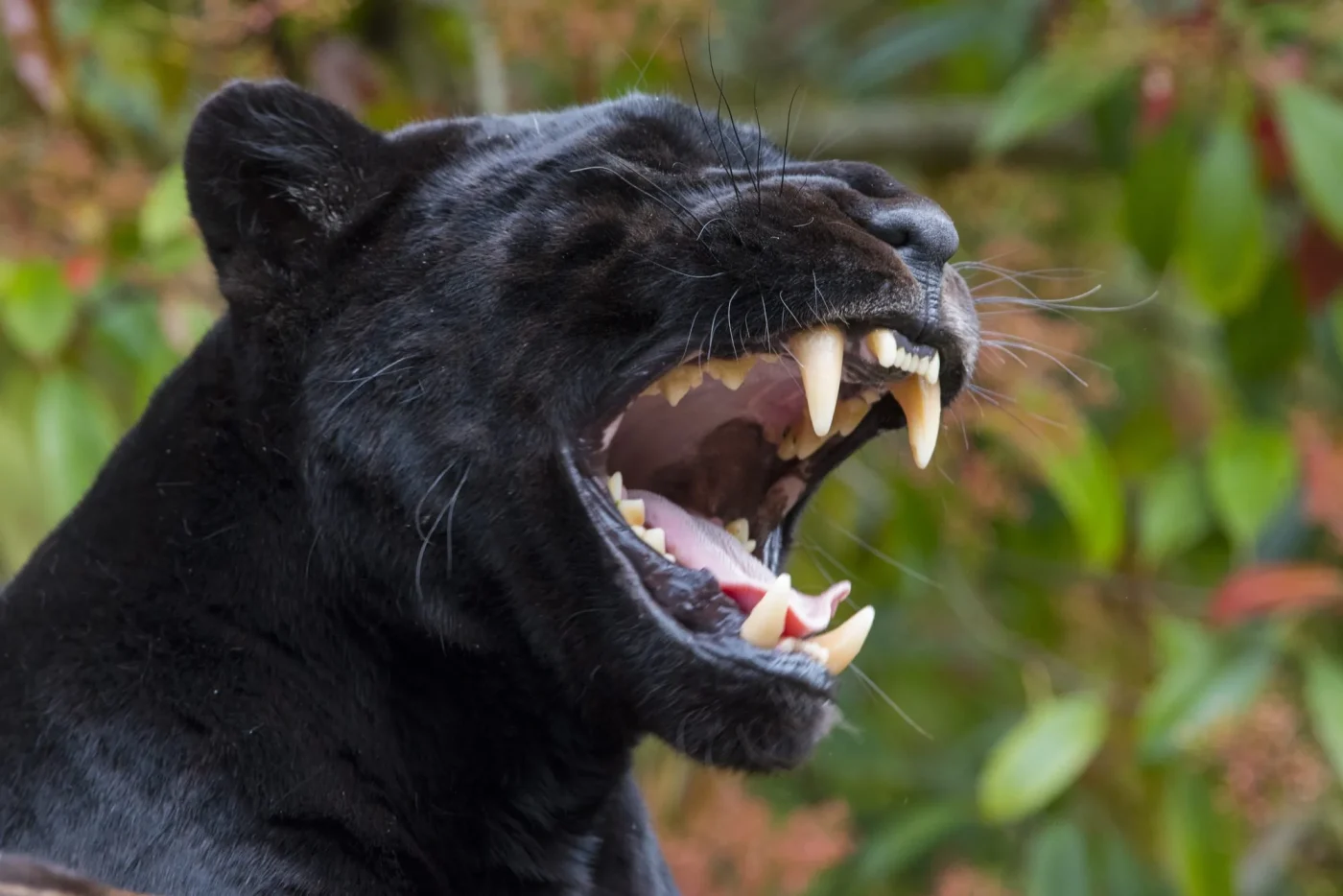
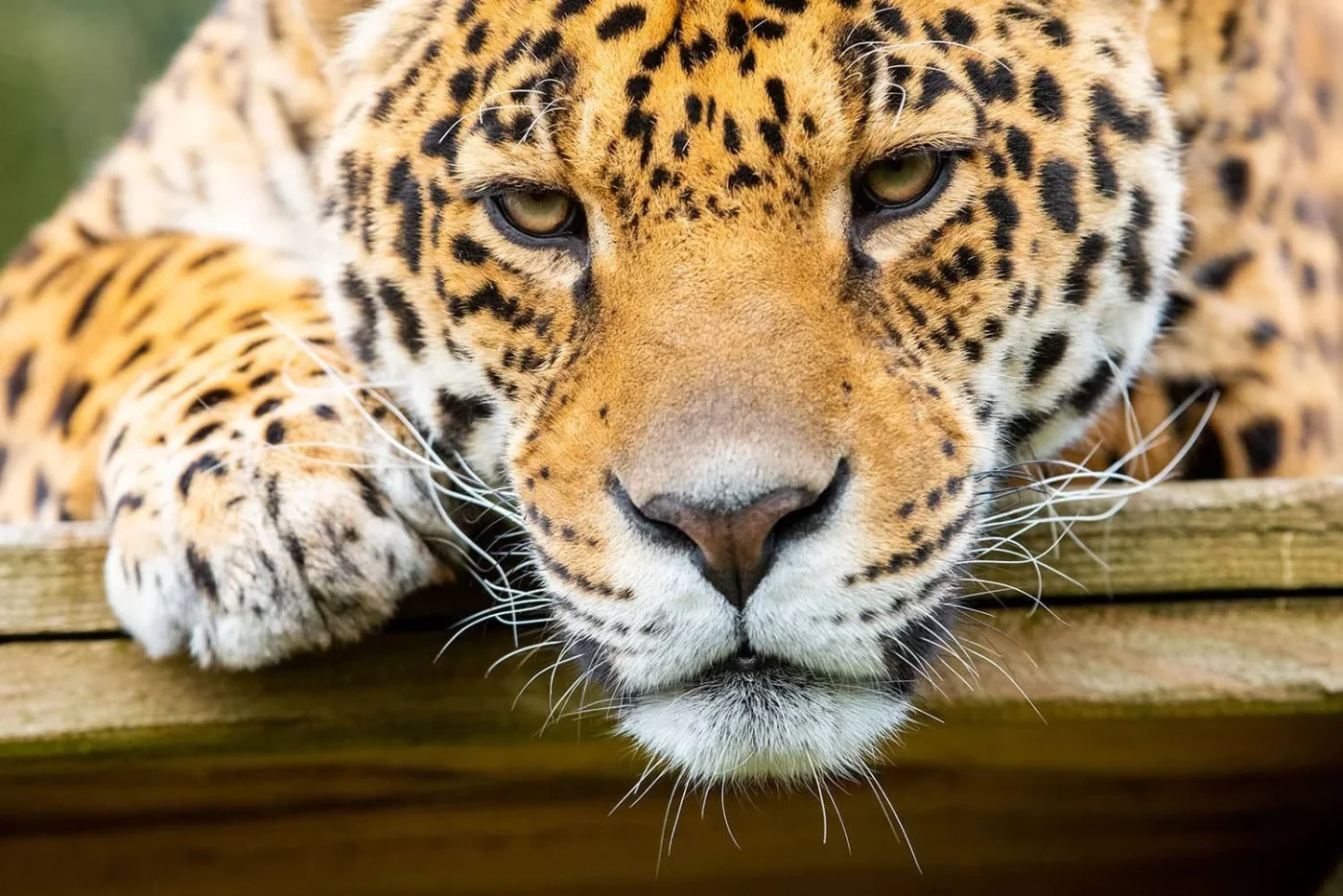
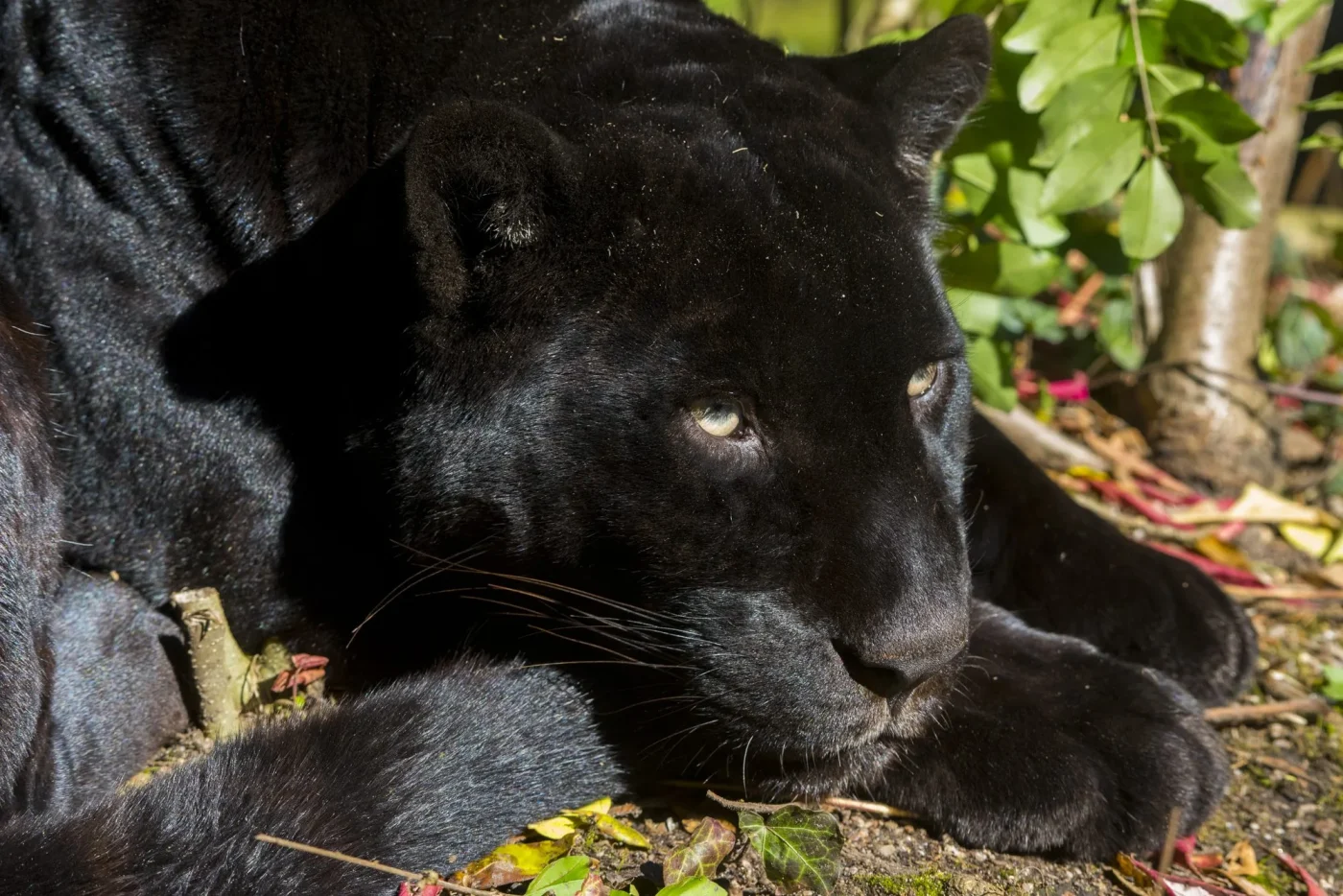
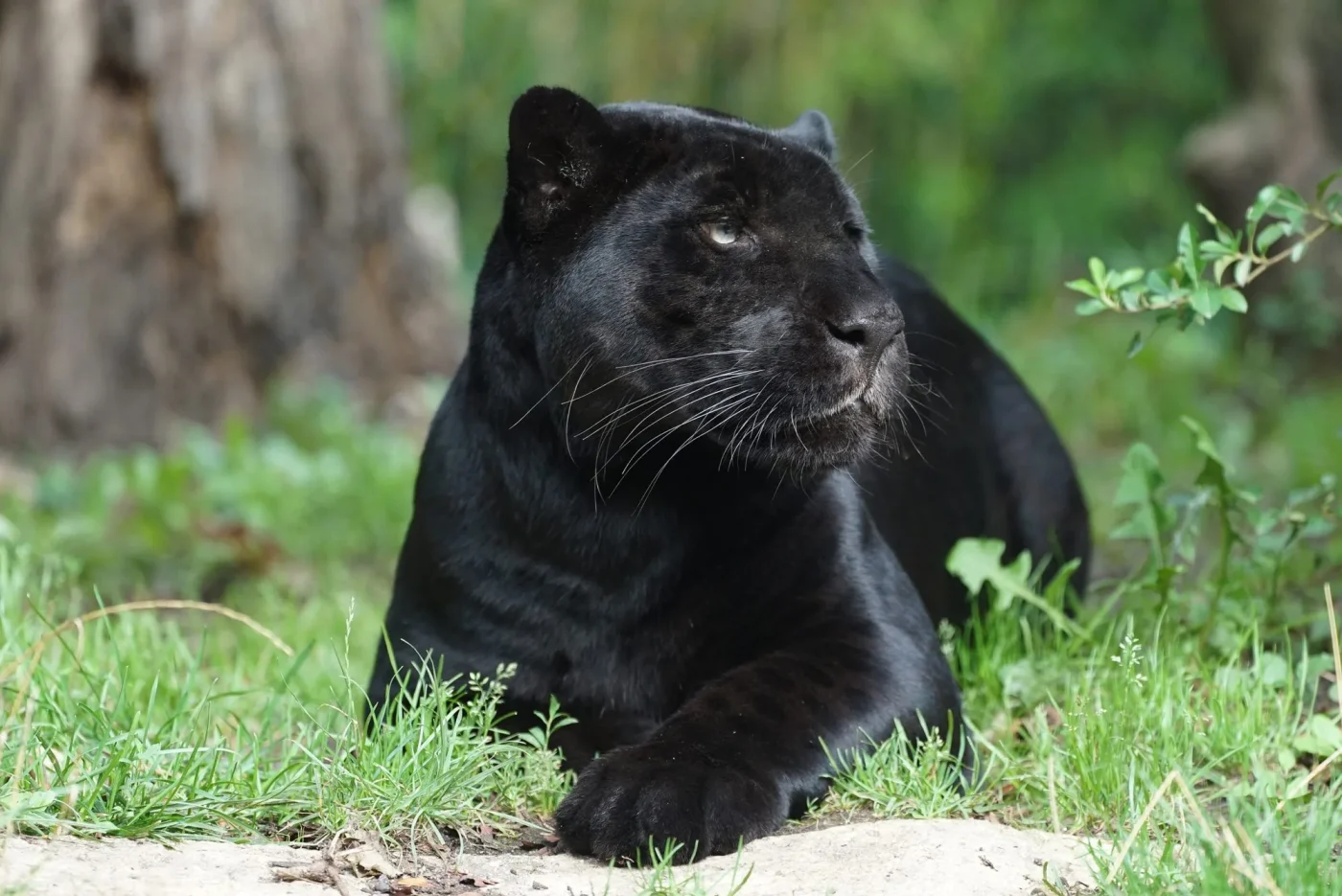
The jaguar is the largest feline in the Americas, measuring on average 75 centimeters at the shoulder for a body length of 150 to 180 centimeters with a tail averaging 80 centimeters. Its build is slender, and weight varies between 70 and 140 kilograms. It has powerful legs as well as strong jaw muscles. The top of its coat, whose main color ranges from pale yellow to copper brown, is marked with black rosettes. In fact, it is by these rosettes that one can distinguish the jaguar from the panther, with which it is often confused. The panther has empty rosettes, whereas those of jaguars are irregular and filled with several black spots. The underside is white. Among jaguars there are individuals whose coat is entirely black. This color is the result of a genetic mutation that causes an abnormally high production of melanin, the pigment responsible for cell coloration. These individuals are therefore almost black, called melanistic individuals. This trait affects 6% of the population. Despite this black color, the rosettes on its coat remain slightly visible.
In this species, the size of individuals varies according to the regions where it lives and the availability of prey. The largest jaguars are found in the Pantanal, where the biggest males can reach 100 kg. The smallest ones are seen in Honduras and do not exceed 60 kg.