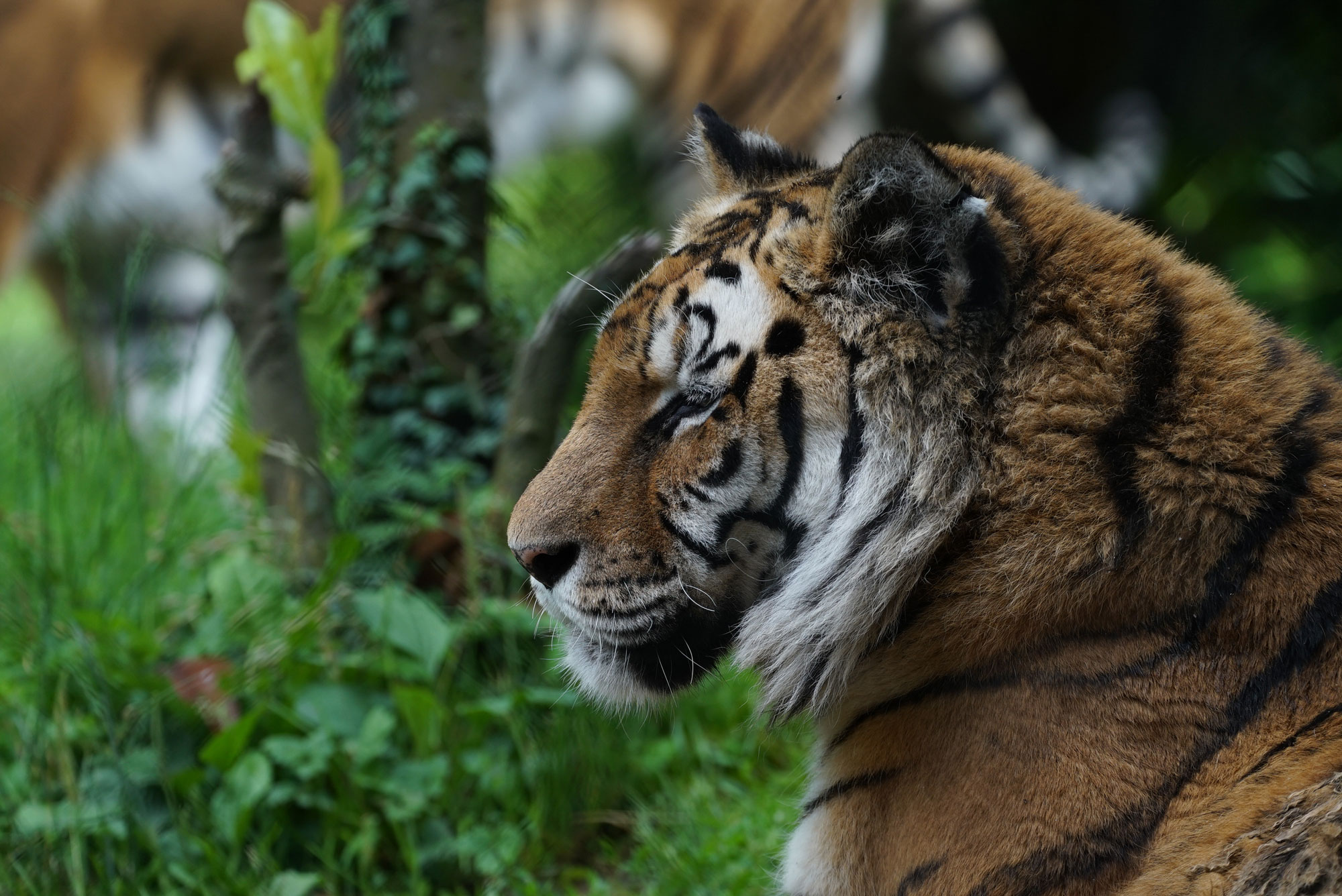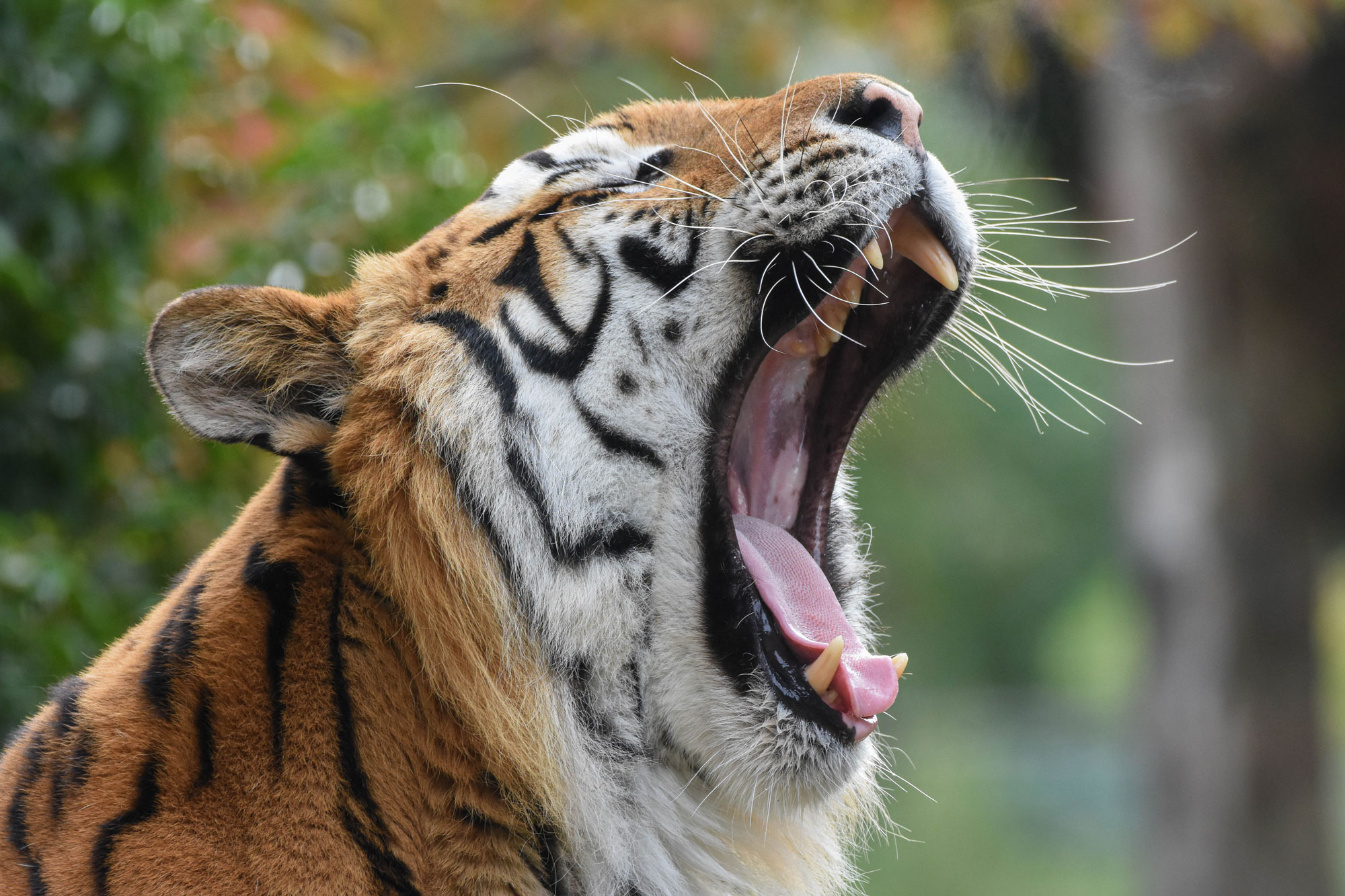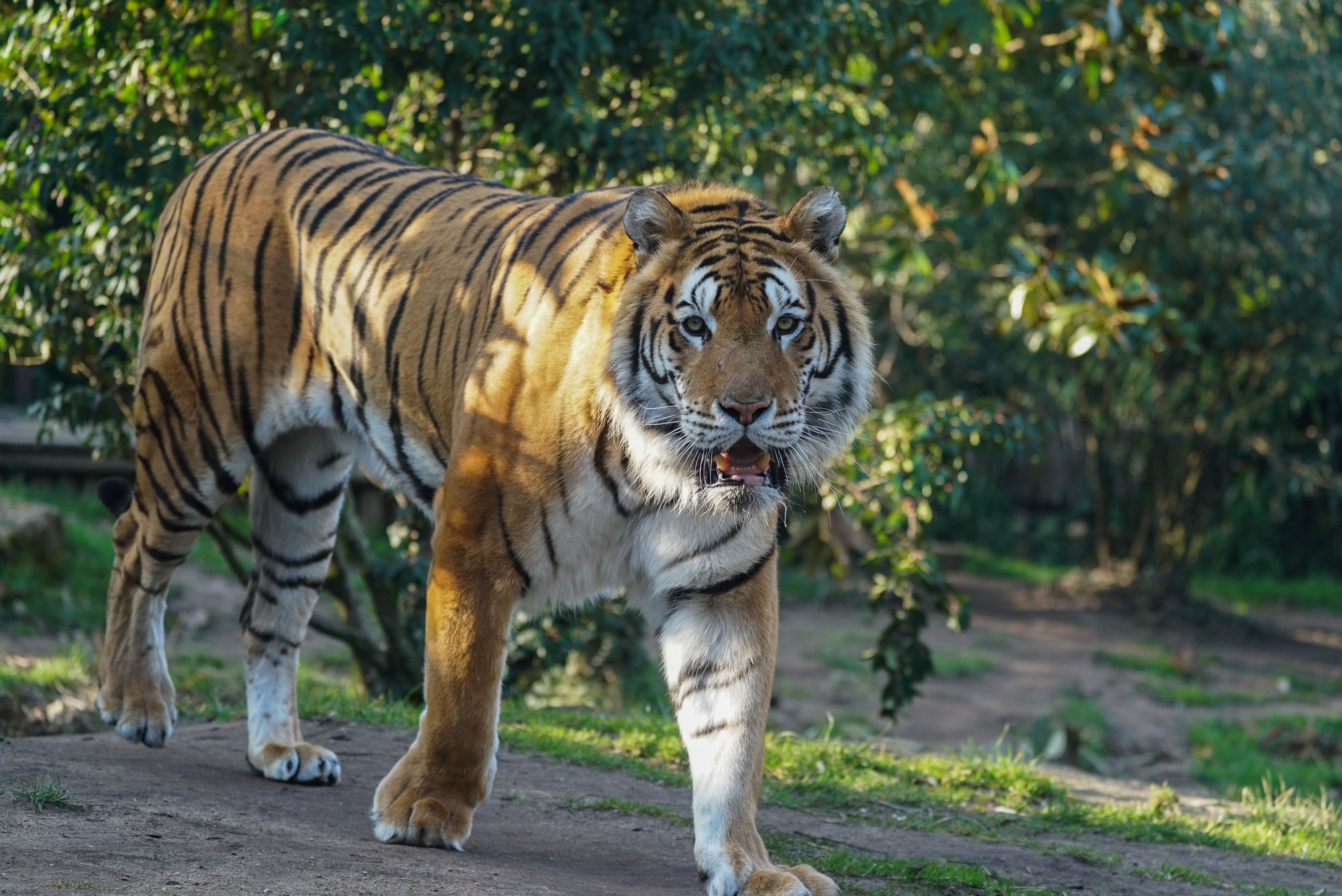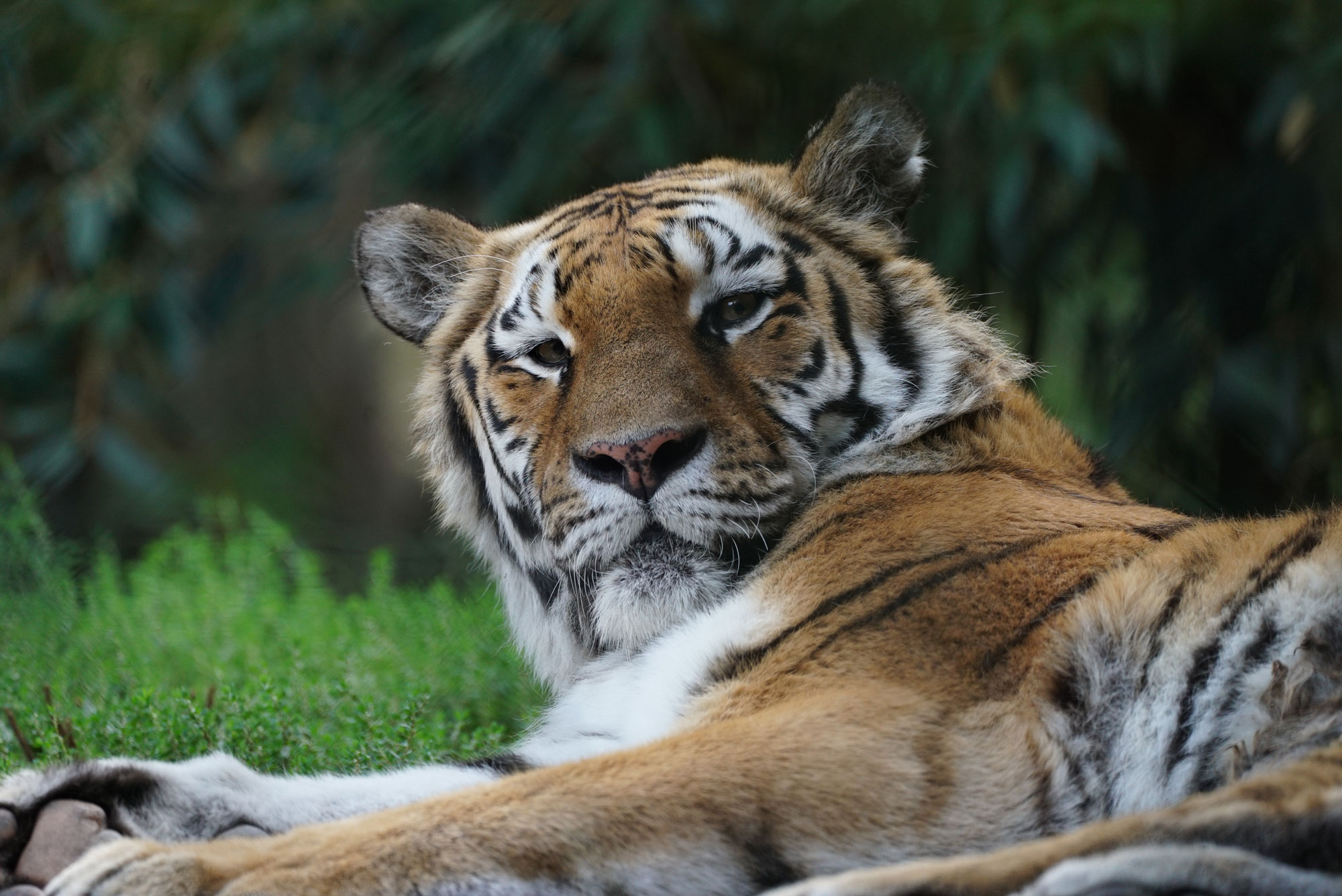
Panthera tigris altaica

Siberian tiger

Order: Carnivores / Family: Felidae / Genus: Panthera

What is a tiger?

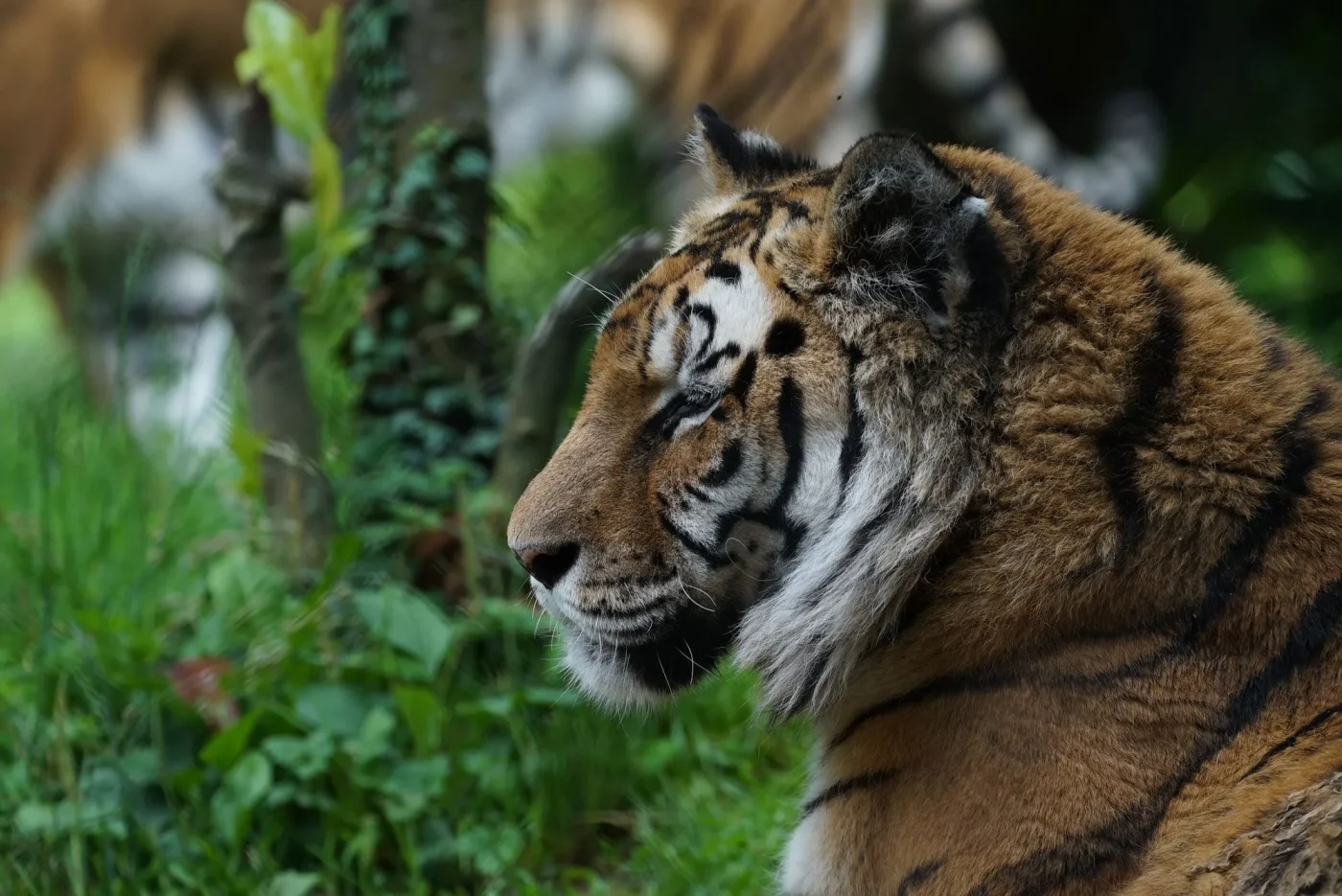
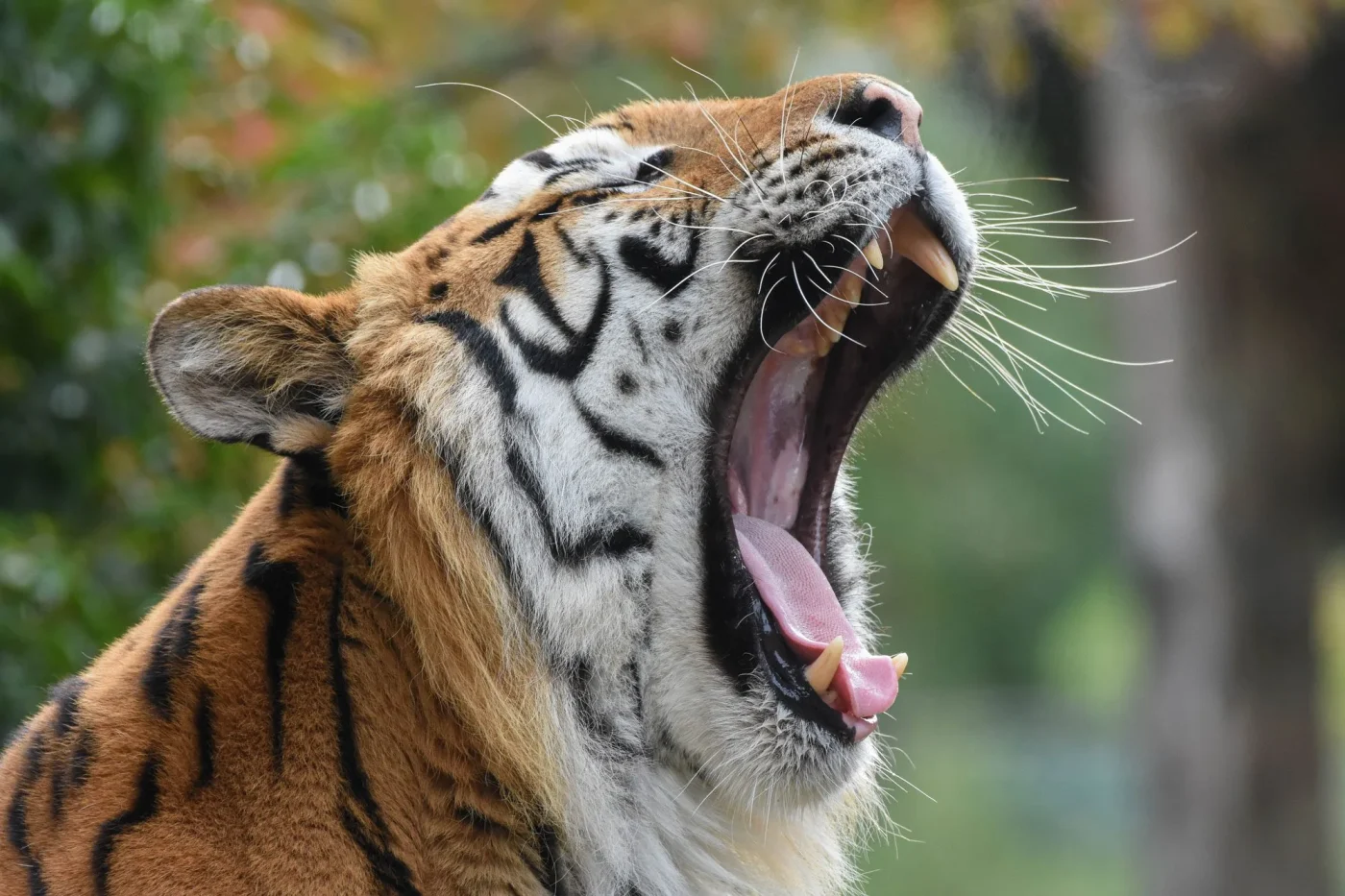
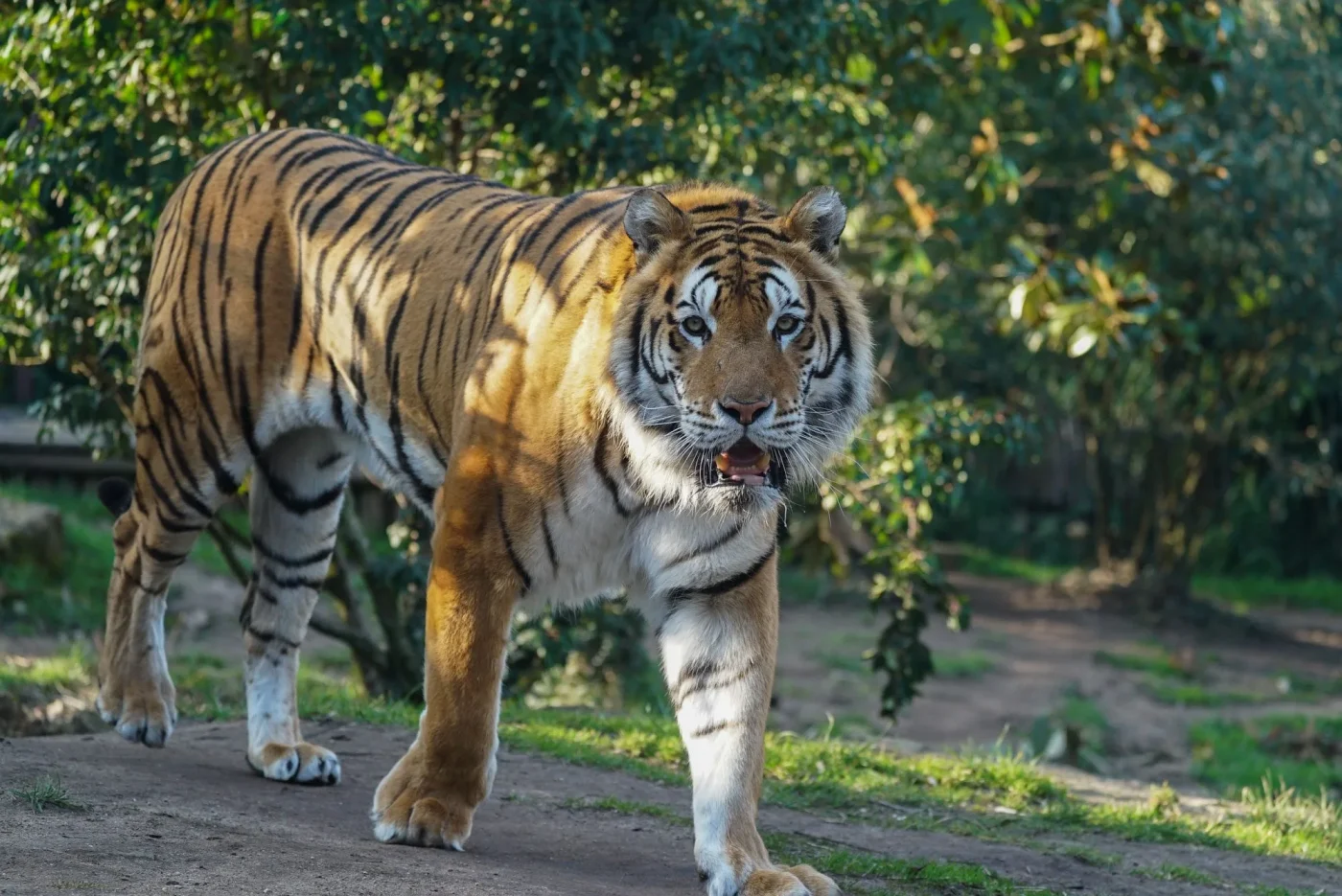
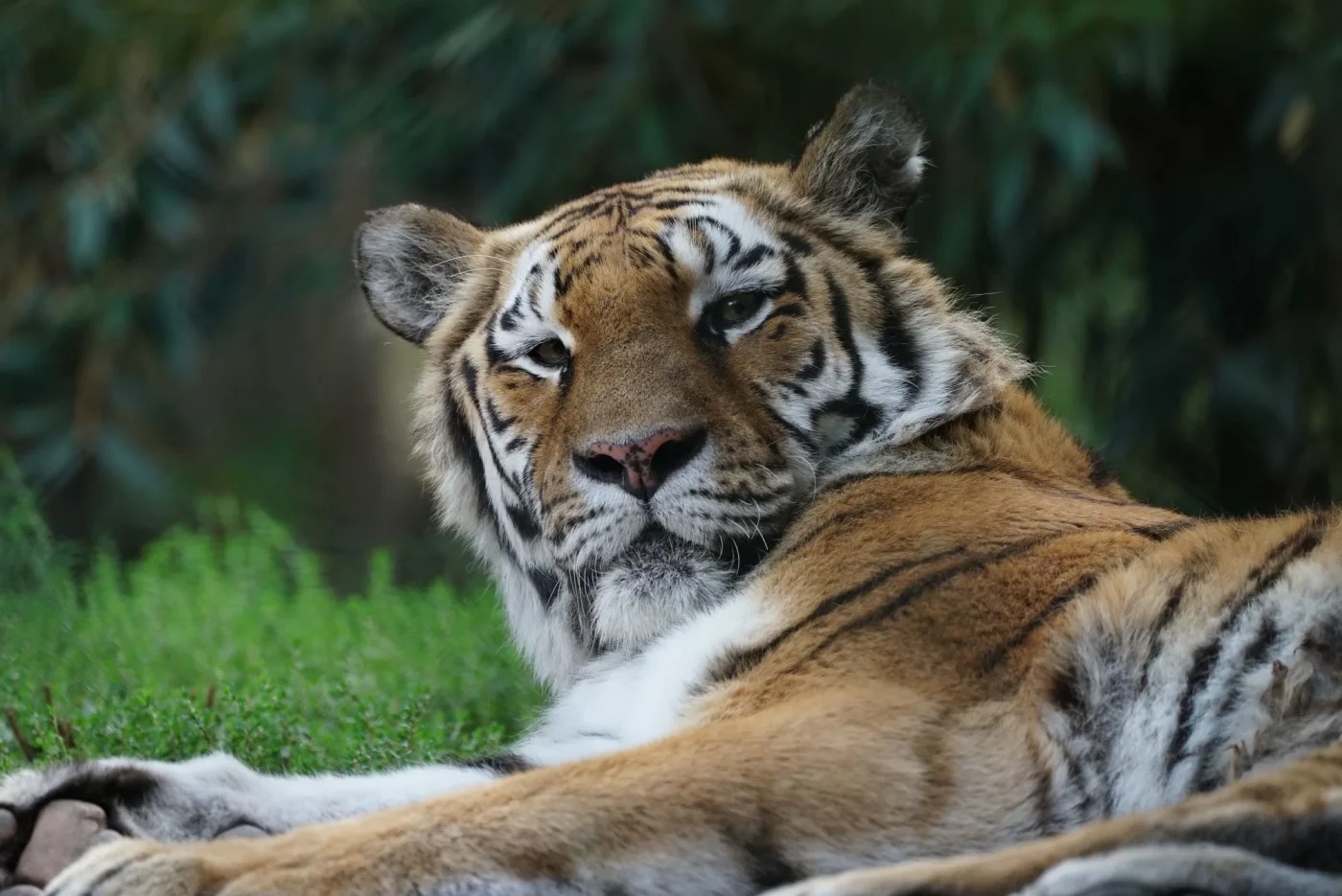
Weighing up to 300 kg, the Siberian tiger is not only the largest of the 6 subspecies of tiger, but also the largest of all wild cats. Its massive size is an adaptation to the harsh Siberian winter, during which temperatures can reach -40°C. In fact, a large and stocky animal with thick fur will retain its body heat more easily. It also has lighter fur with more widely spaced stripes than other tiger subspecies living further south in Asia.

Historically, it was accepted that there were 9 subspecies of tigers on Earth, 6 still present and 3 extinct:

  • P. t. altaica : the Siberian tiger or Amur tiger in Siberia and northeast China.
  • P. t. amoyensis : the South China tiger present only in captivity and certainly extinct in the wild.
  • P. t. corbetti: the Indochinese tiger in Cambodia, China, Laos, Malaysia, Myanmar, Thailand, and Vietnam
  • P. t. jacksoni : the Malayan tiger on the Malay Peninsula
  • P. t. sumatrae : the Sumatran tiger on the island of Sumatra
  • P. t. tigris : the Bengal tiger in India, Bangladesh, Nepal, Bhutan, and China
  • P. t. balica: the Bali tiger on the island of Bali (extinct)
  • P.t. sondaica : the Javan tiger on the island of Java (extinct)
  • P.t. virgata : the Caspian tiger in the west of the Asian continent (extinct)

These subspecies are different from each other. For example, the Siberian tiger is the largest of all, as a male can measure up to 3.7 meters long and weigh more than 420 kilograms. Conversely, the Sumatran tiger is the smallest, with a male measuring at most 2.4 meters long and weighing 136 kilograms.

However, recent studies based on morphology, ecology, and molecular analysis have suggested the existence of only 2 subspecies of tiger on Earth:

  • P.t. tigris : this subspecies includes virgata, altaica, amoyensis, corbetti, and jacksoni, present on the Asian continent and Malaysia.
  • P.t. sondaica: this subspecies includes balica and sumatrae, present on the islands of Java, Bali, and Sumatra

This disagreement in the number of tiger subspecies is due to the small genetic samples. Therefore, the taxonomy of this species is still being studied by the IUCN cat specialist group.

This content continues with other non-FAQ sections and images…



Weight

150 to 300 kg

Habitat

Russian boreal forest

Diet

Carnivore

Gestation

95 to 110 days

Longevity

10-12 years in the wild. Up to 20 years in captivity

Longevity

12-17 years

Location

Eastern Siberia, in northeastern China and Korea, as well as along the Sea of Japan
Frequently Asked Questions

Where does the tiger live?

Historically, the geographical range of tigers extended from Turkey to the Pacific Ocean. However, nowadays tigers have disappeared from most of the regions they used to inhabit. As a result, they can be found in a wide variety of habitats such as tropical forests, dry forests, oak forests, mangroves, or even tall grass jungles. These felines can cope with significant climatic variations since they are found in both hot, humid areas and in zones where temperatures can drop to -40°C.

What does it eat?

Tigers tend to hunt in the early morning and late afternoon when their favorite prey, the ungulates, are also active. However, the tiger is capable of hunting a wide range of prey. Its menu includes deer, buffaloes, domestic animals, as well as bears, young Indian rhinoceroses, tapirs, panthers, crocodiles, turtles, fish, and even porcupines. Studies suggest that they hunt more thanks to hearing and sight than by smell. A stealthy and silent crawl close to the ground under the cover of vegetation allows the tiger to set up an ambush for its target. It unbalances its prey by jumping on it and then bites at the throat to crush the windpipe and suffocate it. If the prey is smaller, it bites directly at the nape of the neck to break the spinal cord. The tiger is an efficient hunter, but only about 1 in 10 attacks is successful. Therefore, when it catches a large prey, it is not uncommon to see it consume up to 40 kg of meat since it is not guaranteed to eat the next day.

The tiger is a vital species for maintaining the balance of the ecosystem in which it lives. As a super-predator, it regulates herbivore populations.

The tiger has no predator except itself, as it can attack the young, and humans.

Behavior

These solitary felines are active both during the day and at night. Tigers are excellent swimmers and eagerly swim to cross a river. In fact, they can swim 6 to 8 kilometers without any problem. Despite their size, their powerful legs allow them to be excellent climbers and to make jumps of 8 to 10 meters! They can travel between 16 and 32 kilometers per day.

The size of the territory depends on the quantity of prey; the higher the density, the smaller the territory. On average, a female’s territory ranges between 200 and 1,000 square kilometers, while a male’s can be 2 to 15 times larger! Within this vast zone, there are several shelters (caves, hollow trees, etc.). The boundaries are marked using different marks. There are scent markers such as urine or droppings that are then left on trees, rocks, or directly on the ground. Also, the tiger marks the environment visually using its claws.

Some individuals fiercely defend their domain, while others coexist without conflict. It can even happen that some individuals move around constantly.

Individuals also communicate with each other through facial expressions and vocalizations. There are many types of vocalizations such as roaring, growling, meowing, hissing, and whimpering.

Reproduction strategy

Tigers only meet for reproduction, and it is not uncommon to see fights between males for access to a female in heat. Females are in heat for 3 to 6 days and this cycles every 3 to 9 weeks. There is no true breeding season, but there is a peak between November and April. After a gestation period of about 103 days, the female gives birth to 1 to 7 cubs, with an average of 2 to 3. Tiger cubs are born blind and deaf and weigh only between 780 and 1,600 grams. They will not open their eyes or be able to hear until they are around 2 weeks old. From the age of 2 months, they start to follow their mother and begin to taste meat. They are completely weaned by around 3 months old. The cubs start to practice stalking, attacking, and killing prey at about 5 months of age. This learning, which can take up to 3 years, is very important because it determines their ability to survive. Only the mother takes care of the cubs, so she must increase her hunting success rate by 50% to ensure both her and her young’s survival. The young become independent between 18 months and 3 years, which is why a female only reproduces every 3 to 4 years. The survival rate of the young is 50%. Females reach sexual maturity around 3 to 4 years, while males do so only around 4 or 5 years. In the wild, tigers live between 8 and 10 years, but it is not uncommon to see individuals nearly 20 years old. In captivity, their lifespan is extended, and they live on average 16 to 18 years.

What is it threatened by?

The tiger is endangered. Estimates, across all subspecies, state that there are only 2,154 to 3,159 individuals left. The threats specific to tigers vary depending on the region, but human persecution, poaching for traditional Chinese medicine, habitat destruction for palm oil agriculture, logging, and urbanization threaten tiger populations.

Siberian, South China, and Sumatran tigers are critically endangered. Bengal and Indochinese tigers are threatened. Bali, Javan, and Caspian tigers have already disappeared.

In Asia, forests are cut down to be converted into oil palm plantations. The harvested palm oil is used in many industrial products. These oil palm plantations provide no food for wild species, forcing them to move farther and farther away. These uninhabitable areas create natural barriers between different tiger populations. The big cats can no longer meet. Populations are isolated from one another and individuals end up breeding with each other, which creates inbreeding, leading to the decline of the species.

Regarding the Siberian tiger...

Weighing up to 300 kg, the Siberian tiger is not only the largest of the 6 subspecies of tiger, but also the largest of all wild cats. Its impressive size is an adaptation to the harsh Siberian winter, during which temperatures can reach -40°C. In fact, a large, stocky animal with thick fur will retain its body heat more easily. It also has lighter fur with wider stripes than other subspecies of tigers living further south in Asia.

Siberian tigers mainly live in the birch forests of eastern Russia, in the far northeast of China along the Sea of Japan, and in North Korea.

Other animals to discover