Panthera uncia

Snow leopard

Order: Carnivorea / Family: Felidae / Genus: Panthera

What is a snow leopard?

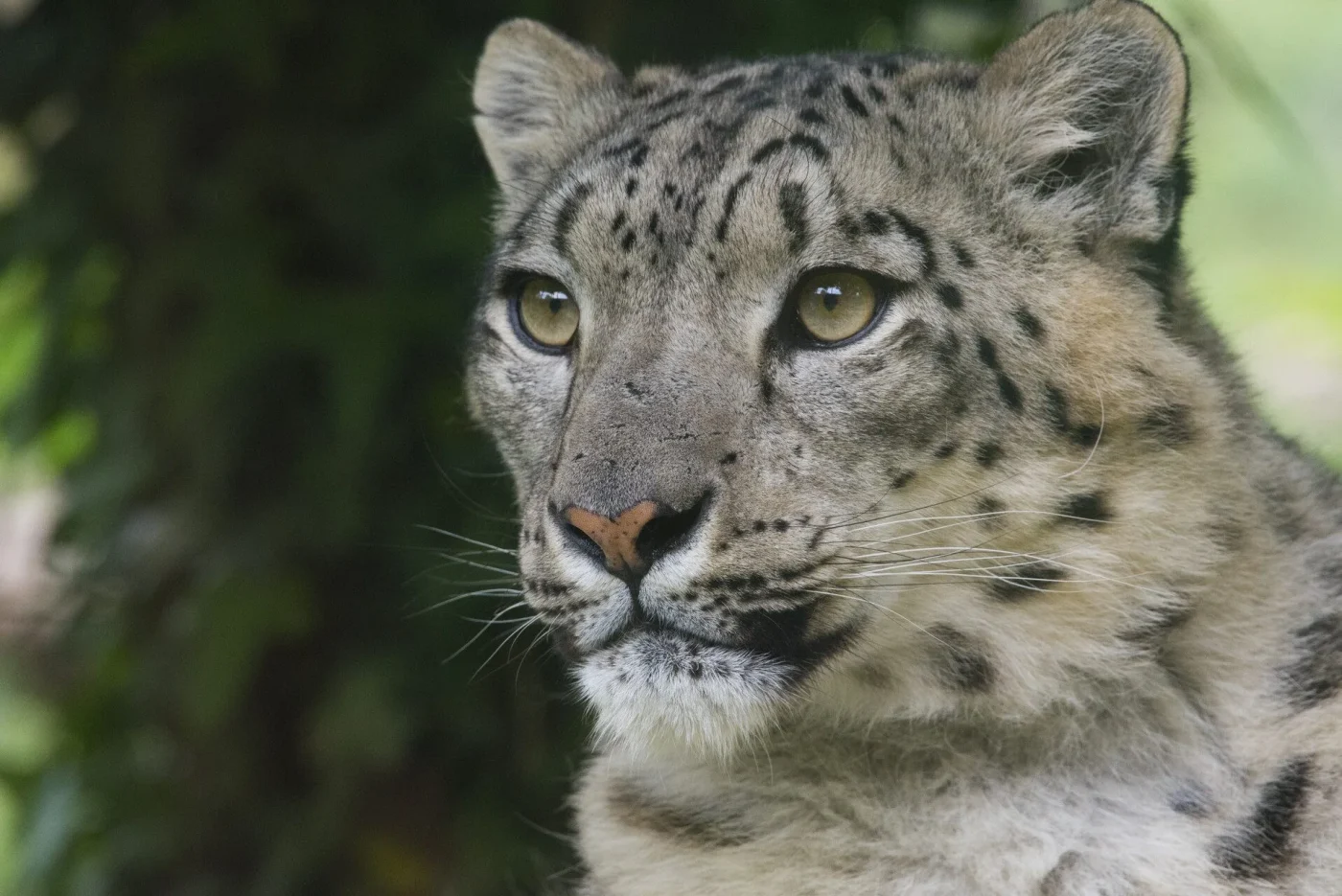
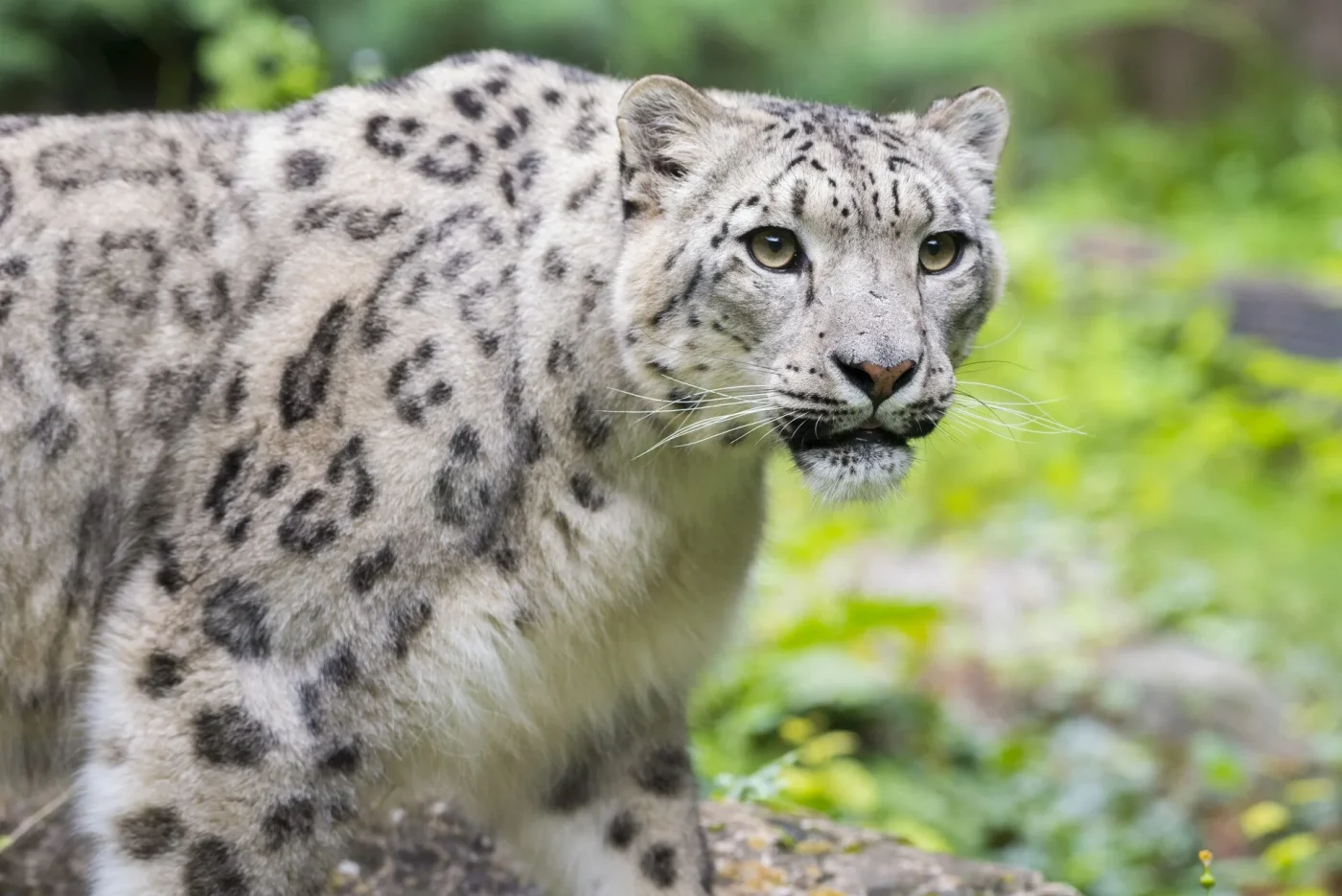
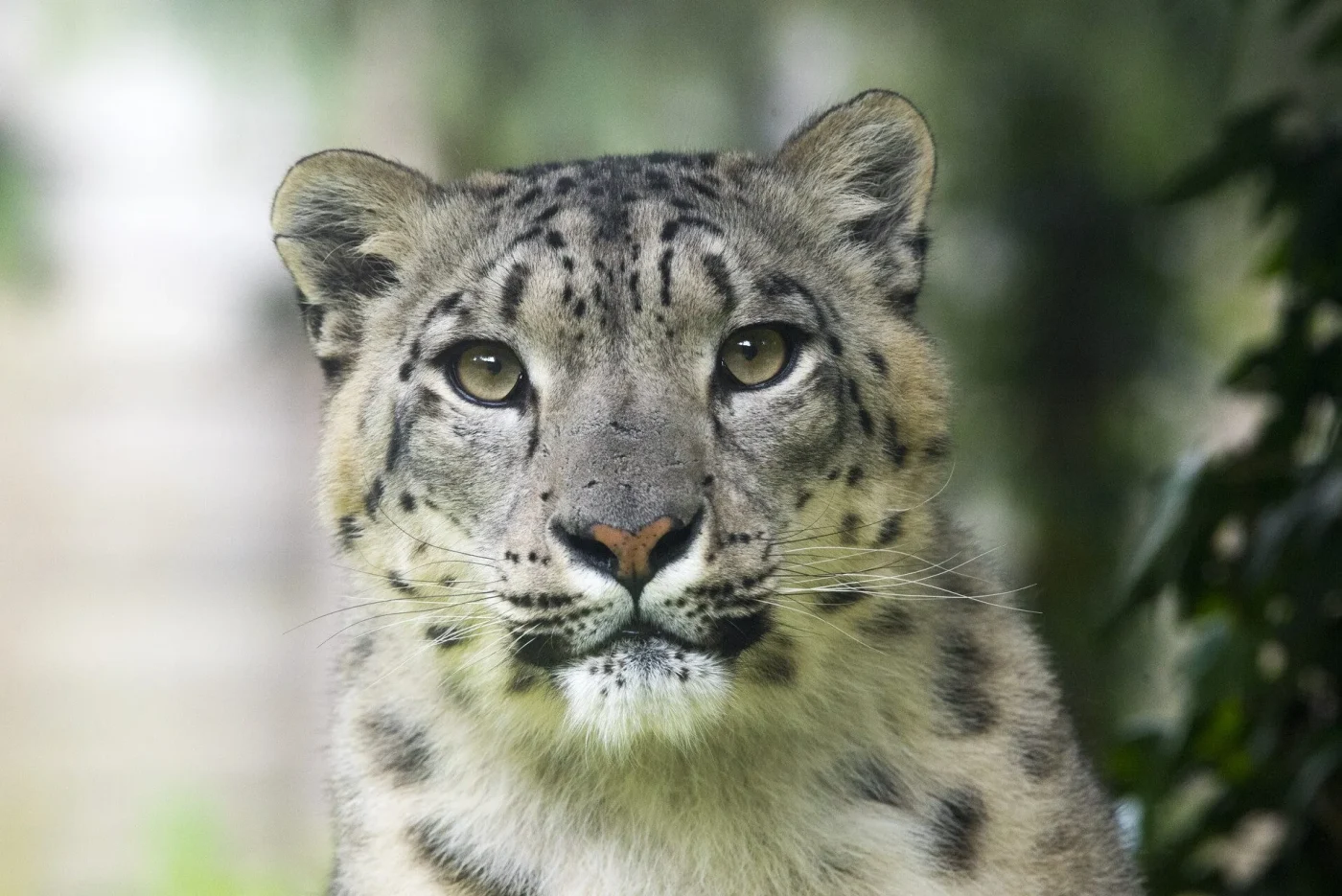
The snow leopard has a dorsal coat ranging from dark or light gray to cream, scattered with black rosettes. The ventral part is white and free of spots. The gray color of its coat provides perfect camouflage among rocks and snow. This fur becomes particularly long and dense in winter and is made up of a woolly undercoat that protects it against temperatures that can reach as low as -40°C. It can reach 5 cm on the body, 6 cm on the tail, and nearly 12 cm on the belly.

The snow leopard is also characterized by its long, bushy tail, which can measure almost 1 meter—equivalent to 75 to 90% of the body length. It uses it as a counterbalance to keep its balance when moving across steep terrain and can also use it like a scarf, wrapping itself up to stay warm.

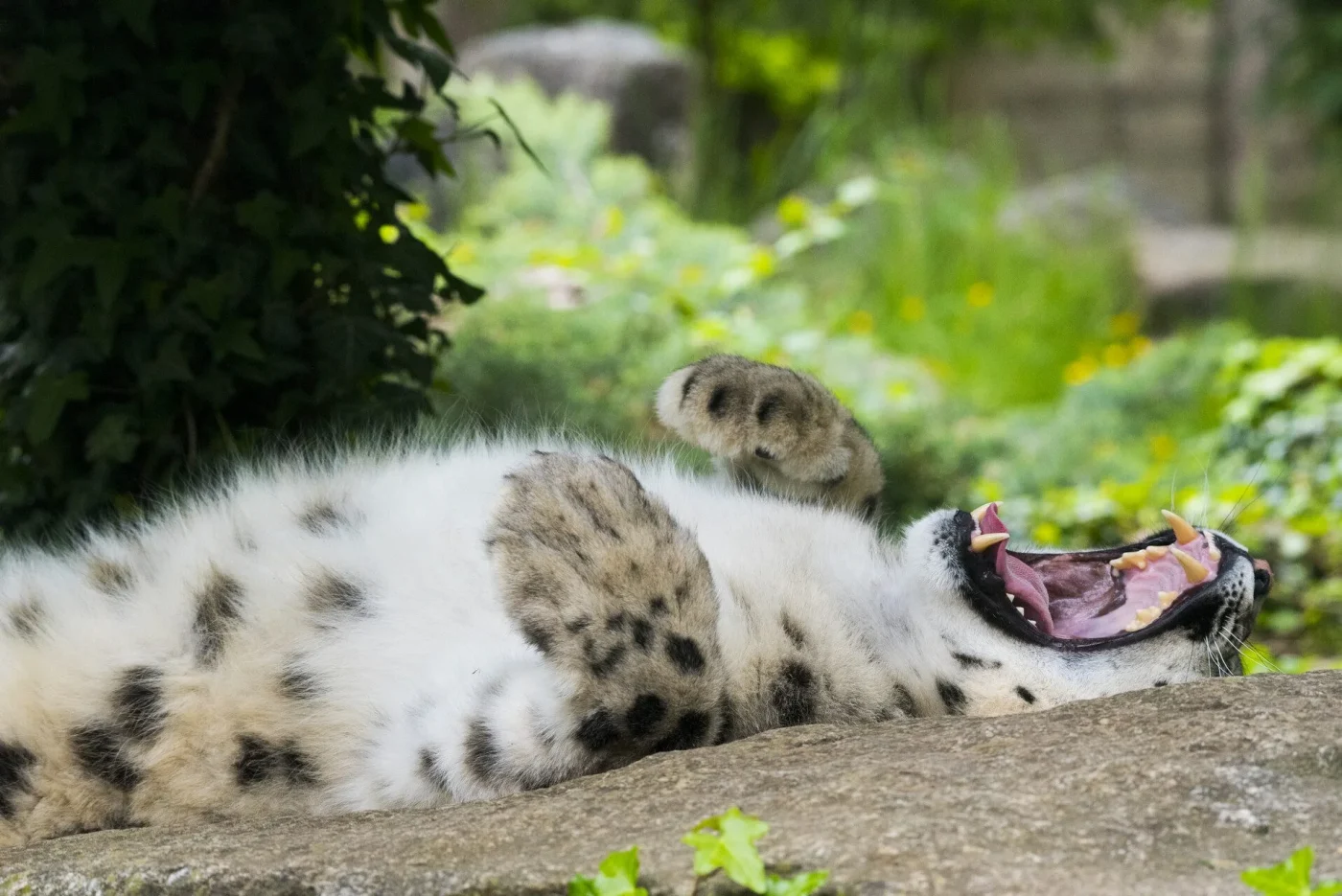
Its ears are smaller than those of other felines, which helps limit heat loss. Additionally, its wide paws allow it to move without sinking into the snow. The relatively long hind legs allow for jumps of 4 meters high and 10 meters long.

Weight

25 - 75 kg

Habitat

Mountains

Diet

Carnivore

Gestation

90 - 105 days

Longevity

15 - 20 years

Longevity

12-17 years

Location

Mountains of the Himalayas and Central Asia in Mongolia, China, and Russia
Frequently Asked Questions

Where does the snow leopard live?

The snow leopard inhabits the mountains of the Himalayas as well as the mountain ranges of Central Asia in Mongolia, China, and as far south as Russia. Today, 60% of the wild snow leopard population is found in China, particularly in the Xinjiang region and the provinces of Sichuan, Qinghai, and Gansu, as well as in Tibet. It lives in both rugged rocky terrains and grasslands and coniferous forests between 900 and 5,500 meters in elevation.

Behavior

This panther is solitary and crepuscular by nature; it is mostly active in the morning and evening. Each one has a vital territory that it marks with visual cues such as scratches or olfactory markers like urine, excrement, or by rubbing its head against surfaces. Through these markings, the panther informs its peers of its reproductive status and other biological information. Thanks to this, they avoid crossing paths and thus avoid conflicts.

Unlike other big cats, snow leopards are unable to roar; instead, they produce high-pitched vocalizations and snorts from their nostrils.

Reproduction strategy

The male and the female only meet in winter during the breeding period. As soon as the female is in heat, she emits powerful vocalizations to alert the surrounding males. In addition, the hormones present in her urine indicate to the males her availability for reproduction. After a gestation of about 100 days, 1 to 5 young, each weighing 300 to 600 grams, are born in a rocky shelter arranged by the mother with fur from her coat. The young are weaned at around 5 months old but remain dependent on the mother for 1 year. During this period, the females do not meet any males, which means they reproduce only once every two years.

Sexual maturity is reached between 2 and 3 years for females and around 4 years for males.

What does she eat?

The snow leopard is an opportunistic carnivore and hunts a wide range of prey: chamois and other mountain goats, deer, wild boar, and antelopes. It is capable of killing yaks that weigh up to four times its own weight. If large herbivores are scarce, it settles for marmots, hares, rodents, or birds. Its favorite hunting method is to track the prey and then hide above in rocks or trees in order to pounce on it.

Snow leopards are super predators, which means they are at the top of the food chain and have no predators. In addition, they play a role in regulating species located further down the chain.

Conservation

The world population is estimated to be between 4,080 and 6,500 individuals. Over the past 20 years, the population has decreased by at least 20% due to human activities. Excessive human hunting causes a significant decrease in the number of prey in the ecosystem. Panthers are then forced to turn to other animals such as livestock. This leads to conflict with farmers who do not hesitate to kill them to protect their livestock. This panther is also poached for its fur and bones, which are used in traditional Chinese medicine. In addition to the destruction and fragmentation of its habitat, climate change has emerged as a new threat.

Organizations therefore intervene locally with the local population and schools to raise awareness about the importance of this species and the interest in protecting it. Living in isolated regions that are almost inaccessible to humans, it is difficult to accurately monitor snow leopard populations. Camera traps have therefore been set up, allowing photos to be taken of each individual passing by. Thanks to the unique coat patterns of each individual, it is possible to record how many snow leopards have passed through there!

This species is a flagship species since it helps increase support for the conservation of high altitude biodiversity.

Other animals to discover