Aonyx cinereus

Asian small-clawed otter

Order: Carnivora / Family: Mustelidae / Genus: Aonyx

What is an Asian small-clawed otter?

n

The otter is part of the mustelid family, so it is related to weasels, badgers, polecats, and minks. There are 13 species of otters in total, found on all continents except Australia and Antarctica. The Asian small-clawed otter, also known as the Asian dwarf otter, is the smallest of all otter species. It measures between 16 and 24 inches and weighs 4 to 11 pounds. By comparison, the giant otter can reach up to 71 inches long and around 66 pounds.

n

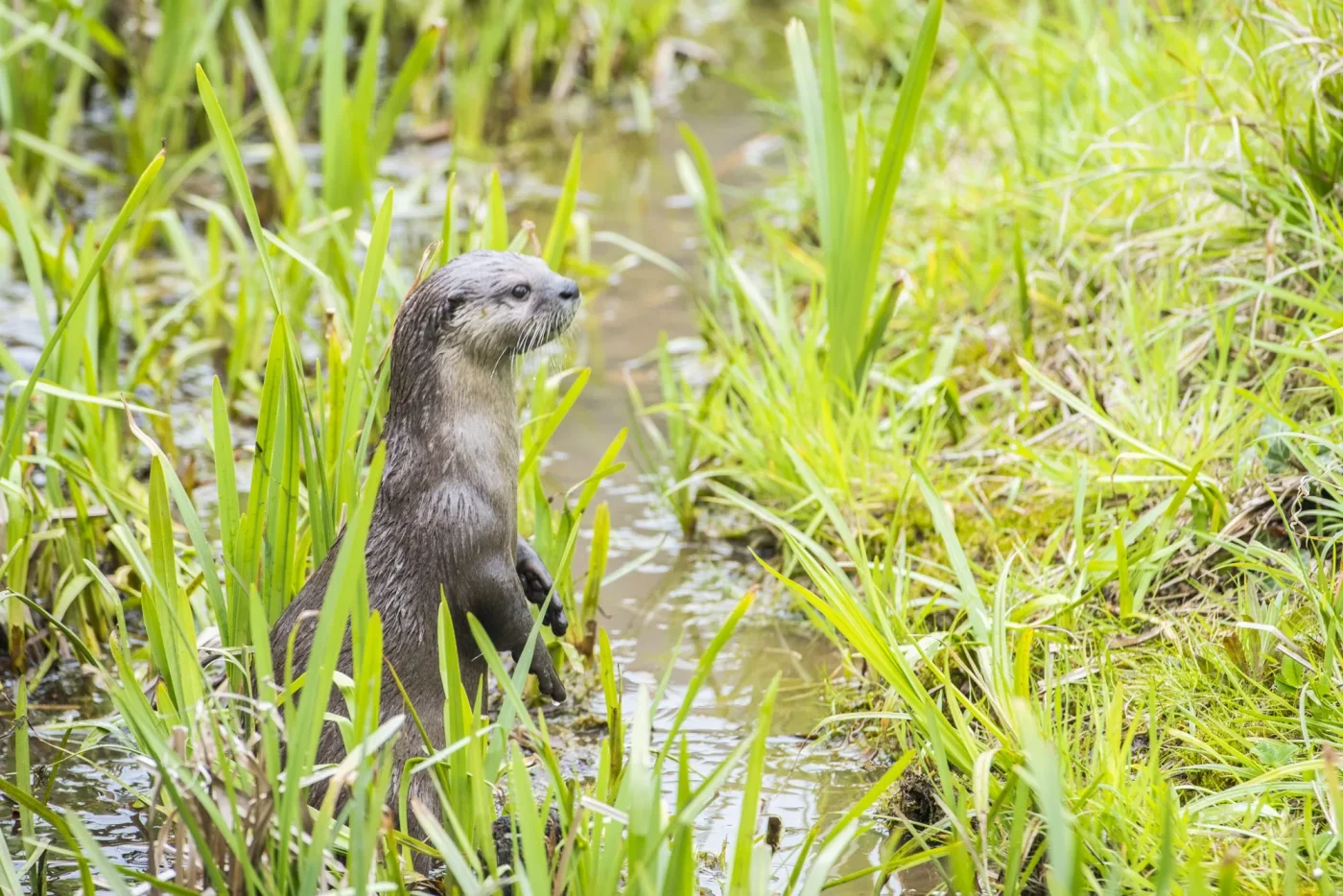
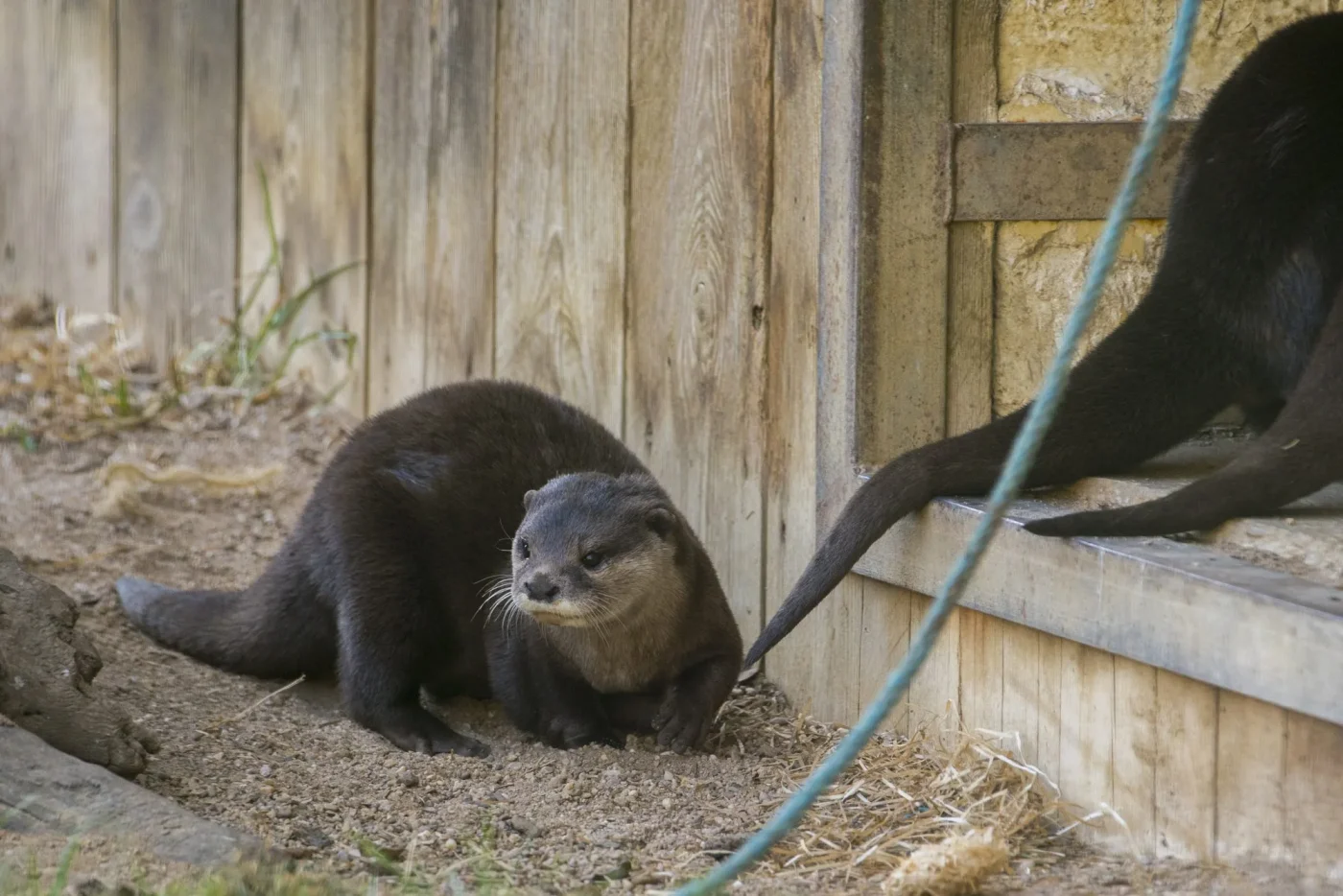
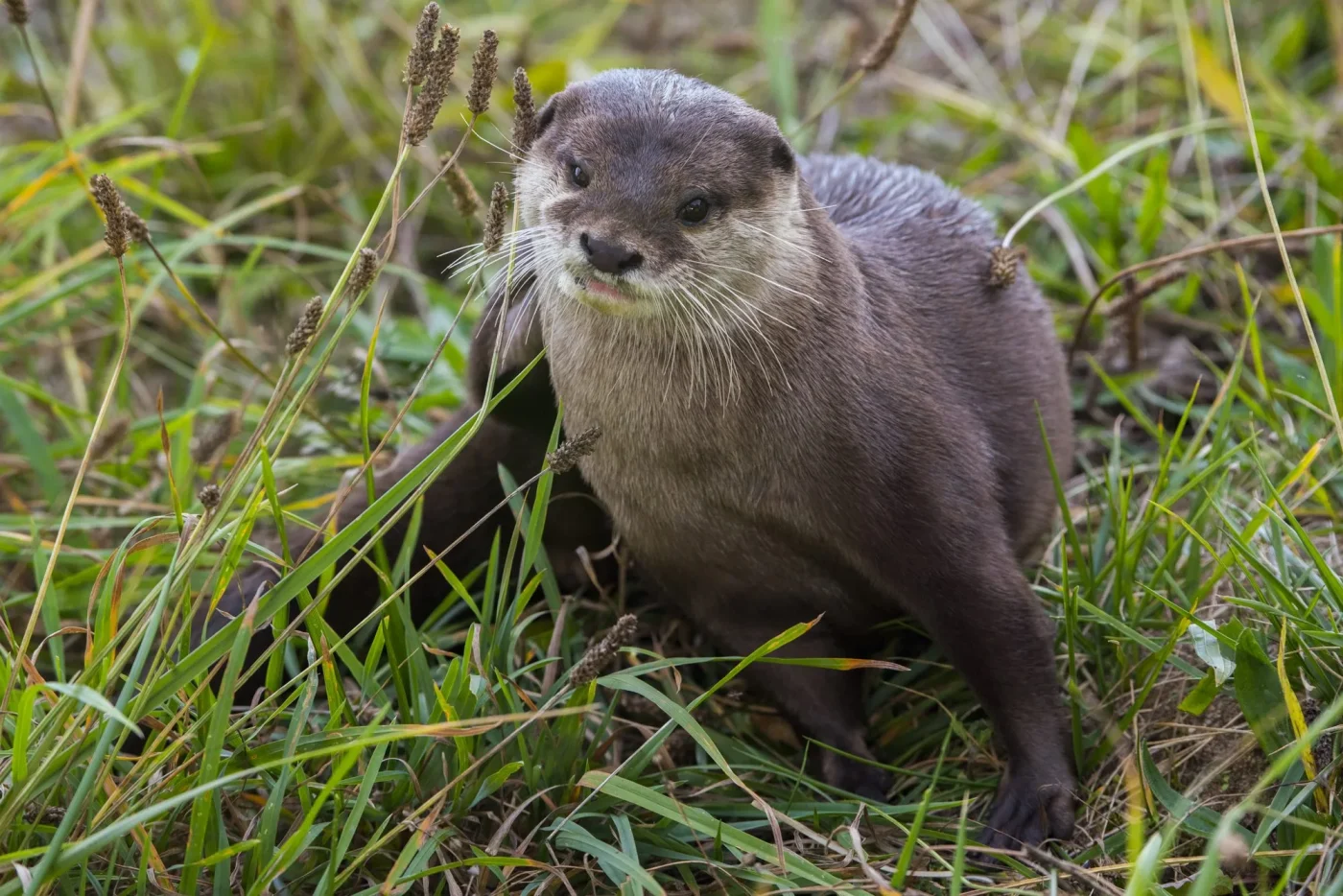
The Asian small-clawed otter is brown on the upper part of the body and the upper part of the head. The belly and the lower part of the head are light in color. Its fur is very dense and made up of two layers of hair. The upper layer consists of hairs that keep it dry, while the lower layer is made up of finer hairs that help preserve body heat. To maintain its coat, the otter regularly engages in grooming sessions. The paws have very short claws and are semi-webbed, allowing them to move easily on land as well as swim quickly in water. This also gives them much better manual dexterity compared to other otter species that have fully webbed feet.

Weight

2.5 to 5.5 kg

Habitat

Tropical forest, freshwater aquatic environments

Diet

Carnivore

Gestation

2 months

Longevity

10–15 years

Longevity

12-17 years

Location

India, southern China, Southeast Asia, Indonesia, Malaysia, Philippines
Frequently Asked Questions

Where does the Asian small-clawed otter live?

Asian small-clawed otters are found in India, southern China, and Southeast Asia, including Indonesia, Malaysia, and the Philippines. They inhabit streams, freshwater rivers, and coastal areas, where they enjoy digging their dens in muddy riverbanks. Some populations have also been observed in marshes, rice paddies, and mangroves.

Reproduction strategy

In Asian small-clawed otters, reproduction can occur throughout the year. Shortly before birth, the male and female build a cozy nest together in preparation for the arrival of the newborns. Up to twice a year, the female gives birth to a litter of 1 to 6 pups. At birth, they weigh only 50 grams and have their eyes closed for about 40 days. By 3 months old, they start to swim and gradually eat solid food. The parents, as well as other young members of the group, participate in raising the pups.

What does it eat?

Carnivorous, these otters hunt both on land and in the water. Their meals consist of small mammals, fish, amphibians, and invertebrates. When hunting in the water, their sensitive whiskers, called vibrissae, are especially useful for detecting the movements of nearby prey. Unlike other otter species, the Asian small-clawed otter tends to catch some of its prey with its paws rather than directly with its teeth. They also enjoy digging in the soil in search of crustaceans and shellfish, which they can easily crunch with their strong jaws. However, the oldest and most experienced individuals prefer to place the shellfish in the sun and wait for them to open by themselves.

This animal has a high metabolic rate, so it digests its food quickly. Thus, to cover the energy it spends, the Asian small-clawed otter must consume the equivalent of about 20% of its body weight per day.

Asian small-clawed otters can be preyed upon by crocodiles or snakes.

Behavior

They are social animals, mostly active during the day. They are often seen playing brilliantly on muddy banks and in the water. Family groups count about a dozen individuals and are made up of a pair that stays together for life accompanied by their young from several generations. The females are dominant, with the mother at the top of the hierarchy. The father is even dominated by his own daughters. All these animals live in a den, called the catiche. This shelter is dug by the pair near a watercourse and some plant cover.

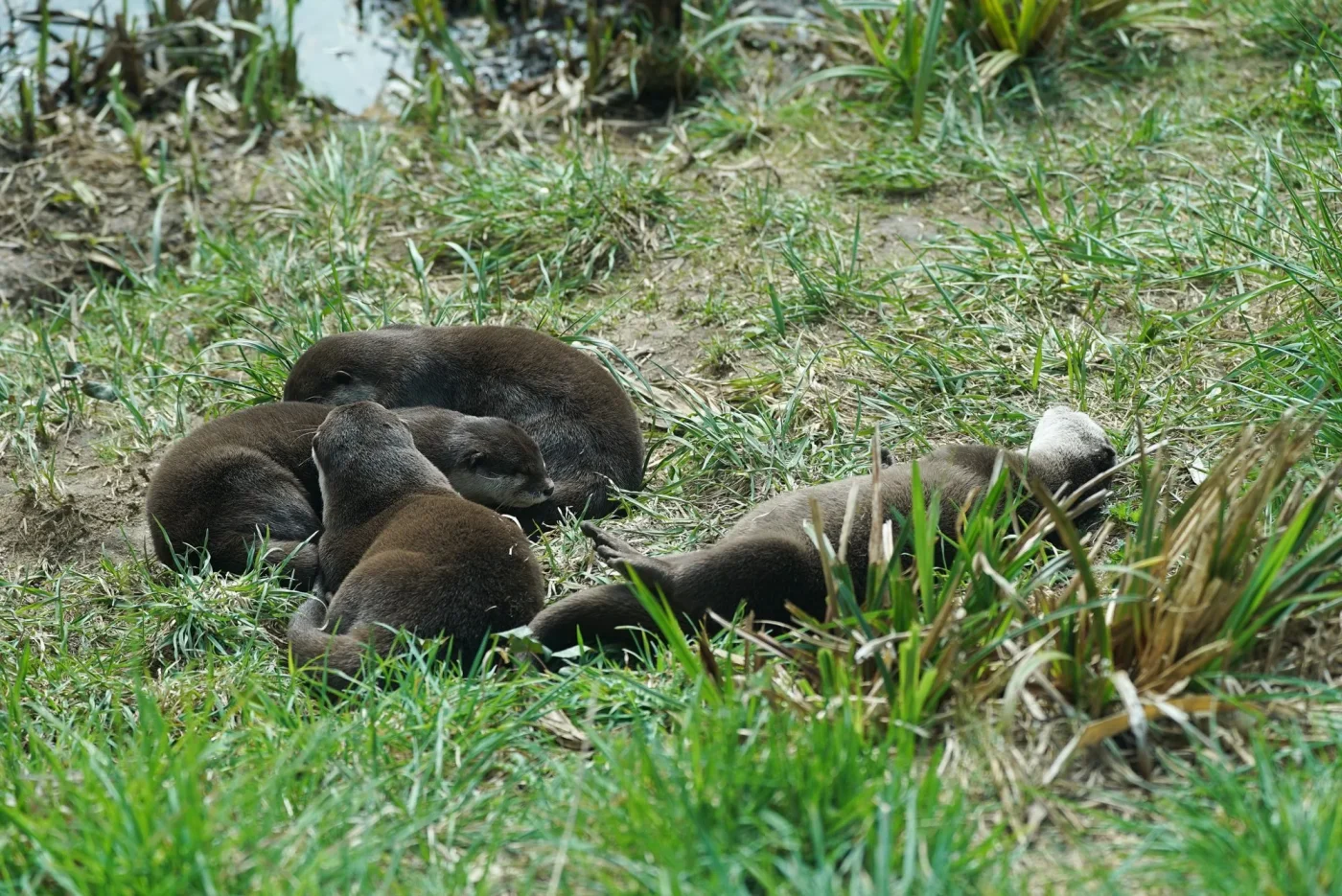
To communicate, these otters use many vocalizations, postures, and scent marks. Twelve cries, more or less shrill, have been identified. To strengthen bonds among group members, these otters like to groom, play, and rest together. In addition, they mark their territory with spraints, the special name given to otter droppings, which contain food remains such as fish bones or pieces of crab for example.

Conservation

These otters are threatened by the destruction of their habitat but also by pollution that affects watercourses. For example, in water, plastic releases harmful molecules for the environment and health, like bisphenol-A (BPA), which causes sterility.

Additionally, the small-clawed otter is still hunted for its fur and has become increasingly attractive as a pet. In many Asian countries, otters are now seen for sale in pet shops or displayed in otter cafes. It is estimated that over 30% of the small-clawed otter population has disappeared in the last 30 years.

Life at the park

At the Amnéville Zoo, our group consists of two females. They live alongside our orangutans and our white-handed gibbons, whom they enjoy teasing by pulling their hair. It is not uncommon to see them scampering around with stones in their paws to have fun juggling.

Other animals to discover