What is an Arctic wolf?
Indeed, these 38 subspecies have characteristics that allow them to survive in the environments where they live. Males can weigh between 30 and 80 kg for a size between 1 and 1.30 meters, including the tail. Females, on the other hand, weigh between 23 and 55 kg for a size between 87 cm and 1.20 m. Wolves have a height that can range between 60 and 90 cm. The colors of individuals vary depending on the environment where the subspecies evolve. For example, northern subspecies have lighter coats. Subspecies further south have coats whose colors range from brown, gray, to black. In general, individuals from subspecies originating from northern regions are usually more robust. Its jaw has 42 teeth and its strength is estimated at 150 kg/cm².
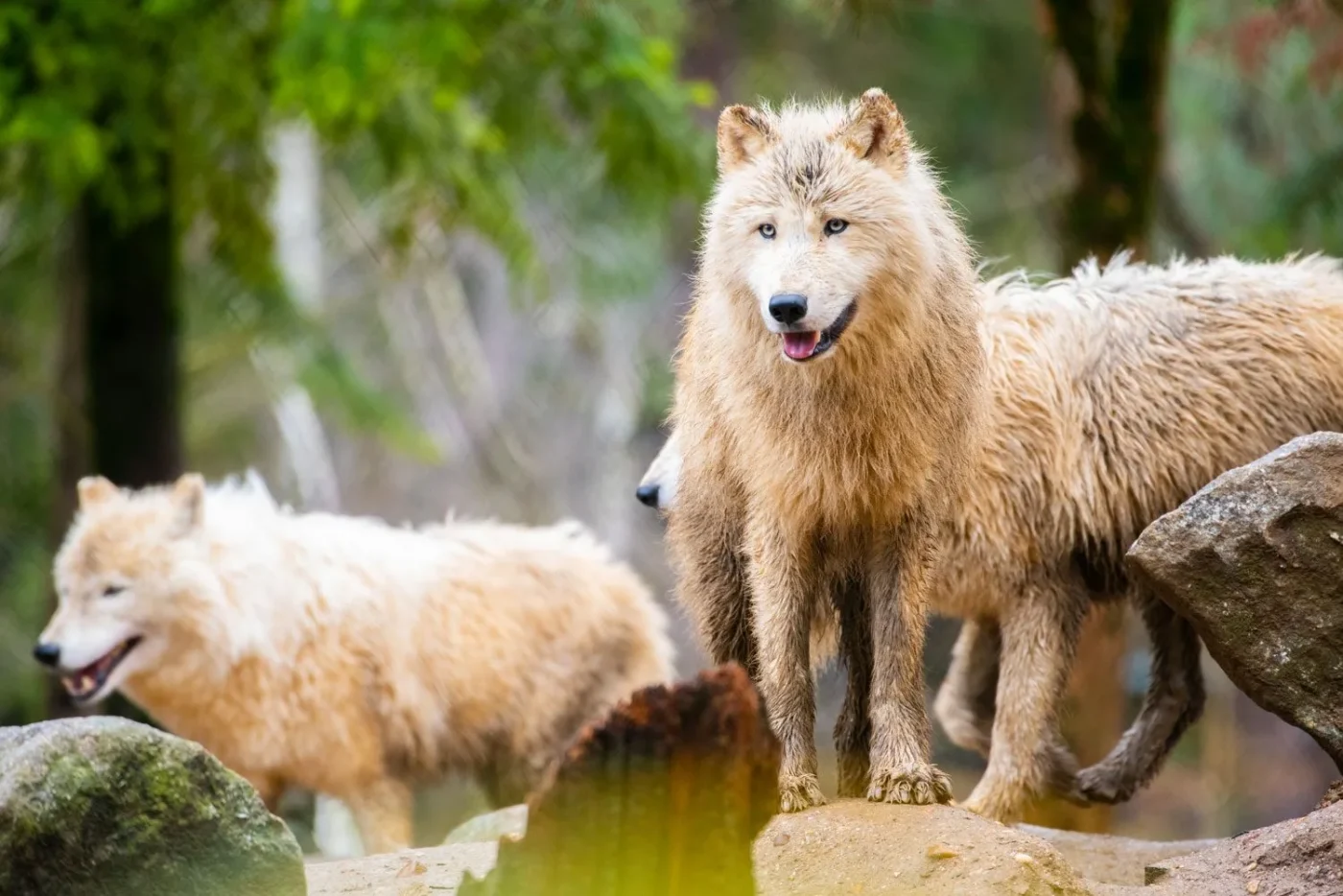
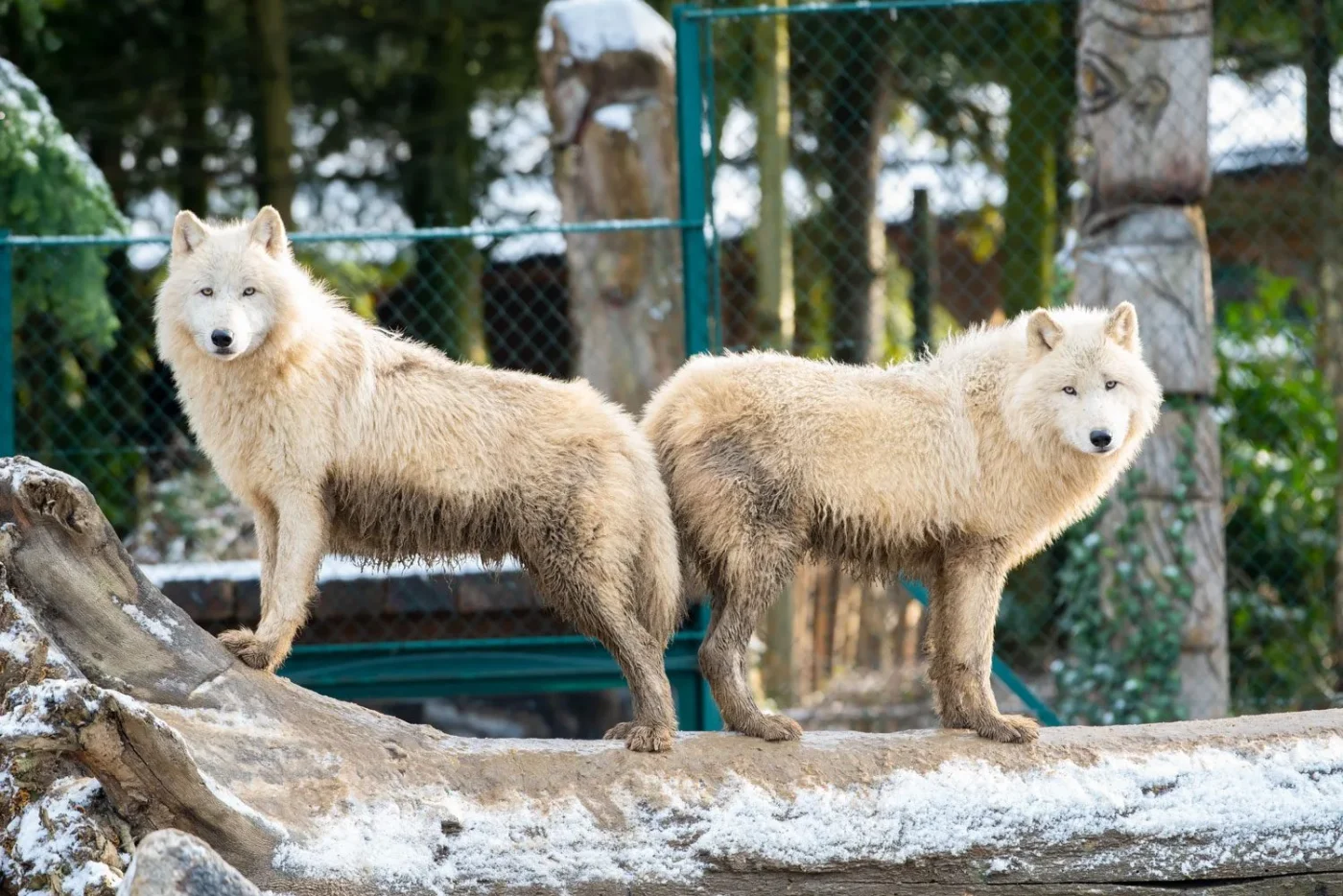
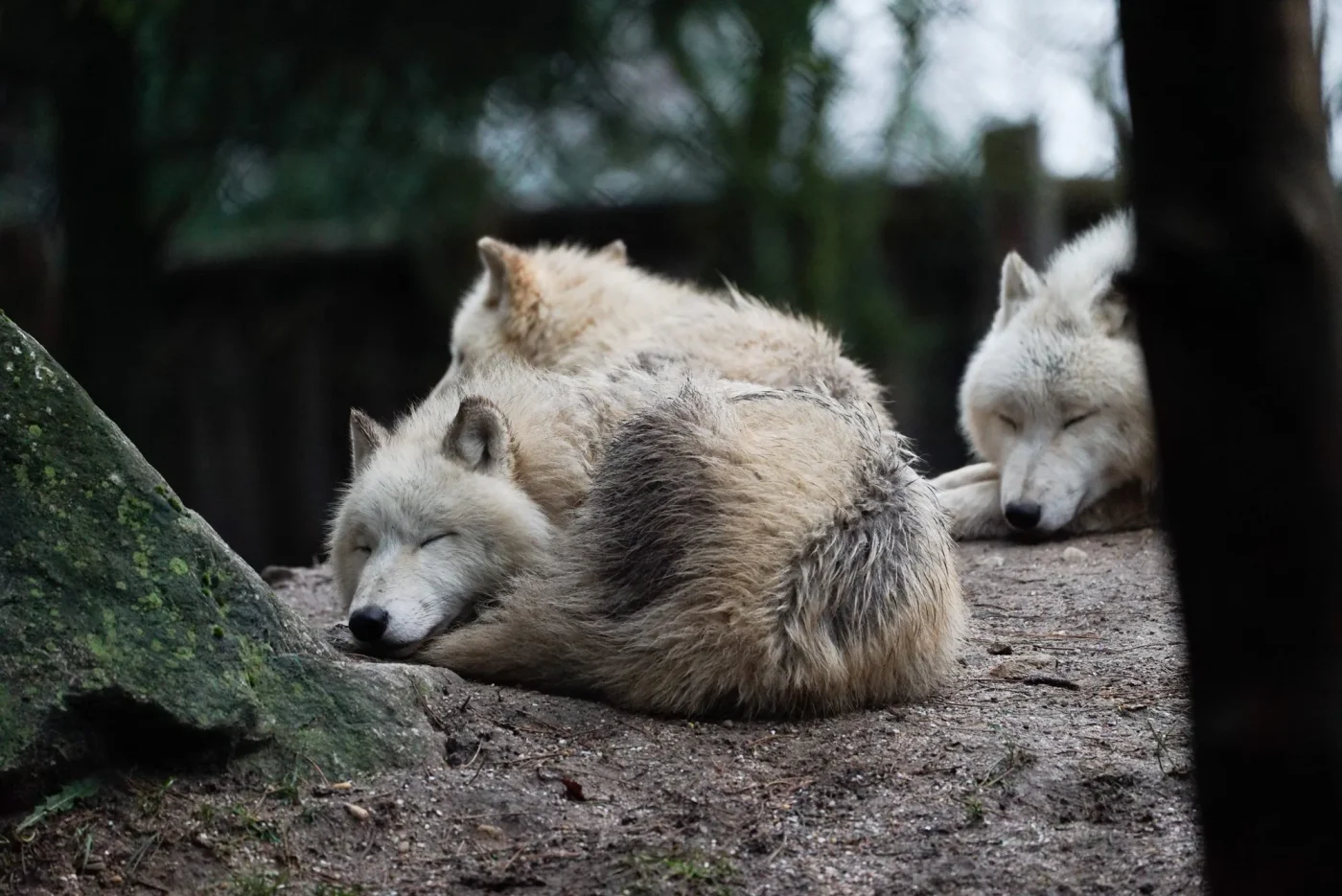
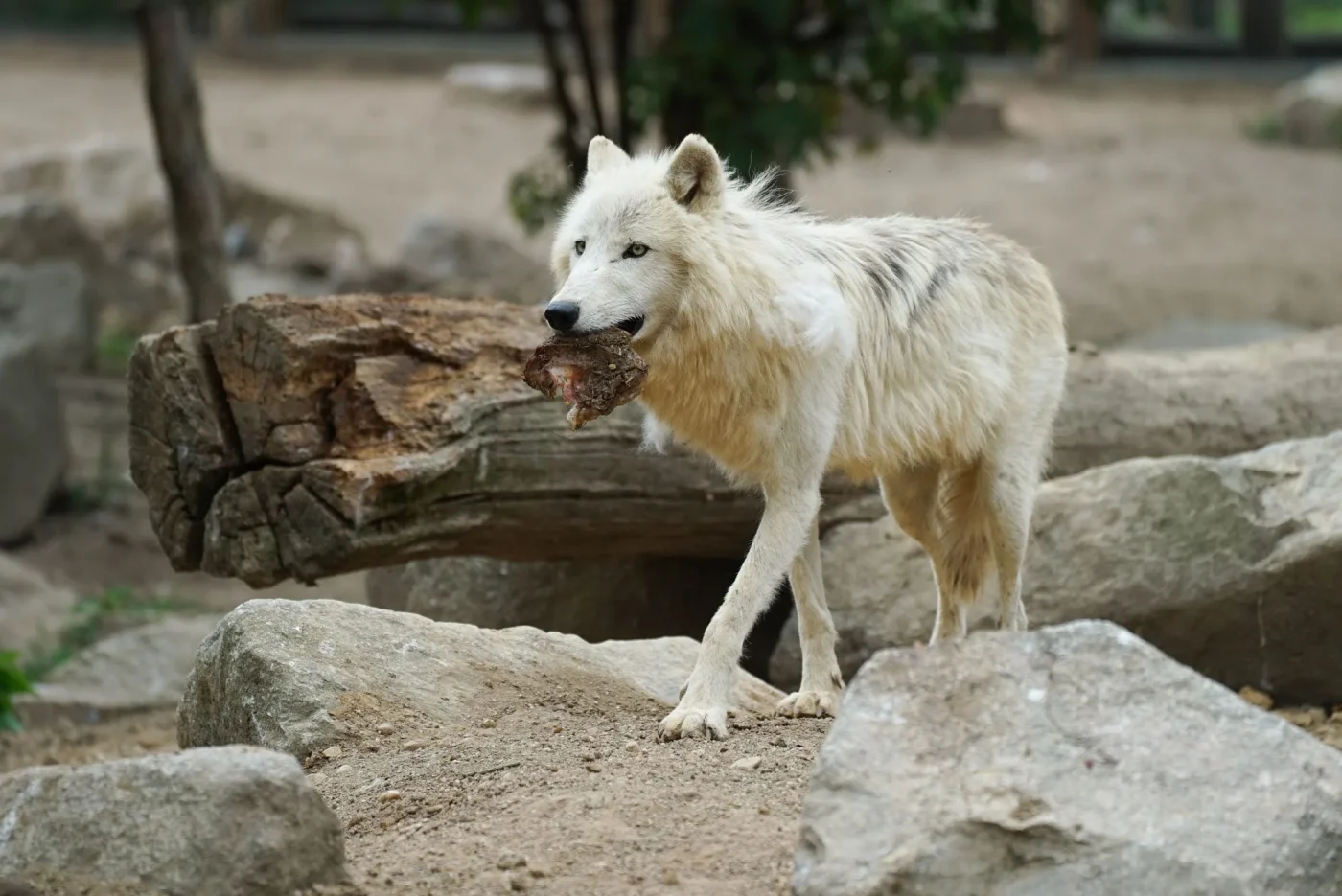
Arctic wolves have white fur and weigh an average of 45 kg. Their coat is made up of two layers of fur. During the winter season, the arctic wolf has a very dense undercoat that insulates it from the cold. The outer coating protects them from potential injuries. In the warmer season, the wolf sheds its winter coat and then has a ruffled fur that can appear yellowish.