Lycaon pictus

African wild dog

Order: Carnivore / Family: Canidae / Genus: Lycaon

What is a painted wolf?

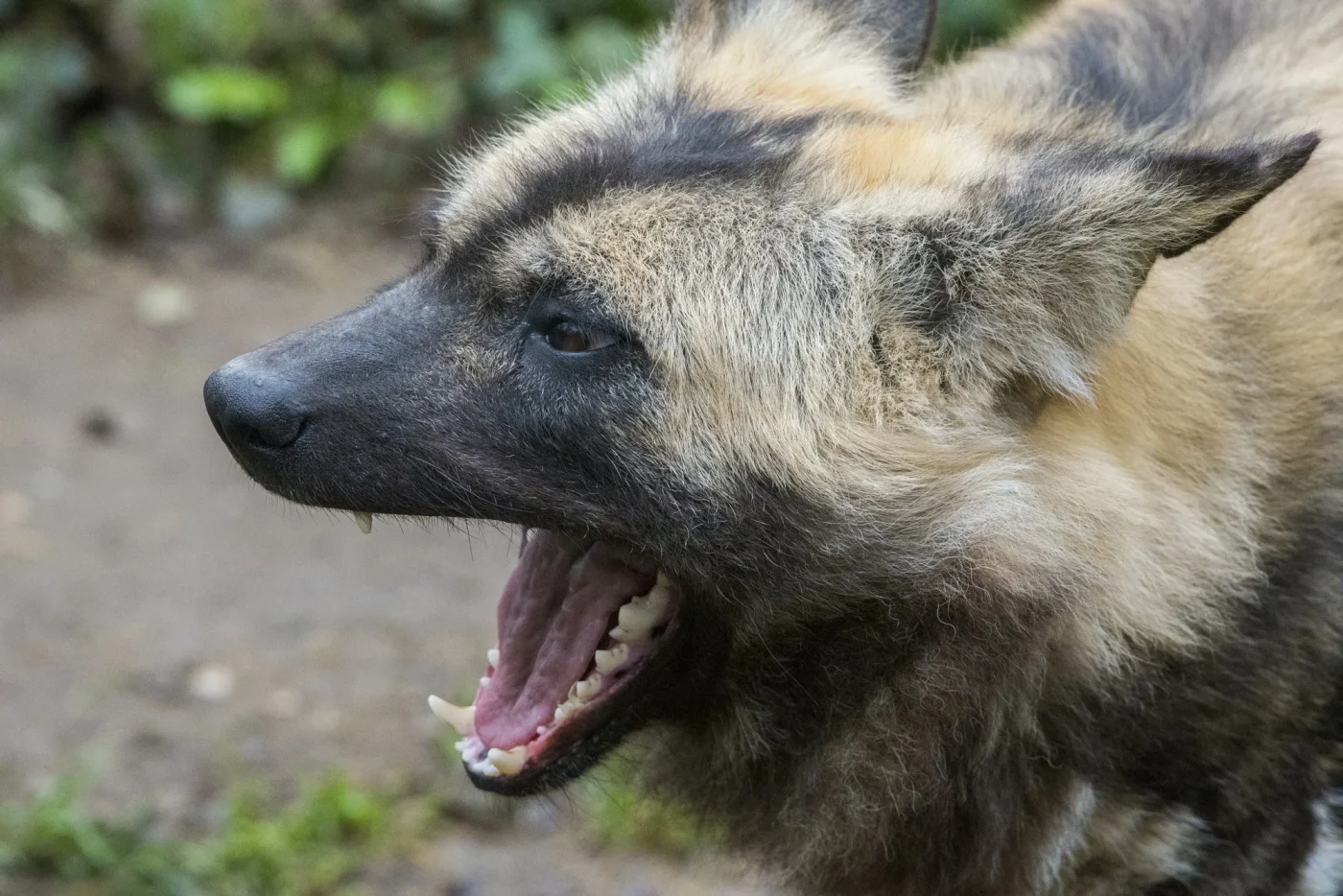
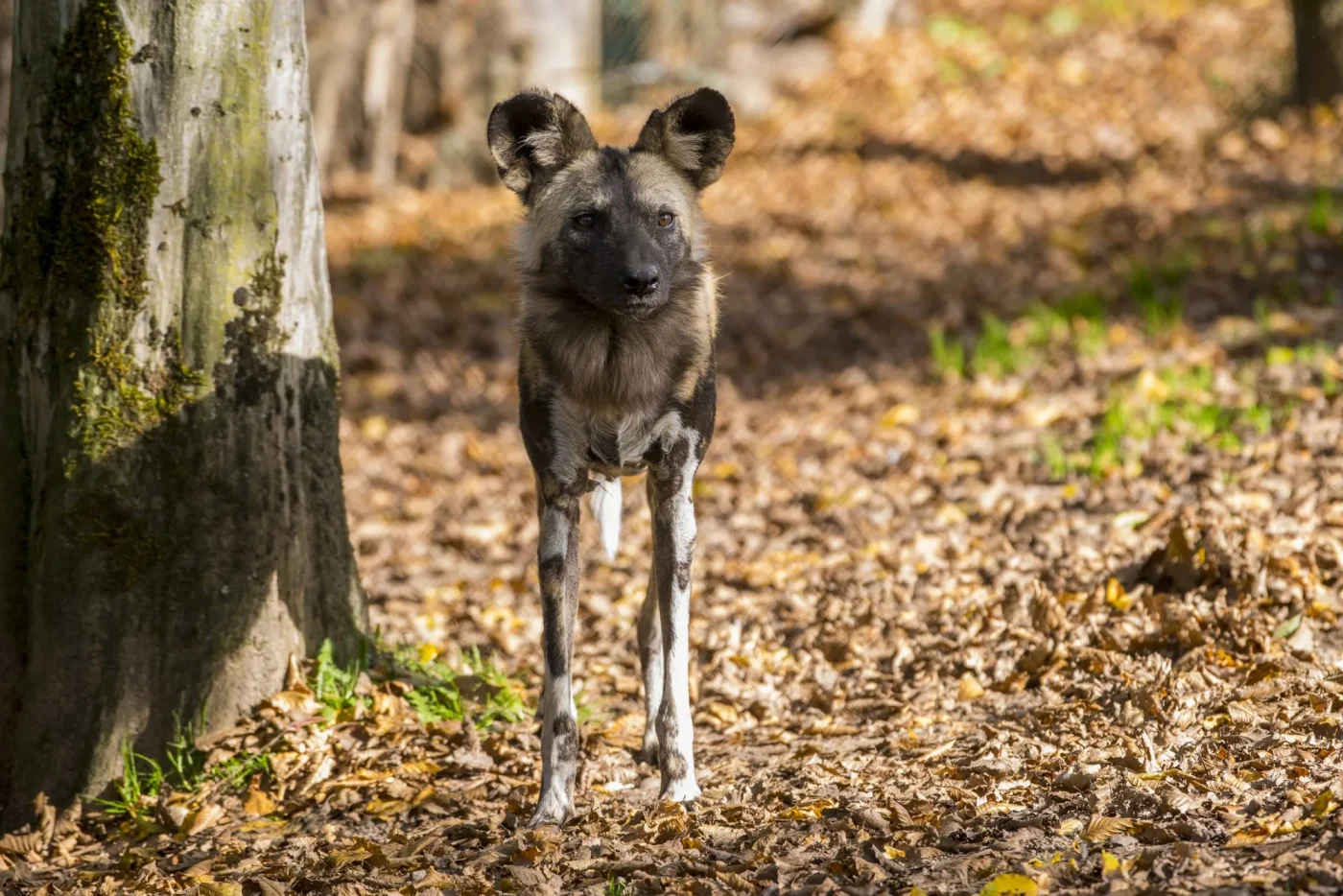
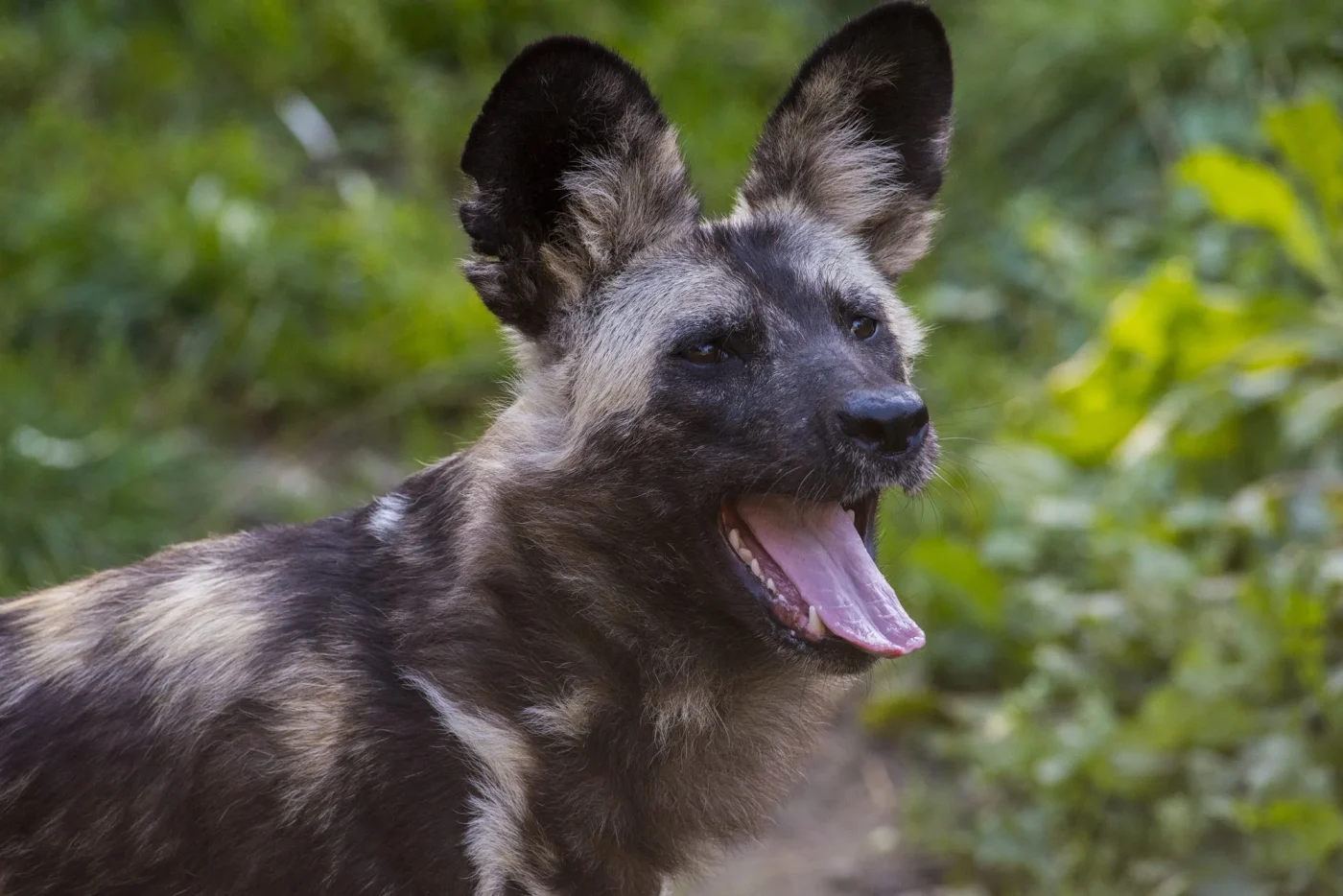
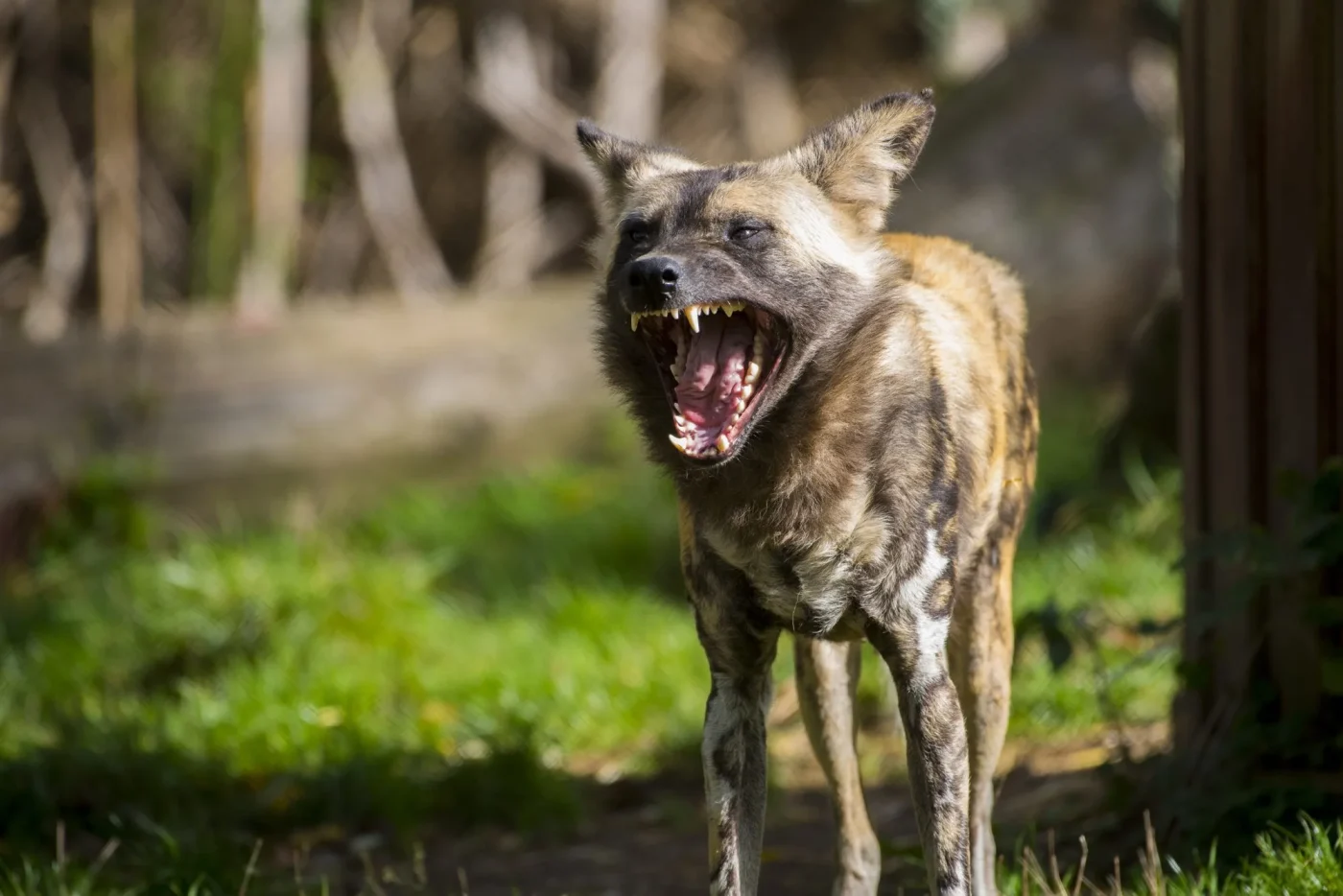
A very sociable canid native to Africa, the African wild dog lives in packs of around 30 adults or more, with the pups. Only the dominant pair reproduces. After a gestation of sixty-nine to seventy-three days, the female gives birth to 2 to 20 pups. The entire pack watches over the pups and regurgitates food for them until they are twelve months old. The pack hunts large prey such as gnus, zebras, and impalas. This dog has long legs and a slender stature, a relatively small head, large ears, and a short muzzle. It has only four toes on each paw. The coat patterns vary. The muzzle is generally black and the tip of the tail is white. Widespread throughout Africa, this wild dog exists only in scattered and fragmented populations.

Weight

20 - 35 kg

Habitat

Savanna, plain

Diet

Carnivore

Gestation

60 - 80 days

Longevity

10 years

Longevity

12-17 years

Location

In the steppes and savannas of central, sub-Saharan, and southern Africa.
Frequently Asked Questions

Where does the African wild dog live?

This mammal, known as the African wild dog, is widespread throughout almost the entire African continent. Thus, it can be found in scattered populations in the savannas and steppes of Central, Southern, and Sub-Saharan Africa.

Due to their social lifestyle and hunting strategies, African wild dogs have successfully adapted to various habitats across Africa, making them one of the most fascinating species of the animal kingdom.

Reproductive strategy

The group is dominated by a hierarchically superior pair. They can be distinguished because they mark their territory with their urine. In theory, they are the only ones allowed to reproduce (from 12-18 months). The females have litters of 2 to 20 young at a time.

What does it eat?

The African wild dog is a carnivorous animal. Hunting in packs, the wild dog mainly targets large prey such as zebras, antelopes, gazelles, impalas, or wildebeest.

Lifestyle

African wild dogs value family above all. When they return from hunting, they go as far as to regurgitate food for young, sick, injured individuals, or any individual unable to go hunting. Also, unlike wolves, there are very few conflicts within the group.

The group is dominated by the alpha pair, that is, the dominant pair of the group, which is often composed of about ten individuals. Only the alpha pair is allowed to breed. They’re also the ones who start the hunt. The pack leaves very little chance to its prey. The African wild dogs are organized and ruthless. The hunt takes place slowly and silently until the final assault, which can reach speeds of 55 km/h.

This pack life consists of up to 40 individuals (the record is 100 individuals). But more generally, groups are made up of 7 to 15 individuals. Generally, females leave the group at around two and a half years old. About half of the young males remain in the sibling group.

What are its predators?

The natural predators of the African wild dog are hyenas and lions.

What is it threatened by?

Unknown, feared and having a very bad reputation, African wild dogs have been massively slaughtered in Africa for many years. Today, there are about 3,000 individuals spread across the entire African continent, whereas there were no fewer than 100,000 individuals at the beginning of the 20th century. It was not uncommon to see packs of more than 100 individuals. They are still persecuted, trapped, hunted, or accidentally killed by vehicles. They suffer from loss of habitat and diseases (rabies, canine distemper) from domestic dogs. Their survival depends on the protection of their environment. Their movements are tracked using radio-collar transmitters.

Discover other species from the African continent: rhinoceros, snake eagle, lion, hippopotamus, gorilla, giraffe, African elephant, cheetah, caracal, meerkat, zebra, ring-tailed lemur, serval, golden eagle, white lion, gelada, ostrich, sand cat, dik-dik, grey crowned crane, red river hog, spotted hyena, rock hyrax.

Other animals to discover