Vulpes zerda

Fennec fox

Order: Carnivora / Family: Canidae / Genus: Vulpes

What is a fennec fox?

n

With a maximum size of 40 cm from the tip of the tail to the end of the snout and 18 to 22 cm at the withers, the fennec is the smallest member of the canid family. Its weight ranges from 800 grams to 1.5 kg. There does not seem to be sexual dimorphism in this species.

n

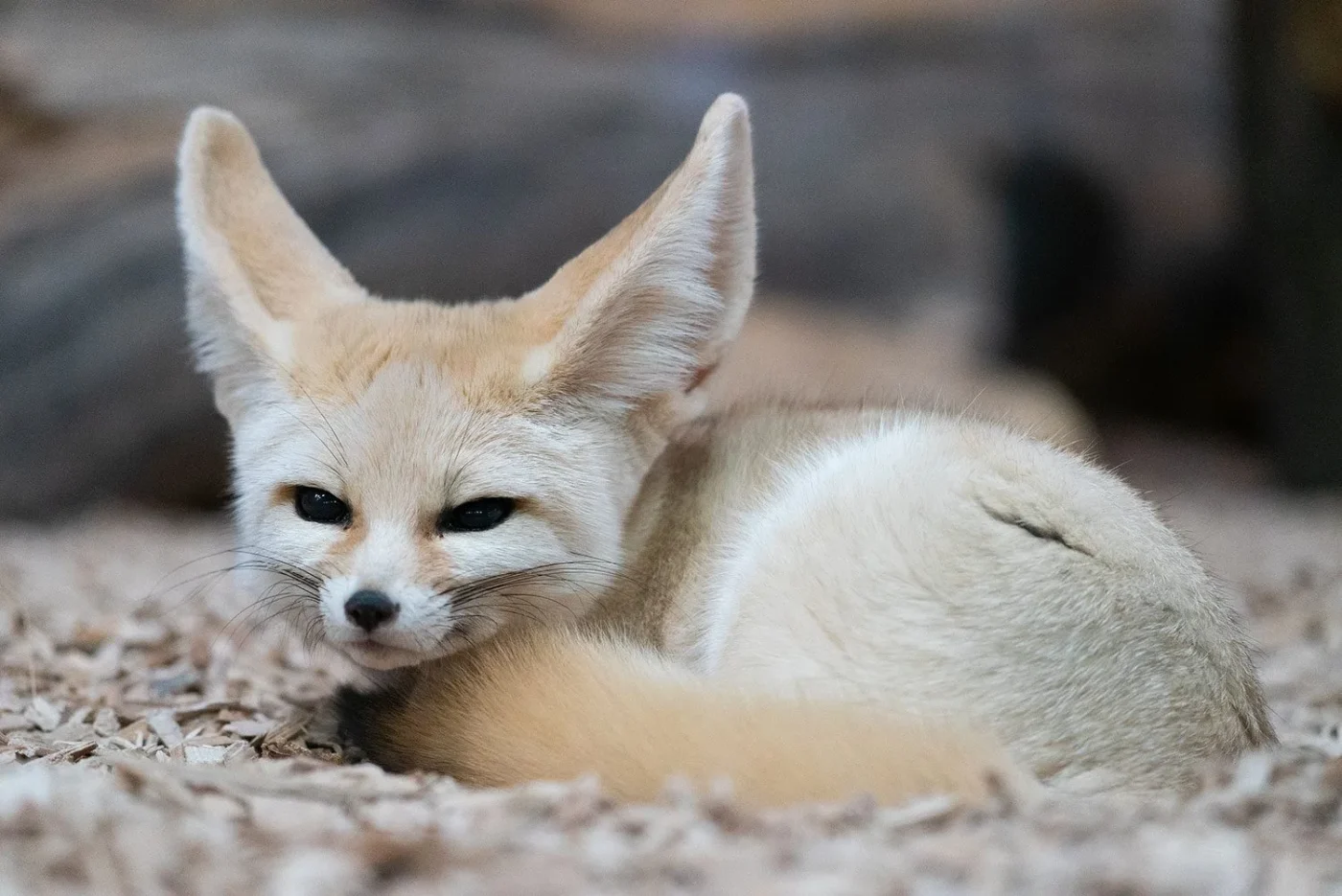
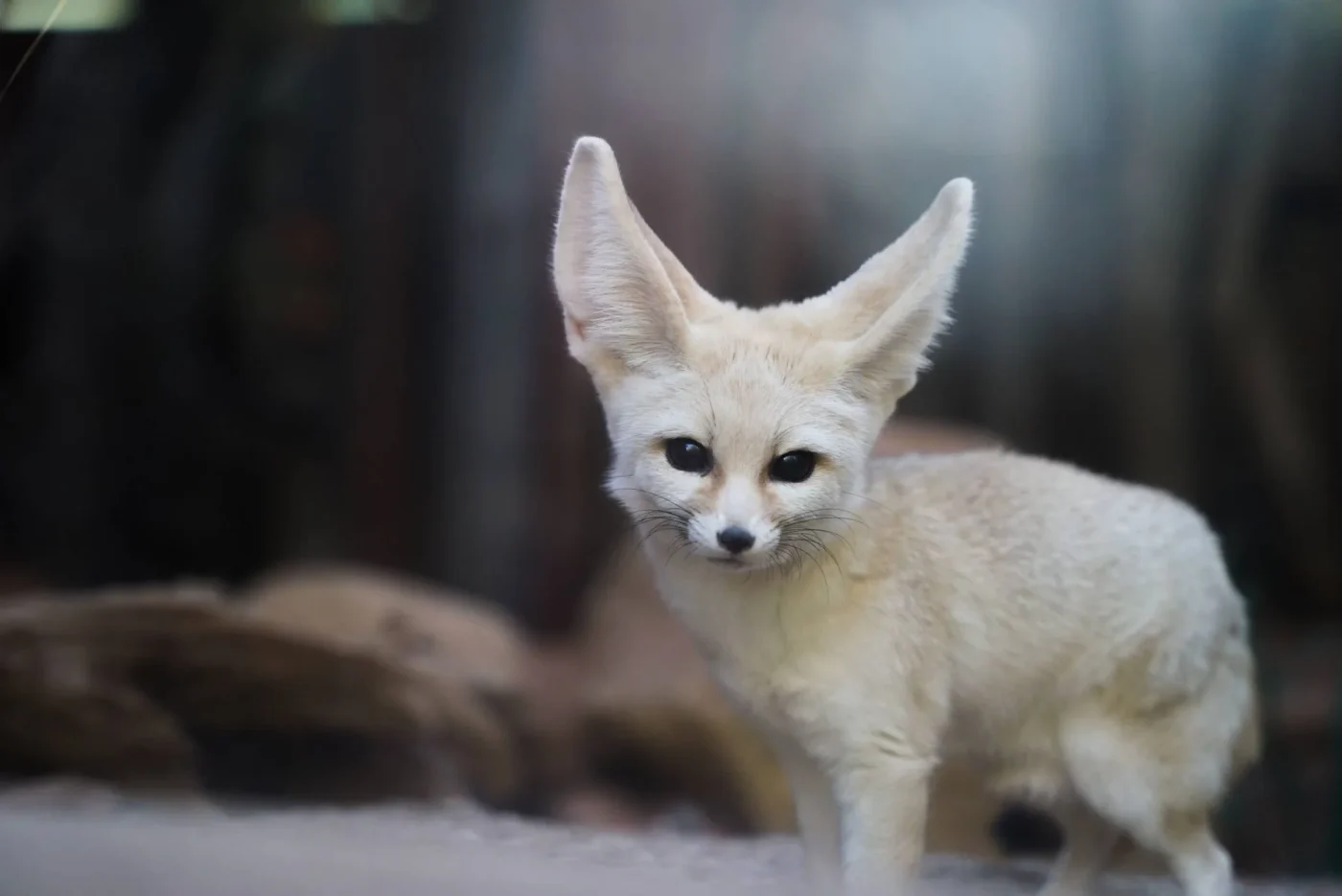
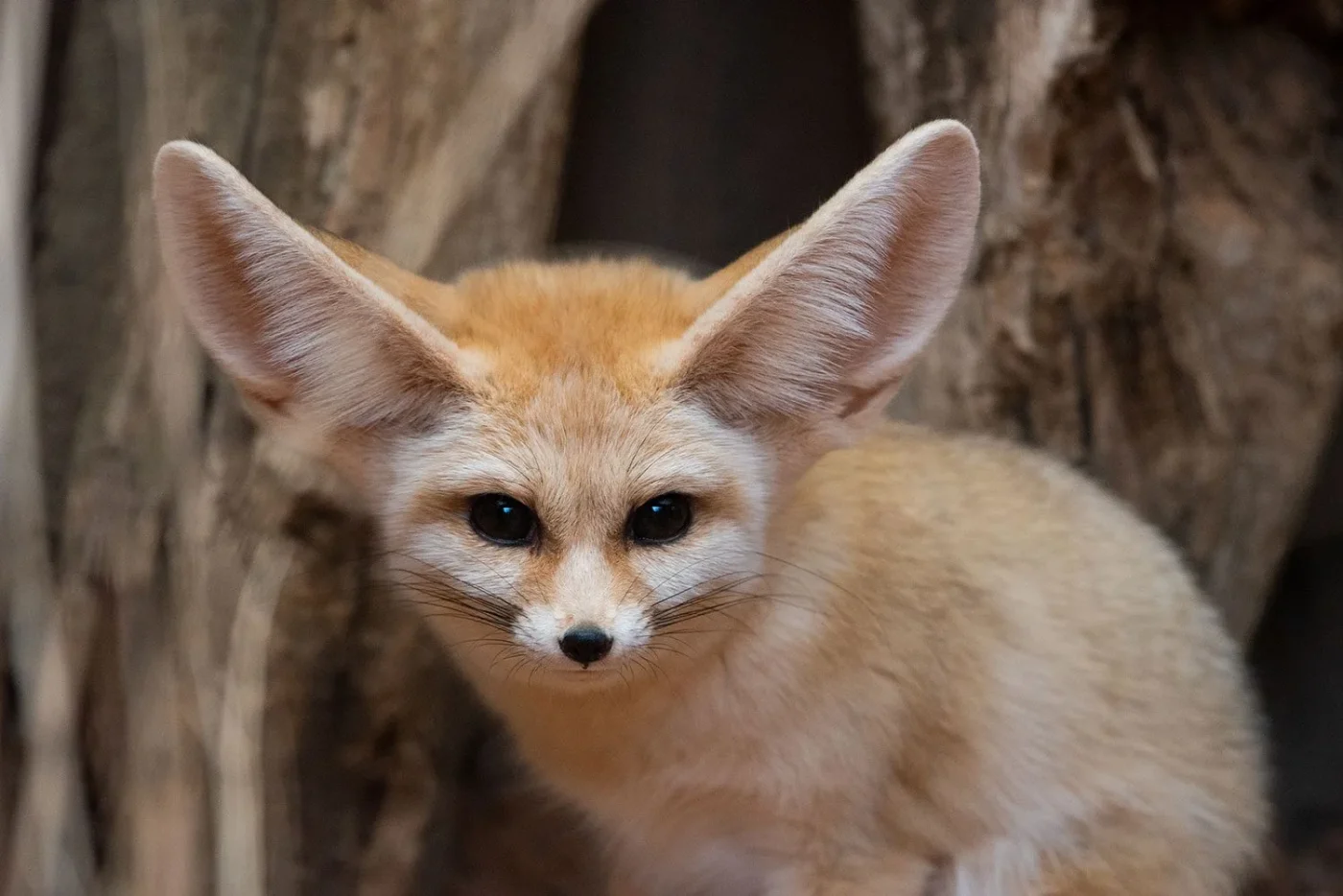
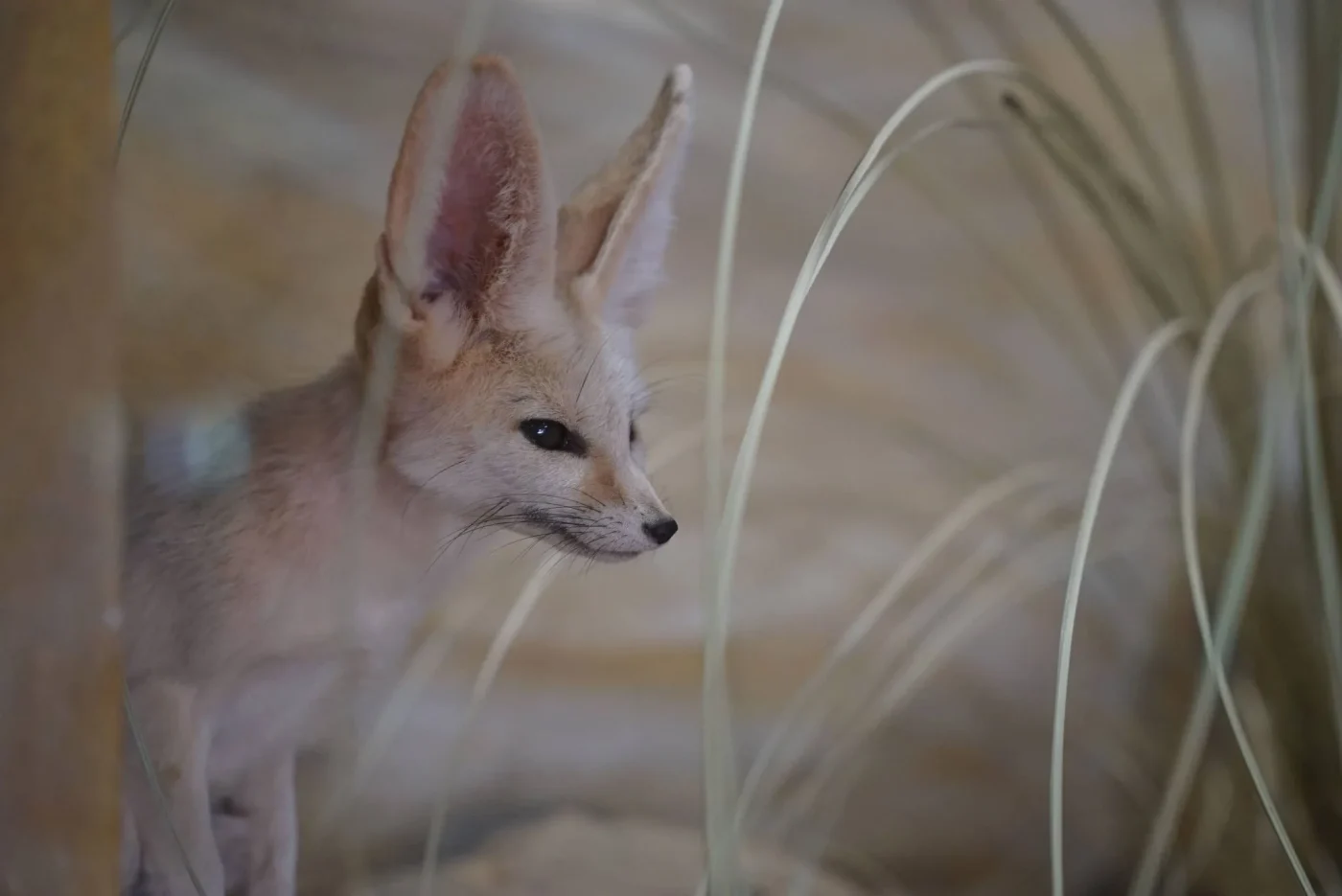
The fennec can be easily recognized by its large ears measuring 15 cm in height. Like African elephants, its gigantic ears allow it to cool its body through heat loss. Since the skin is very thin, the blood that circulates through them is cooled and sent back into the animal’s body, helping to lower its temperature. Its fur shows a fawn color on the back and white on the belly, face, and legs. The tip of the tail is dark brown. Its hair reflects the sun’s rays during the day and insulates it from the cold at night. The pups, on the other hand, have completely white fur. The feet are covered with hair, which protects the soles from the scorching sand. The fennec’s eyes are black, as are the whiskers.

nfennec distribution

Weight

1-2 kg

Habitat

Desert and semi-desert area

Diet

Carnivore

Gestation

50-53 days

Longevity

10 years

Longevity

12-17 years

Location

East of Mauritania to west of Egypt
Frequently Asked Questions

Where does the fennec fox live?

The fennec’s range, also known as the desert fox (vulpes zerda), stretches from Mauritania in the east to Egypt in the west. Most of the population of this genus and species of canids lives in the Sahara Desert, but some individuals can be found in the mountainous regions of Morocco. It may also be present in the Arabian Peninsula, but very often, sightings are confused with other canids, especially foxes. This species is specialized in dry, hot, and sandy environments, and its conservation has become a minor concern despite its status within the IUCN.

Breeding strategy

Contrary to what one might think, the fennec lives in a family group of up to 10 individuals with a breeding pair. The breeding season takes place in winter, between January and February. The pair is monogamous, meaning they are bonded for life. It is through the network of tunnels, which serves as a refuge during the day, that the female gives birth to 2 to 6 young after a gestation period of about 50 days. They are born underdeveloped, blind, and weigh only 50 grams. It is after 10 days that they barely start to open their eyes. The pair takes care of the young together and vigorously defends their young as well as their territory. They mark out the latter by depositing urine and feces. The male is responsible for providing for the family. The young start coming out of the den at around 5 weeks old. The young are weaned late, at about 3 months. The young reach their adult size and sexual maturity between 6 and 9 months.

What does he eat?

The fennec is mainly nocturnal. Even though it lives in a group, it prefers to hunt alone. Its large ears give it excellent hearing and allow it to hear the slightest sound made by prey, even buried under the sand. The down on its pads makes the fennec’s movements silent; it can make a jump of up to 60 cm to catch its prey. Living in desert areas, the fennec consumes whatever is available: birds, rodents, insects, eggs, as well as small reptiles. Fruits, leaves, and roots are an important part of its diet, especially since these foods provide all the water the fennec needs to live. The fennec is so well adapted to the desert environment that it does not need to drink. Its water intake is therefore through its diet. It has a renal system that concentrates urine, which makes it possible to maximize waste elimination while minimizing water loss.

Way of life

Fennec foxes are social animals that live in family groups of up to 10 individuals. The groups are made up of a breeding pair, young of the year, and older young. Territorial marking is done with droppings and urine.

Fennec foxes have a wide range of vocalizations: whining, growling, and screaming. These are agile canids that can make jumps of over 1 meter in length.

Fennec foxes are more active at night to avoid the hottest temperatures of the day. Therefore, they dig burrows made up of several entrances/exits as well as many tunnels. They like to dig their burrow near vegetation to hide the entrance and to ensure better stability thanks to their roots. These same plants are used to line the bottom of the den. The fennec spends a large part of its day sleeping sheltered from the heat in its burrow.

What are its predators?

The predators of the fennec are birds of prey as well as caracals.

What threatens it?

The fennec is not particularly threatened. It is classified as “Least Concern” on the International Union for Conservation of Nature’s Red List. However, the fennec is hunted for its fur or captured to supply the pet trade. In Morocco and Tunisia, some individuals are taken to pose with tourists. The species is nevertheless protected in Morocco, Tunisia, and Egypt.

The increase in road traffic can also pose a problem, especially for individuals in the Sahara who are not afraid of vehicles. Human activities such as drilling or the general creation of infrastructure can also affect the species.

Discover other species from the African continent: rhinoceros, serpent eagle, African wild dog, lion, hippopotamus, gorilla, giraffe, African elephant, cheetah, caracal, meerkat, zebra, ring-tailed lemur, serval, golden eagle, white lion, gelada, ostrich, sand cat, dik-dik, flamingo, banded mongoose, spotted hyena, ball python.

Other animals to discover