What is a puma?
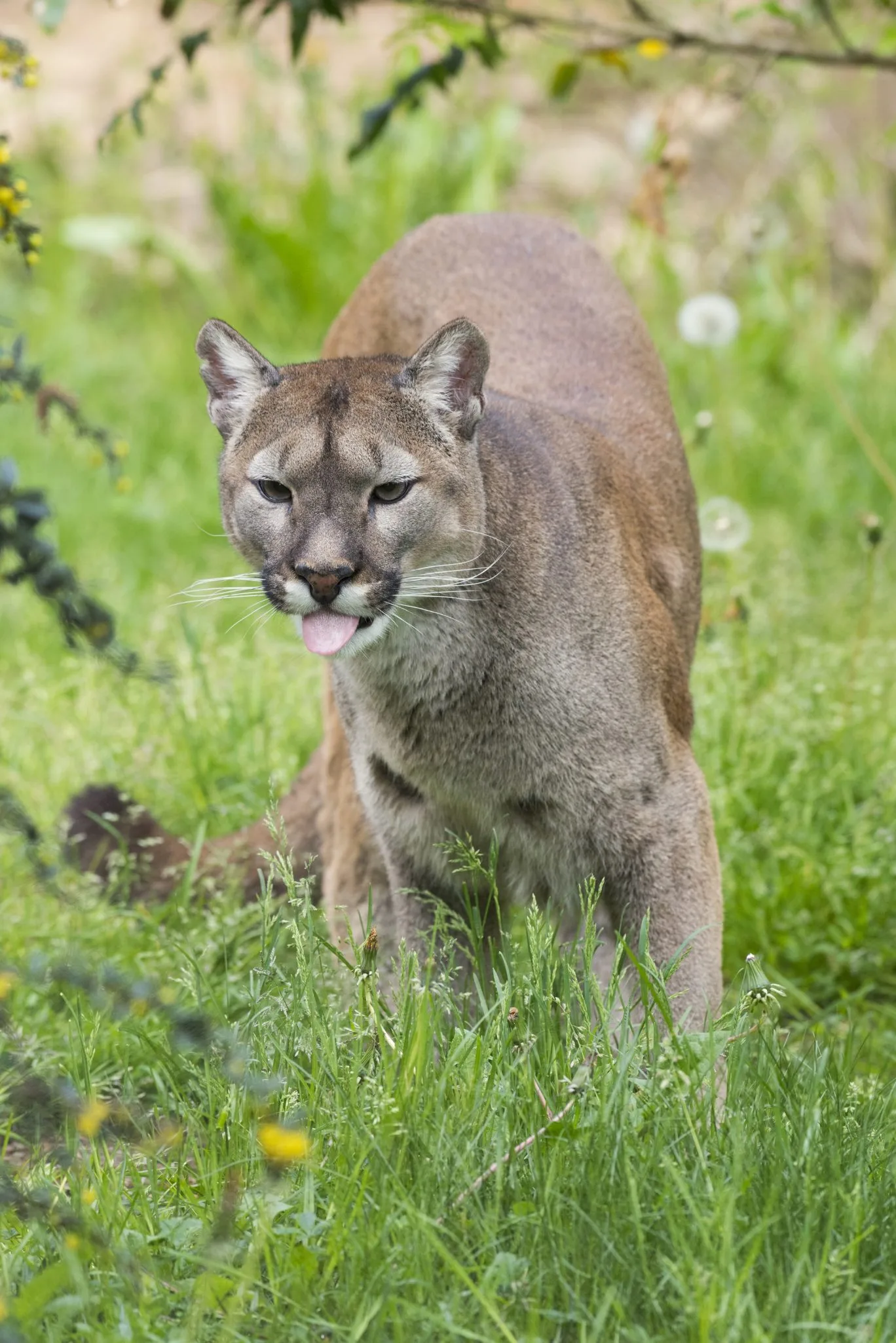
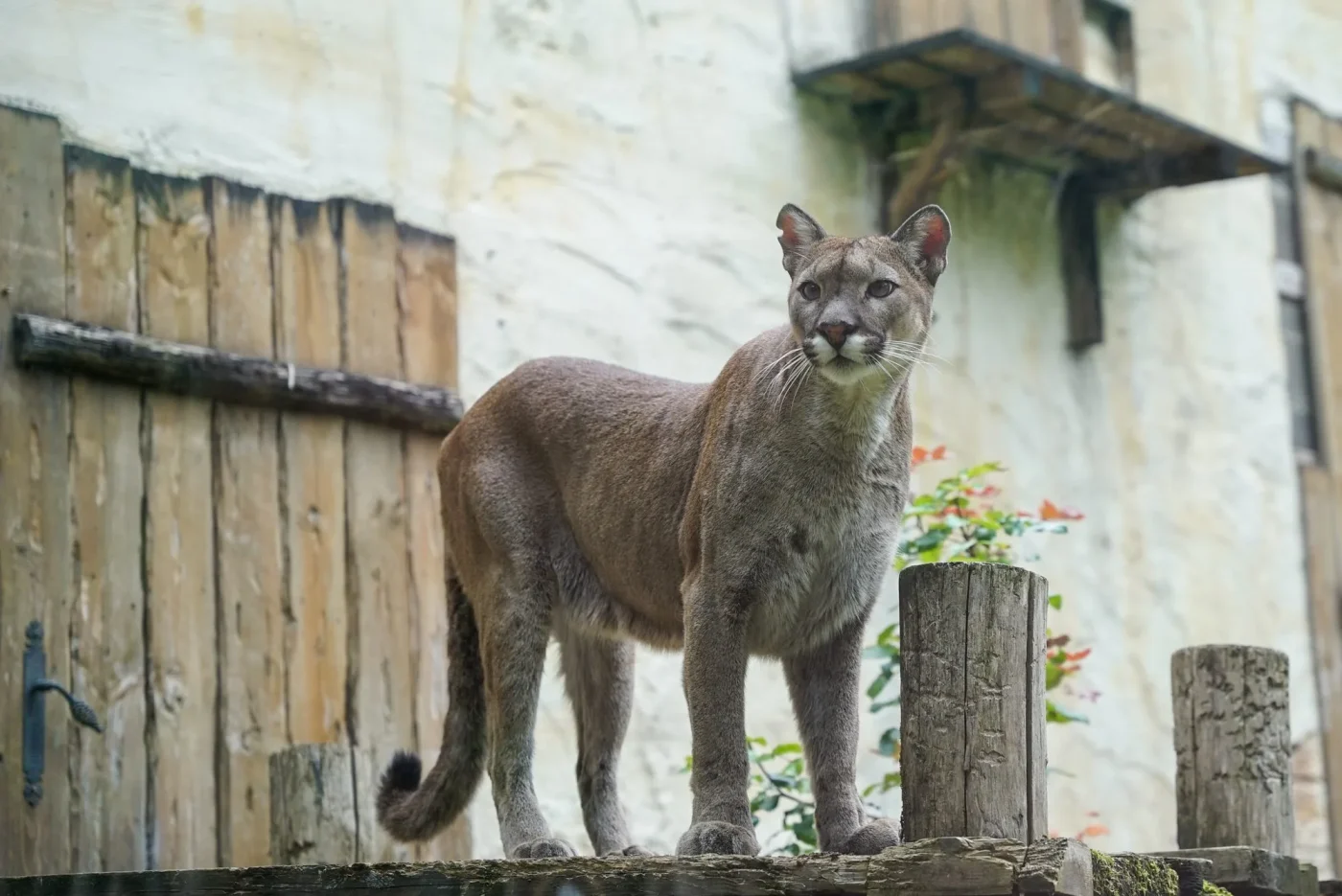
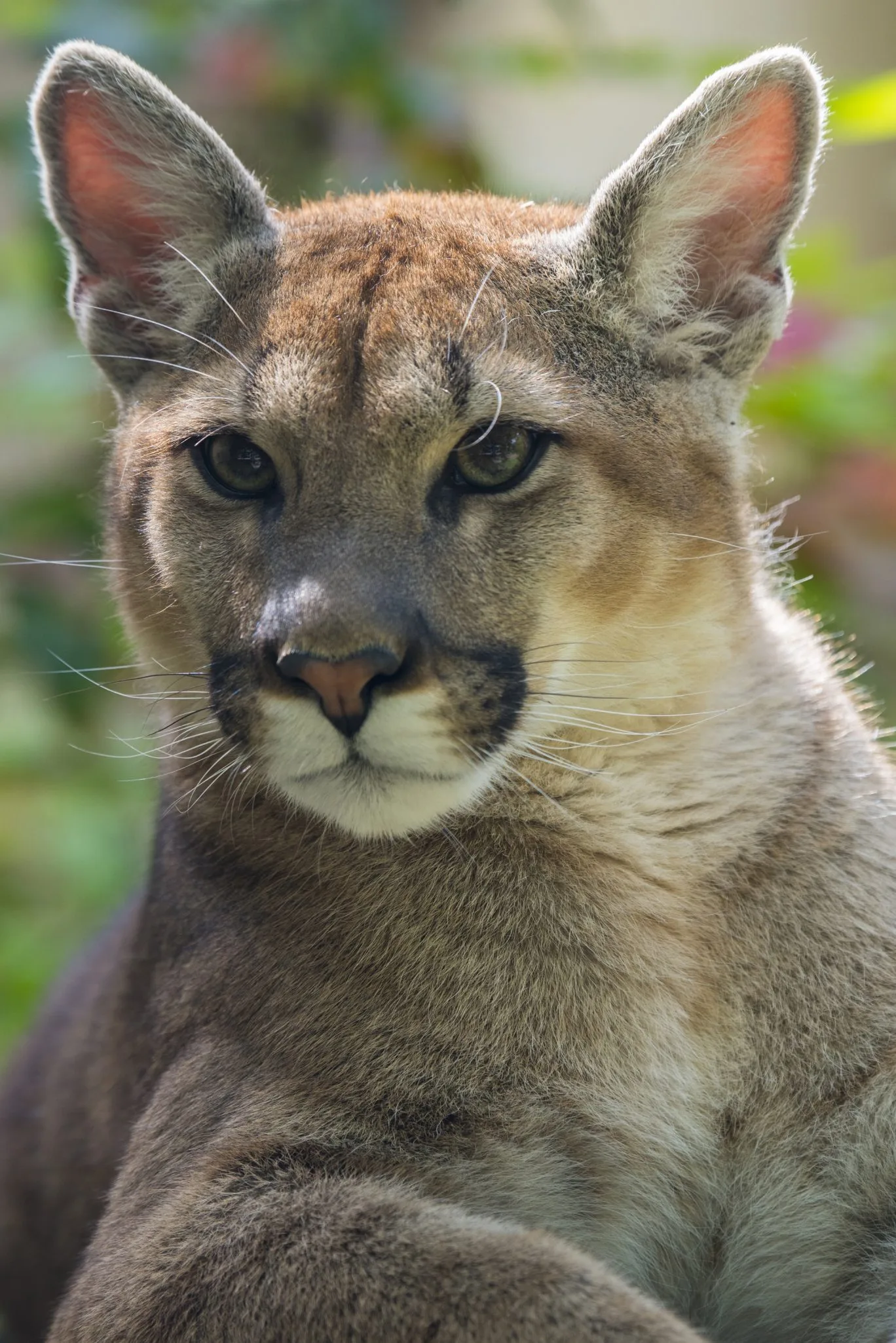
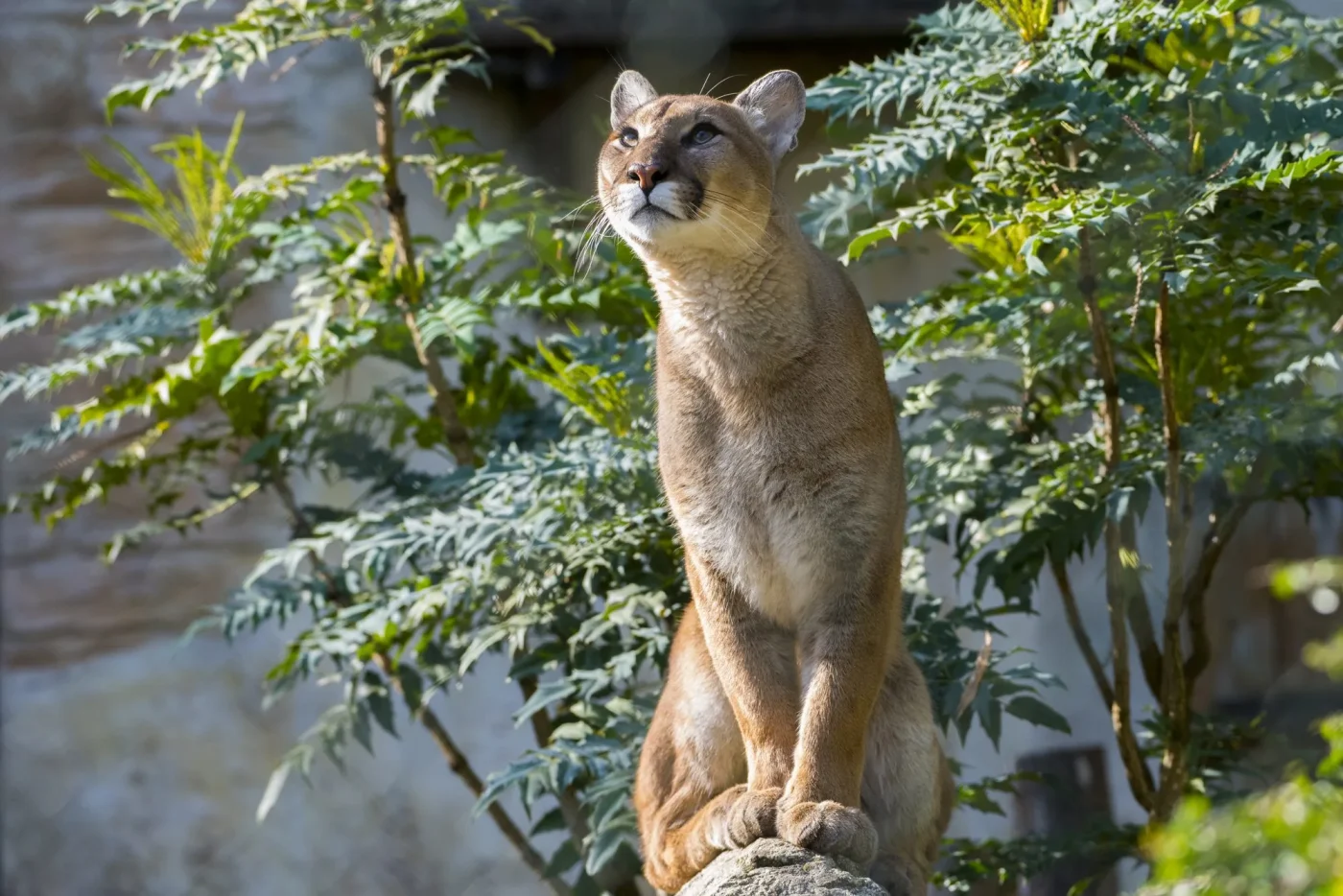
These felines are identified by their short fur, which is either brownish-yellow or brownish-gray. Generally, the male is larger than the female and can reach up to 120 kg, while the females only reach 64 kg. Very agile, it can make impressive jumps, over 5 meters high and 8 meters long. This is possible thanks to its hind legs, which are much longer than its front legs.
Cougar, mountain lion, … The puma holds the record for the animal with the greatest number of different names in the world, validated by the Guinness World Records! Even within a single language, the puma can have many names: more than a dozen in French alone, and nearly 40 in English! But why so many different names? It’s because the puma is the feline with the largest range. In fact, puma populations can be found from Canada in North America all the way to the tip of Chile in South America. And within its territory lives a great diversity of people who use many different languages.
Where does the puma live?
Historically, the geographic range of the puma extended across the entire American continent, from Alaska to the southern tip of Argentina. It is an animal that easily adapts to its environment, and can be found in a wide variety of habitats such as coniferous mountain forests, desert areas, marshes, or tropical forests. Due to the significant destruction of their habitat and intensive hunting, puma populations have retreated to sparsely populated mountainous regions. However, in recent years, many pumas have been observed slowly approaching urban areas again. It is the feline with the largest range in the world.
What does it eat?
They are carnivores that mainly hunt ungulates such as elk, deer, or caribou, which they stalk before leaping onto their backs and breaking their necks with a powerful bite at the base of the skull. Once its prey is dead, it drags and hides it under leaves or debris to feed on in the following days. However, it is also capable of hunting small prey such as rodents, birds, or fish. Over the course of a year, it is able to consume up to 13,000 kg of prey, which is about 48 ungulates per year. It thus allows for effective regulation of herbivore populations.
Reproduction strategy
The male has a territory that encompasses that of several females with whom he mates. There is no seasonality for reproduction; females can be in heat at any time of the year. After a gestation period of about 3 months, the female gives birth to 1 to 6 young that weigh between 226 and 453 grams, and they are weaned as early as 40 days. At birth the young are spotted with dark points which provide better camouflage, and these spots will start to disappear after 3 to 4 months. They stay with their mother for about 26 months, during which time they gradually separate from her by starting to hunt on their own for several days. Males can disperse more than 270 kilometers from their birthplace. Sexual maturity is reached at around 3 years of age.
Behavior
Despite its size, the puma does not roar like lions… It makes a meowing sound like cats! It can also whine or purr depending on the circumstance, for example to express satisfaction but also anxiety. As in many other felines, this sound is mainly used between a mother and her young.
Pumas are solitary and mark their territories using different markings. There are olfactory markings made with urine and feces, as well as visual markings, which are scratches on tree trunks. The territories of males are larger than those of females.
What are its predators?
Being fairly high in the food chain, only other carnivores such as wolves or bears can attack sick or juvenile pumas.
What threatens it?
The puma is a rather discreet animal, avoiding contact with humans; its presence allows for effective regulation of herbivore populations. However, its habitat is shrinking day by day and it is still regularly killed either as hunting trophies or due to conflicts between humans and predators over livestock. Able to adapt easily to many changes in its environment, puma populations remain significant, so it is therefore not considered a threatened species.